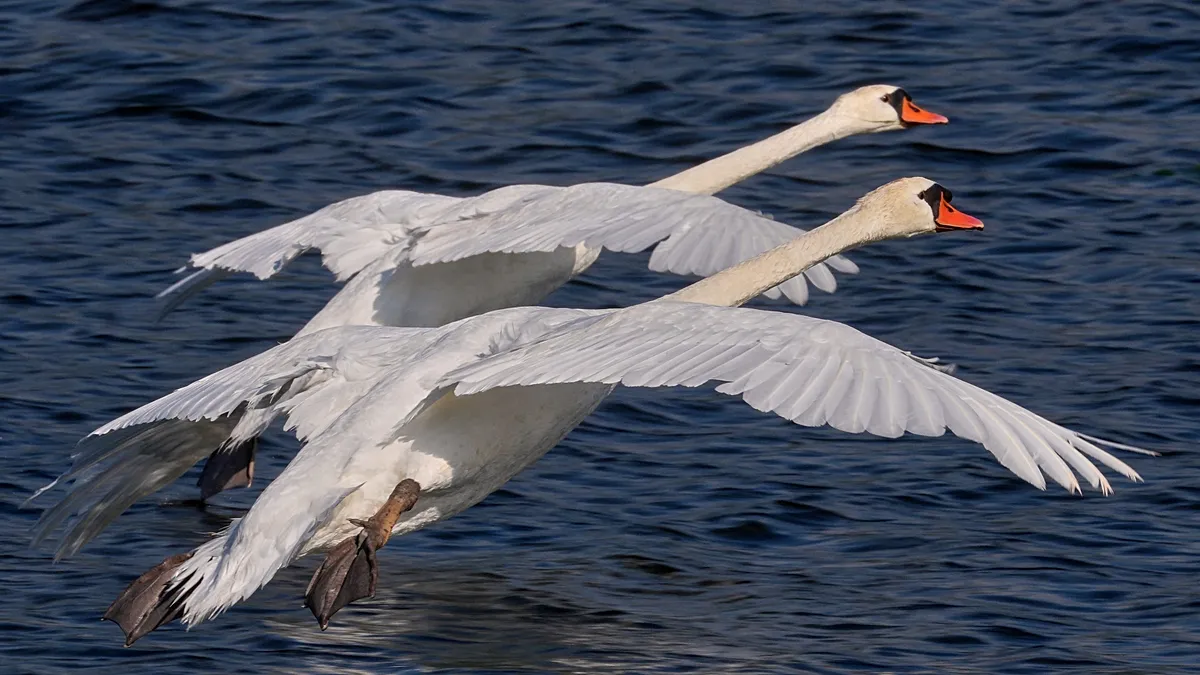
Fabricated AI Animal Videos Are Distorting Wildlife Perception
Usagevpn.com – Fabricated AI animal videos are distorting public understanding of wildlife, according to new research that warns these digital creations could undermine conservation efforts worldwide. A comprehensive study published in Conservation Biology reveals that generative AI tools now produce remarkably convincing wildlife footage that never actually occurred. Researchers from the University of Cordoba caution that this phenomenon is reshaping how audiences perceive animal behaviour, often in misleading ways.
The research team, comprising José Guerrero-Casado, Tamara Murillo-Jiménez, Antonio Carpio, Francisco Tortosa and Rocío Serrano-Rodríguez, documented numerous examples of AI-generated content that presents fictional scenarios as genuine wildlife observations. These fabricated videos and photographs are increasingly influencing public opinion about conservation priorities and species relationships.
How AI Creations Mislead the Public
One particularly viral example involves AI-generated footage depicting various bird species sheltering their chicks from rainfall, accompanied by captions celebrating “true mother love.” This framing overlooks a crucial biological fact: in 90% of bird species, males actively participate in raising offspring. Furthermore, many reptiles, amphibians and fish provide no parental care whatsoever, yet AI videos frequently portray universal nurturing behaviours across all animal classes.
The researchers also identified invented interactions between species, including fabricated scenes showing predators and prey, or parasites and hosts, displaying implausible affection toward one another. Additionally, videos featuring fictional bonds between humans and wild animals have proliferated, such as one clip showing a polar bear being rescued by fishers and reacting with exaggerated gratitude.
“Fabricated AI animal videos are distorting not only public perception but potentially the scientific data we rely on to understand species distribution and behaviour,” the researchers noted in their findings.
These unrealistic portrayals risk creating a false sense of security around wild animals and may encourage increased demand for exotic pets, thereby fuelling the illegal wildlife trade. The researchers further anticipate that AI-generated content will skew toward mammals, since these species already tend to perform best on social media platforms. This preference could reinforce existing funding imbalances, with conservation projects for less popular animal groups losing critical support.
Impact on Science and Tourism
Beyond public perception, the study highlights concerns about fake, location-tagged wildlife footage potentially driving tourists to sites where the featured animal was never actually present, adding unnecessary pressure on fragile ecosystems. The research acknowledges that global regulation of AI content remains unlikely in the near term, instead calling for wider media literacy education to help audiences critically evaluate what they encounter online.
The findings align with a separate warning issued by researchers writing in Nature Ecology and Evolution, who argue that AI-manipulated photographs, audio and video submitted to citizen-science platforms could contaminate the datasets researchers depend upon to track species occurrence and behavioural patterns. Such contamination might ultimately lead to flawed ecological conclusions affecting conservation strategies worldwide.
The researchers emphasize that over-enhancement represents the more common problem rather than outright fabrication. Modern editing tools can strip out or alter the physical features used to identify a species, sometimes resulting in complete misidentification. They cite a documented case where a photograph believed to show a red-winged blackbird, a North American species never previously recorded in Brazil, was submitted to iNaturalist as a potential first sighting.
In reality, the bird was an epaulet oriole, a species common to the region. The image had been “rebuilt” using Google’s AI image editor, which added markings resembling the North American bird, likely reflecting that species’ heavier representation in the tool’s training data. The researchers stress that the contributor had no intention of misleading anyone.
Their goal was purely cosmetic: creating a better-looking picture. The team successfully replicated the same mistake independently using AI editing tools, demonstrating how easily this error can occur. They conclude that contributors urgently need to understand how much damage this kind of editing can do to scientific data, as fabricated AI animal videos are distorting both public understanding and research accuracy in wildlife conservation efforts globally.