Scotland pauses major AI data centre decisions as national rules are prepared
Usagevpn.com – Scotland is set to pause approvals for new hyperscale artificial intelligence data centres for as long as a year, following a parliamentary decision intended to give ministers time to establish nationwide planning guidance.
The measure reflects growing unease about the environmental and community effects of the enormous computing facilities needed to support the rapid expansion of AI. Lawmakers said planning and consenting decisions for hyperscale data centre applications should not proceed before the Scottish government publishes its new national framework, due within 12 months.
The pause does not permanently prevent the construction of data centres. Instead, it creates a temporary gap in decision-making while the government defines clearer standards for projects that can require exceptionally large supplies of electricity, land and water.
What makes a hyperscale data centre different?
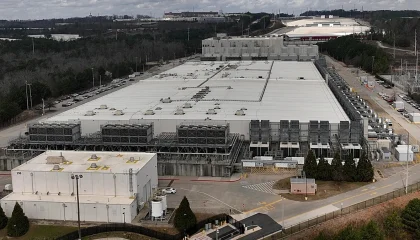
Hyperscale data centres sit at the largest end of the digital infrastructure market. They are built to deliver substantial processing capacity, often for cloud computing, AI model training and the day-to-day operation of AI systems. Such sites commonly require tens of megawatts of power or more.
For readers, that scale matters because AI is not only software running on a phone or laptop. Behind many AI services are vast networks of servers, cooling systems and electricity connections. As demand for AI tools rises, companies are investing heavily in the physical infrastructure required to process growing volumes of data.
Scotland has become a focal point for proposed development linked to that expansion. More than 20 large data centre projects have been put forward. One proposal in Fife, in eastern Scotland, has been described as potentially becoming the world’s second-largest facility of its kind.
Those plans have brought an economic question into direct contact with environmental and local planning concerns. Data centres can support technology investment and computing capacity, but large projects may also place significant additional demand on electricity networks and water supplies.
Pressure on energy, water and climate goals
Concerns over the projects centre on whether Scotland’s energy grid can accommodate a rapid rise in demand while the country also pursues wider climate commitments. Communities near proposed sites have raised questions about local impacts, while campaigners have called for more consistent national rules before major developments move ahead.
The Scottish government has already introduced a requirement for environmental impact assessments for every new data centre with a capacity above 50 MW. That threshold captures projects whose potential effects require more detailed examination before they can progress.
Environmental assessments can help identify consequences for energy use, water consumption, emissions and nearby areas. The parliamentary pause adds another layer by seeking a national approach to how the largest AI-related facilities are assessed and planned.
The policy debate is not limited to whether data centres should be built. It also concerns where they are located, how they connect to power networks, what environmental safeguards they must meet and how communities are involved before decisions are made.
Communities demand clearer standards
Calls for a halt to new approvals had intensified in recent weeks. Earlier this month, hundreds of people demonstrated outside the Scottish Parliament, urging ministers to stop new schemes until national planning standards are in place and the government establishes what qualifies as a “green” data centre.
Kat Jones, director of the environmental organisation Action to Protect Rural Scotland, described the vote as an important moment for residents worried about developments proposed near them.
“There’s much still to be done, but this is a huge step forward,” she said.
The decision gives the Scottish government a defined timetable. Ministers have been asked to provide an update on the creation of national planning guidance by the end of 2026, with the complete guidance to be published within 12 months.
That work will be closely watched by technology companies, local authorities, campaign groups and communities affected by proposed sites. The eventual rules could influence how Scotland weighs the potential economic gains from AI infrastructure against the costs and constraints associated with very large facilities.
A wider challenge for governments
Scotland’s move highlights a broader policy challenge emerging wherever AI investment is accelerating. Governments want to attract digital infrastructure, new business activity and technological development, yet they must also manage pressure on power systems, water resources and emissions targets.
AI data centres can be essential to the computing services used by businesses and consumers, but their rapid growth raises practical questions that cannot be addressed by technology policy alone. Energy planning, environmental regulation, land use and public confidence all play a role.
The temporary pause creates space for Scotland to decide how it wants such projects to fit within its national priorities. For supporters of the measure, the central aim is to ensure that future decisions are guided by consistent standards rather than being handled case by case without a settled national framework.
For developers, the coming year will bring uncertainty over the timing of new approvals. For communities and environmental groups, it offers an opportunity to press for rules that address the demands of AI infrastructure before further hyperscale projects are allowed to advance.
Related Reading
Frequently Asked Questions
What is Scotland halts new hyperscale AI data?
Scotland halts new hyperscale AI data is the main topic of this guide. The article explains the context, practical details, and next steps readers should understand.
Why does Scotland halts new hyperscale AI data matter?
Scotland halts new hyperscale AI data matters because readers are looking for a useful answer, not just a short summary. Good content should match search intent and help them decide what to do next.