Trump adviser says White House is seeking a rapid end to Middle East war
Usagevpn.com – US President Donald Trump believes the current war across the Middle East can be brought to an end in the near future and is actively pursuing that goal, senior adviser Massad Boulos has said.
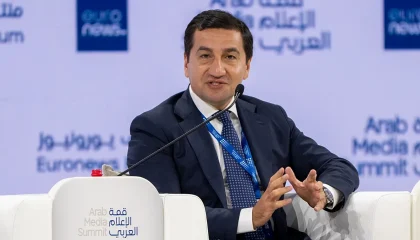
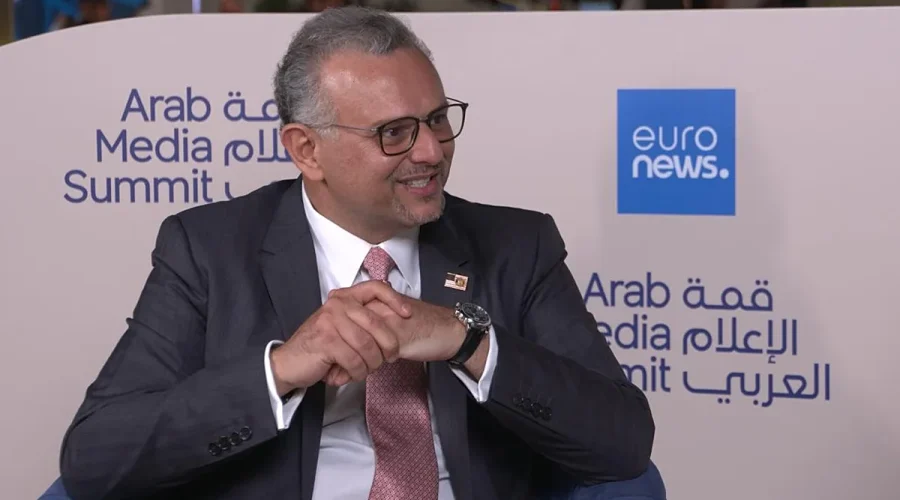
Speaking in Dubai during the Arab Media Summit, Boulos said Trump was personally focused on ending the conflict but would not provide a date or a public timetable for a settlement. He said the decision over timing would rest with the president.
“The president believes that it’s going to end soon, and he’s determined to make it end. And he’s working towards that.”
Boulos, who advises Trump on Arab and Middle Eastern affairs, portrayed the president as determined to follow through on his objectives. He argued that Trump had delivered on commitments made during campaigns and in office, while declining to specify the immediate diplomatic or military steps that could end the war.
“That will be for the president to determine,” Boulos said when asked when an end could come. “But we are very hopeful, and we are absolutely solidly behind him and behind his leadership.”
Nuclear issue remains central
The adviser identified Iran’s nuclear programme as the key issue that must be addressed before the conflict can be resolved. He repeated the administration’s position that Tehran must not be allowed to acquire a nuclear weapon.
“Somebody had to tackle and had to address this nuclear issue,” Boulos said. “As President Trump has said repeatedly, there is no way we can allow Iran to have a nuclear weapon.”
He urged people to consider the possible consequences of a nuclear-armed Iran for the wider region, describing the prospect as unacceptable. At the same time, he said Trump was leaving room for negotiations and discussions, characterising the president as patient but firm.
“He’s giving negotiations and talks a chance. He’s been extremely patient. And we hope that ultimately peace will prevail.”
Boulos said regional partners supported Trump’s approach and shared an interest in preventing further escalation. “Nobody wants war,” he said, while maintaining that the nuclear question could not be set aside.
Claims of previous conflict resolution
Describing Trump as “the president of peace,” Boulos said the US leader had already resolved eight conflicts and wars and was now working on a ninth and tenth. He did not name the conflicts included in that count or offer further details to support it.
He also cited tensions between Pakistan and India, saying Trump’s intervention had potentially prevented a far larger loss of life.
“If you look at the Pakistan-India conflict, just talk to them and they will tell you that what President Trump was able to achieve saved them at least probably 4 or 5 million lives.”
Boulos did not explain how that casualty estimate had been calculated. His remarks reflected the administration’s effort to present diplomacy, pressure and regional partnerships as complementary parts of its approach to the present war.
Abraham Accords expansion seen after fighting
Boulos said a wider peace agenda, including possible additions to the Abraham Accords, could resume once the conflict is settled. Four agreements were signed during Trump’s first term, and he said additional countries had been prepared to join before the 2020 election interrupted the process.
“If it wasn’t for the re-election campaign, there were many more that were ready, lined up and ready to sign the Abraham Accords,” he said.
For Boulos, ending the present war is therefore connected not only to an immediate ceasefire or de-escalation, but also to reviving broader diplomatic initiatives. He said the administration wanted the issue addressed quickly so it could return to its peace plans.
The comments come as Gulf countries, including the United Arab Emirates and Qatar, have questioned whether existing security arrangements provide sufficient protection amid rising regional instability. Boulos insisted that Washington’s relationships with its Middle Eastern partners remain strong.
He named Saudi Arabia, Egypt and Jordan alongside the UAE and Qatar, calling them genuine allies and saying Trump had close personal ties with regional leaders. He added that coordination was taking place across several levels of the US administration.
“These are true partners. They are true allies,” Boulos said. “There are coordination’s happening at all sorts of different levels and departments within our administration.”
Appeal to social conservatism
Boulos also discussed public attitudes toward Trump in the region. He said his experience working with Christian, Muslim and other communities in the United States during Trump’s campaign had informed his view that the president appeals to many people in the Middle East.
He linked that appeal to family values and socially conservative views, arguing that these principles are deeply rooted in many Middle Eastern societies. Boulos said Trump’s opposition to what he called “woke ideology” had found support among Middle Eastern communities.
“I travel all over the Middle East and I meet with Middle Eastern leaders and with the people of the Middle East. They all love President Trump,” he said.
Sudan described as urgent humanitarian priority
Beyond the war involving Iran, Boulos identified Sudan as the administration’s most urgent humanitarian concern. He called it the world’s largest humanitarian catastrophe and said Trump also wanted the war there to end as soon as possible.
Boulos said 35 million Sudanese people needed assistance, with 25 million living in famine-like conditions. He said the United States remained Sudan’s largest humanitarian donor, providing more than $3 billion since the war began.
“Sudan today is the world’s biggest humanitarian catastrophe,” Boulos said.
He stressed that Washington’s involvement in Sudan had been confined to humanitarian support, with no assistance provided beyond that category. The adviser’s comments placed the Middle East conflict, future regional diplomacy and Sudan’s humanitarian emergency within a wider agenda in which the administration says it is seeking both stability and an end to active fighting.
Related Reading
Frequently Asked Questions
What is Trump determined to end Iran war soon?
Trump determined to end Iran war soon is the main topic of this guide. The article explains the context, practical details, and next steps readers should understand.
Why does Trump determined to end Iran war soon matter?
Trump determined to end Iran war soon matters because readers are looking for a useful answer, not just a short summary. Good content should match search intent and help them decide what to do next.