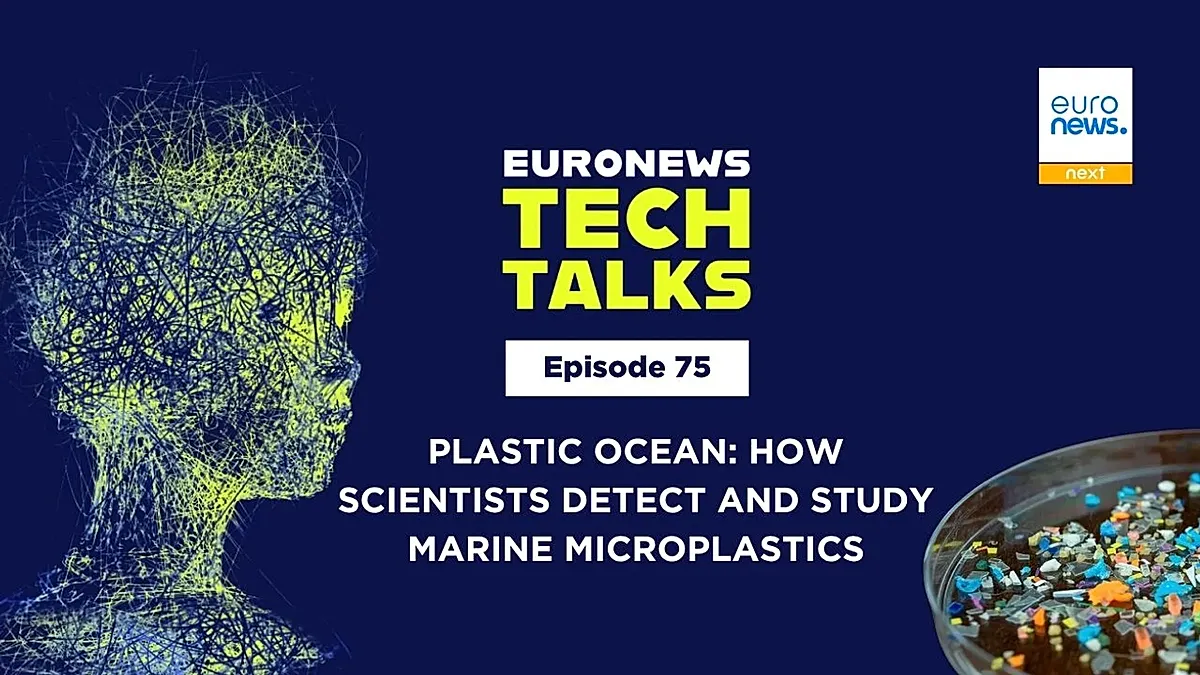
Marine Microplastic Pollution: Detection Methods Revealed
The Invisible Threat in Our Oceans
Usagevpn.com – Marine microplastic pollution represents one of the most pressing environmental challenges of our time. When observing the ocean from shore, we see only the surface of a complex ecosystem. Beneath the waves lie countless species, intricate food webs, and accumulating debris. According to United Nations estimates, about 52 million tonnes of plastic enter marine environments each year. This creates approximately 24 trillion individual microplastic fragments dispersed across our waters. These tiny particles, smaller than five millimetres, occupy both surface waters and deep ocean zones, disrupting marine life in ways scientists are still discovering.
Understanding the pathways that bring these particles to sea requires examining multiple sources. Lost fishing gear, coastal waste management failures, and various other contributors all feed into this growing crisis. The Flanders Marine Institute in Ostend, Belgium, has emerged as a leading center for studying these issues. Ana Catarino, a senior researcher there, leads efforts to collect comprehensive data from the North Sea to better understand the scope of marine microplastic pollution.
Understanding the Sources
Scientists divide ocean microplastics into two main categories based on origin. Primary microplastics are manufactured directly as small particles, such as nurdles—pellets used in industrial production. Secondary microplastics form when larger plastic items fragment through natural processes including wave action, wind, and ultraviolet radiation. This classification helps researchers trace pollution sources and track how materials degrade over time.
Climate change plays a role beyond simple accumulation. Catarino points out that environmental conditions affect plastic breakdown rates. “If we have more sunny days and higher UV radiation exposure and heat waves and changes of temperature that might, for example, impact the degradation of plastics that are stranded,” she explains. These changing conditions speed up the transformation of larger debris into smaller particles, creating a cycle that worsens pollution levels.
Modern Detection Approaches
Identifying and quantifying microplastics proves difficult due to their small size, varied shapes, and different colors. Nevertheless, new methods have been developed. Nelle Meyers, a postdoctoral researcher at VLIZ, created a semi-automated system that makes identification more efficient. The process starts by collecting water samples with special nets, then removes organic material and applies Nile Red stain to mark plastic particles.
Prepared samples are analyzed using fluorescence microscopy. Images are processed by two automated programs that determine if each particle is microplastic and identify its polymer type. “We wanted to automate to speed up the whole process,” Meyers explains. “We wrote a code so when you upload the picture, the image analysis is done automatically,” she adds. This approach combines fluorescence microscopy with computational analysis, offering an affordable solution that laboratories can adopt without costly equipment.
Ecological Consequences
Microplastic effects on marine organisms go beyond direct consumption. Increasing sea temperatures add stress to creatures already dealing with plastic ingestion. “These combined effects, they can be cumulative in the organism,” Catarino notes. When species encounter multiple environmental pressures at once, outcomes become more serious than any single factor would cause alone.
Small marine animals like plankton absorb tiny plastic particles just as larger creatures take in bigger debris. “They [microplastics] can also get their stomach, their gut clogged. And then they [small organisms] don’t eat their nutrients, they don’t eat their own food,” Catarino describes. This obstruction stops proper nutrition intake, which then affects reproduction and overall population wellbeing. “And this is worrying because then it brings other issues because these organisms are not able to reproduce and their population will not strive, so it will be affected,” she emphasizes.
The specific consequences of microplastic exposure vary considerably depending on numerous variables. Different marine species respond uniquely to plastic particles based on their size, feeding habits, and habitat preferences.