No MiGs for Ukraine: Polish Defense Minister Claims Kyiv Abandoned Partnership Deal
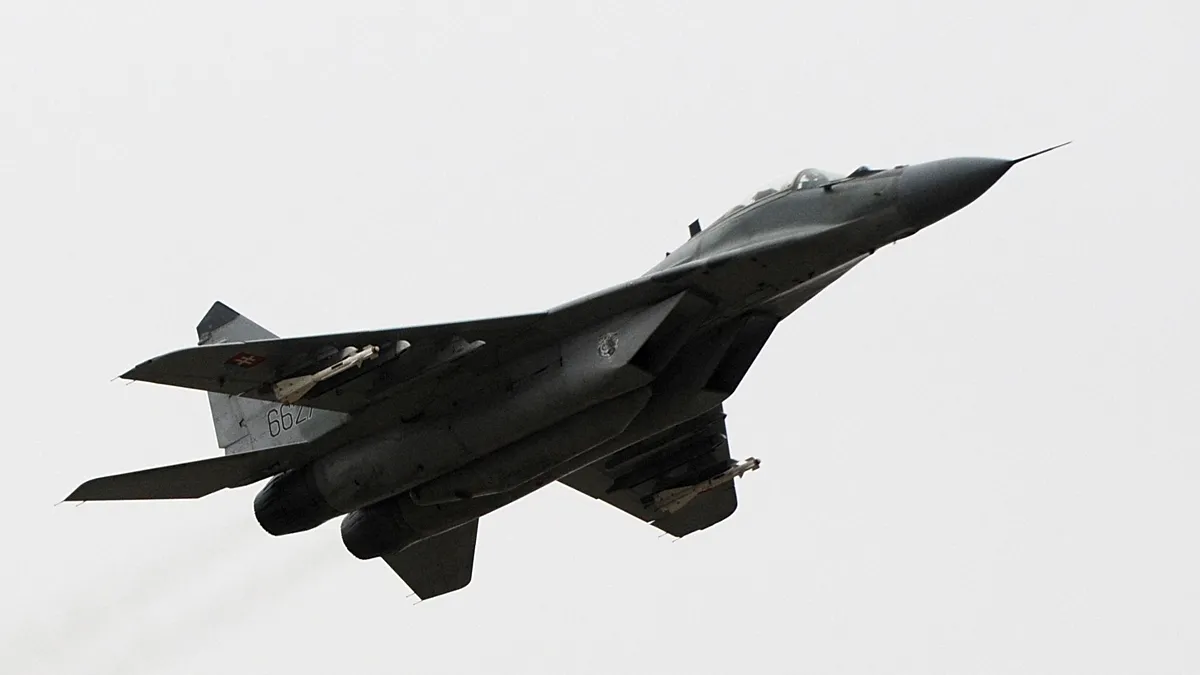
No MiGs for Ukraine – In a recent development, a proposed exchange agreement between Poland and Ukraine—centered on the trade of MiG fighter jets for drone technology—has reportedly fallen through. Poland’s Defense Minister, Władysław Kosiniak-Kamysz, has accused Kyiv of withdrawing from the arrangement, which was intended to foster collaboration in military capabilities. Speaking to Polsat News, the minister emphasized that Warsaw had offered a “very fair, partnership-based approach” involving the transfer of MiG-29s in return for access to Ukrainian drone systems. However, he stated that the Ukrainians initially agreed but failed to deliver on their end of the bargain, leaving the deal in limbo.
“The Ukrainians accepted the deal but did not follow through. There are no MiGs for Ukraine because there are no drones or drone capabilities for Poland,” Kosiniak-Kamysz remarked.
Kosiniak-Kamysz further highlighted that Ukraine already possesses advanced drone technology and operational know-how, which it could share with its allies. “They’re really very good at it. They promised cooperation, but later pulled out of those arrangements,” he said. This move has created a rift in the bilateral relationship, complicating the flow of military support between the two neighboring nations.
Poland’s decision to supply MiG-29s to Ukraine was part of a broader effort to bolster Kyiv’s air defense capabilities. The country had previously transferred 14 MiG-29s in 2023, making it the first nation to provide fighter jets to Ukraine after Russia’s full-scale invasion began in 2022. In January of this year, Poland approved the delivery of nine additional MiG-29s, which were slated for retirement as the nation transitions from Soviet-era aircraft to modern US-designed F-16s and F-35s. This shift underscores Poland’s strategic realignment in military procurement, yet it has also sparked tensions with Ukraine over the terms of the deal.
Ukraine’s Arms Export Policy and the Drone Deals Initiative
Amid the stalled MiG exchange, Ukraine announced in April that it would open its arms exports to international markets, targeting countries that have supported Kyiv’s war effort. President Volodymyr Zelenskyy clarified that this policy would focus on “Drone Deals”—special agreements to produce and supply Ukrainian drones, missiles, ammunition, and other sought-after weapons. He also mentioned the inclusion of technical expertise and technological exchange as part of these arrangements.
“Ukraine will now export its drone technology and share our expertise with partners who stand by us in this conflict,” Zelenskyy stated.
Poland’s Prime Minister, Donald Tusk, had previously announced a project to develop a modern drone fleet using Ukrainian technical knowledge. “Polish drone capabilities will benefit from the expertise of our Ukrainian allies,” Tusk said, signaling a mutual interest in strengthening defense cooperation. However, the latest dispute over the MiG deal has cast a shadow over this collaboration, raising questions about the sincerity of Ukraine’s commitments.
Historical Tensions Over the Ukrainian Insurgent Army
The disagreement over the MiG exchange has been compounded by a long-standing historical issue: the commemoration of the Ukrainian Insurgent Army (UPA). Kosiniak-Kamysz criticized Ukraine’s decision to honor the UPA, a group that Poland views as responsible for wartime atrocities during World War II. In contrast, Ukraine celebrates the UPA for its resistance against Soviet rule and its role in the fight for independence.
The UPA is particularly remembered in Poland for its involvement in the Volyn tragedy of 1943–1945, a period of ethnic violence in which tens of thousands of Poles were killed in western Ukraine, then under Nazi occupation. Polish forces also targeted Ukrainians in retaliatory attacks during this time. Zelenskyy’s gesture to name a military unit after the UPA has drawn widespread criticism in Poland, with some accusing Kyiv of downplaying the group’s wartime actions.
As a result, President Karol Nawrocki stripped Zelenskyy of Poland’s highest honor, the Order of the White Eagle. The award was later returned by Zelenskyy to Warsaw, marking a symbolic resolution to the dispute. However, the incident has strained diplomatic ties, with Kosiniak-Kamysz suggesting that Ukraine’s reverence for groups like the UPA and the Organisation of Ukrainian Nationalists (OUN) could hinder its progress toward EU membership.
“Ukraine will face significant challenges in joining the EU if it continues to venerate groups such as the UPA and the OUN,” Kosiniak-Kamysz asserted, referencing the radical wing of the OUN, OUN-B, led by Stepan Bandera.
This critique highlights the complex interplay between historical narratives and contemporary politics in the region. While Ukraine seeks to align itself with Western values, Poland remains cautious, emphasizing the importance of acknowledging past conflicts. The debate over the UPA has also intensified as Ukraine expands its military partnerships, with some analysts suggesting that the issue reflects deeper ideological divides between the two nations.
Despite the breakdown in the MiG deal, the broader partnership between Poland and Ukraine remains intact. Both countries have continued to collaborate on defense projects, such as the modern drone fleet initiative. Yet, the recent accusations and historical grievances indicate that trust is waning, with the potential to impact future agreements. As the war in Ukraine enters a new phase, the relationship between Warsaw and Kyiv will be closely watched for signs of reconciliation or further discord.
Analysts note that the MiG-for-drones deal, though stalled, was a significant step toward greater military integration. The collapse of this agreement could have implications for Ukraine’s ability to secure advanced weaponry from European allies. Meanwhile, Poland’s insistence on maintaining its stance reflects a desire to assert its position in the region while balancing its support for Kyiv’s cause. The situation underscores the challenges of forging alliances in a time of geopolitical upheaval, where past grievances can influence present decisions.
As the two nations navigate these tensions, the fate of their cooperation will depend on whether they can reconcile their differing perspectives on history and military strategy. For now, the “MiGs in exchange for drones” plan remains a casualty of a broader diplomatic clash, with the potential to reshape the future of their partnership in unpredictable ways.