IKEA’s Dorothée Gardon on AI, the viral Punch moment and brand control in the social media age
IKEA s Dorothée Gardon on AI – At this year’s Cannes Lions International Festival of Creativity, the conversation turned sharply toward the challenges and opportunities brands face in an era defined by artificial intelligence, internet culture, and the unpredictable power of viral moments. Among the speakers was Dorothée Gardon, the Global Marketing Strategy & Integrated Media Director at IKEA, who shared insights on how the Swedish retailer is adapting to a rapidly evolving digital ecosystem. Her remarks highlighted the delicate balance between embracing technological innovation and preserving the essence of a brand’s identity in an age where a single clip can shape global perception overnight.
The Unforeseen Viral Phenomenon
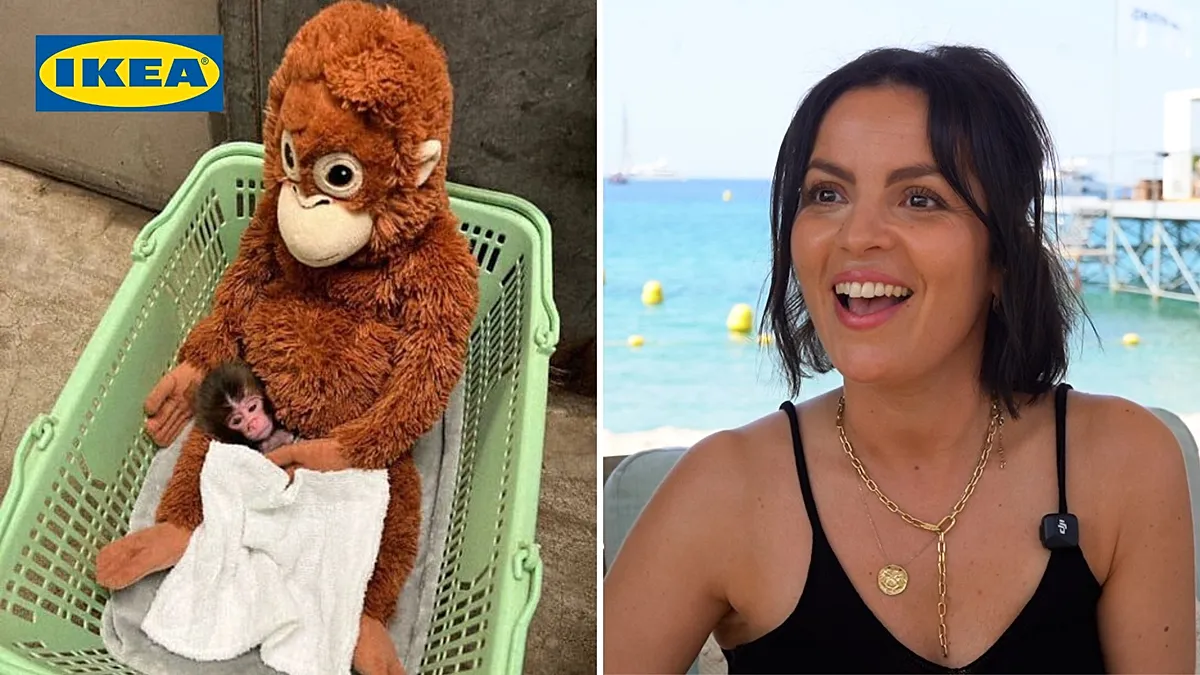
One of the most memorable examples of this dynamic came earlier this year, when a tiny baby Japanese macaque named Punch captured the internet’s attention after being filmed carrying an IKEA Djungelskog orangutan plush toy. The video, which initially seemed like a random moment of playful curiosity, quickly spread across platforms, accumulating millions of views and sparking a surge in sales of the toy in several markets. For IKEA, the incident was both a challenge and a chance to reengage with its audience in a way that felt authentic and unexpected.
“It was a wonderful example of how playful and talented our communications teams are,” Gardon remarked. “The post actually came from one of our social media team members. She literally filmed it behind the parking lot of our office. It’s a reminder that even the smallest actions can create a ripple effect in the digital world.”
The success of the Punch campaign underscored how brands must remain agile and open to serendipity. While IKEA is known for its mass-market appeal and innovative product designs, the viral moment demonstrated the company’s ability to seize opportunities when they arise. Gardon emphasized that the incident was not a fluke but a reflection of IKEA’s commitment to staying relevant in a fast-paced, interconnected environment.
AI as an Amplifier, Not a Replacement
Gardon discussed how IKEA is leveraging AI as a tool to enhance creativity and efficiency. “AI is a wonderful amplifier of our genuine creative talent,” she said. “It can help us become much more efficient in everything we do, but we are still figuring out what it means for us as a brand.” The company, in collaboration with its partners at Dentsu, is investing in technologies that support their ability to scale personalized content while maintaining the core values that define IKEA’s brand.
Despite AI’s growing influence, Gardon stressed that human ingenuity remains central to their creative process. “The foundation of everything we do is the human brain,” she explained. “We don’t want to let AI be the starting point, but rather use it to build on the creativity that begins with our designers and teams.” This approach ensures that while technology streamlines operations, the emotional and cultural resonance of IKEA’s messaging stays intact.
“We believe AI is great at creating valuation, but it cannot replace the intelligence that comes from the human brain,” Gardon added. “That’s why we always prioritize brand safety. Hallucinations do happen, and we need to stay vigilant to ensure our messaging remains accurate and aligned with our identity.”
For IKEA, affordability is a non-negotiable aspect of its strategy. “From the very beginning, we’ve chosen to be on the side of the people with a thin wallet,” Gardon said. “Our goal is to provide high-quality, well-designed products at everyday low prices. We don’t want to compromise on the design or functionality of our offerings, but we also aim to enrich people’s lives without breaking the bank.”
In a world grappling with inflation and rising energy costs, maintaining affordability has become a critical component of brand loyalty. “We’ve always focused on making products accessible to a wide audience,” Gardon noted. “That mindset continues to guide us as we explore new ways to connect with customers, especially in an environment where the cost of living is a constant concern.”
Striking a Balance Between Trends and Tradition
While the Punch campaign showcased IKEA’s agility, Gardon also highlighted the importance of strategic restraint. “We don’t chase every trend that comes along,” she said. “Not all trends are relevant to our brand, and we need to be smart about which ones we embrace.” This philosophy ensures that IKEA’s brand identity remains consistent, even as it adapts to new cultural phenomena.
“It’s about choosing the moments that genuinely align with our values,” Gardon explained. “The Punch campaign was a perfect illustration of how cheeky and playful we can be, but it also reinforced our commitment to simplicity and affordability.” The campaign, which relied on a basic iPhone and a spontaneous moment, achieved a viral effect without sacrificing the brand’s core principles. “We don’t want to overcomplicate things,” she said. “Our goal is to create content that feels personal and relatable, even when it’s scaled to a global audience.”
Looking ahead, Gardon emphasized the role of data in shaping IKEA’s strategy. “In a privacy-safe way, we’re looking at how we can use insights from our 200 million IKEA Family members to enhance their experience,” she said. “These insights help us become more relevant to our audience, expand the value we bring to their lives, and ultimately attract new customers.”
Designing for the Future
Gardon also touched on the importance of design in maintaining brand relevance. “Our DNA is rooted in playfulness, simplicity, and that spark of creativity that makes people smile,” she said. “We want to ensure our teams are trained to represent these qualities in every campaign and product we release.” This focus on design extends beyond aesthetics, encompassing the functionality and emotional appeal of IKEA’s offerings.
“The Punch moment was a reminder of how important it is to stay connected with the everyday experiences of our customers,” Gardon reflected. “Even something as simple as a plush toy can become a symbol of our brand when it resonates with people on a personal level.” By tapping into such moments, IKEA reinforces its image as a brand that understands and reflects the needs and aspirations of its audience.
As the conversation at Cannes Lions unfolded, it became clear that brands like IKEA are navigating a complex landscape where technology, culture, and creativity intersect. Gardon’s insights highlighted the company’s ability to blend innovation with tradition, ensuring that every campaign, whether planned or unplanned, stays true to its mission. “We’re always looking for ways to amplify our brand,” she said. “But we do it with a focus on authenticity, affordability, and the human touch that makes us unique.”
Ultimately, the Punch story and IKEA’s approach to AI illustrate the evolving role of brands in the digital age. By staying attuned to cultural shifts and using technology as a tool rather than a replacement, IKEA continues to position itself as a leader in both creativity and customer-centricity. As Gardon put it, “It’s not just about keeping up with the times—it’s about shaping the future while staying grounded in who we are.”