Lawyer Says Orbán Should Have Been Detained Over Ukrainian Cash Convoy Raid
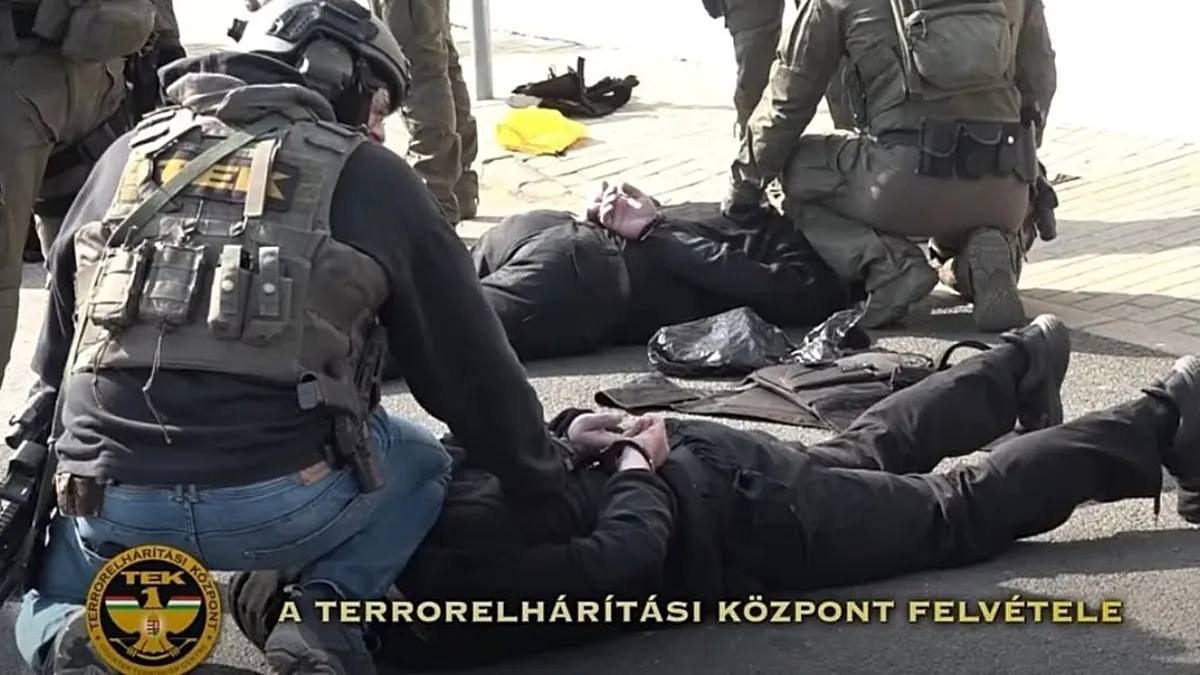
Lawyer says Orbán should have been – In early March 2026, a convoy of two vans carrying a substantial amount of cash and gold was en route to Kyiv’s Oschadbank headquarters from Vienna. The vehicles were intercepted near Budapest, where the seven Ukrainian nationals aboard were detained, interrogated, and expelled from Hungary. Their valuables were seized by authorities, sparking accusations of political intent. A legal representative of the detainees has since claimed that former Prime Minister Viktor Orbán should have been investigated and detained for his alleged role in the operation, according to a recent statement to Euronews.
Investigation Into Key Officials
Hungarian prosecutors recently questioned János Hajdu, the former head of the anti-terrorism unit TEK, who is suspected of issuing orders that led to the allegedly unlawful detention of the Ukrainians. Hajdu was released after the interrogation, but his involvement has raised questions about the accountability of those behind the raid. Lawyer Lóránt Horváth, who represents both Oschadbank and the detained individuals, argued that all participants in the operation should have been taken into custody to address their actions.
“Detaining Hajdu was essential, but the other three officials, including Orbán, should also have faced suspicion and arrest,” Horváth stated. He highlighted the potential for those in charge to manipulate evidence, influence witnesses, and avoid consequences, suggesting that their detention would have been justified.
Leaked Documents Name Orbán Among Suspects
A leaked document from the prosecutor’s office, shared by the news site 444.hu, identified four officials as central to the decision-making process behind the raid. These include Viktor Orbán, former secretary of state Örs Farkas, Tamás Demeter, the former vice-president of Hungary’s tax office NAV, and Hajdu. Horváth pointed out that the four were part of a small group making strategic choices during the operation, potentially linking Orbán to the incident.
“Political motivations may have driven this action, as Orbán’s government has long portrayed Ukraine as a threat,” Horváth added. “The chief prosecutor, appointed under Orbán’s administration, could be biased, which might explain why only Hajdu was detained while others remained free.”
The raid took place during a critical phase of Hungary’s election campaign, when Orbán’s Fidesz party was actively promoting the idea of Ukraine as an adversary. Horváth emphasized that the event had clear political significance, possibly aimed at undermining Ukraine’s economic ties with Hungary. The lawyer also noted that the prosecution’s focus on Hajdu might be a deliberate move to shift attention away from Orbán.
Charges and Political Dynamics
Hajdu is currently charged with unlawful detention, torture, and malicious intent, which could lead to a prison sentence ranging from two to eight years. More severe charges, such as terrorism, have not yet been confirmed but remain a possibility. Despite being implicated in the raid, Hajdu was appointed as the security chief of the Fidesz party the day after his interrogation by Orbán. However, following Fidesz’s electoral defeat, the incoming Prime Minister Péter Magyar dismissed him from his position.
“Hajdu’s loyalty to Orbán might make him hesitant to implicate his former boss, which strengthens the argument that the prosecution is targeting Orbán to remove him from the narrative,” Horváth explained. He also suggested that the chief prosecutor, Gábor Bálint Nagy, could be providing political support to his former superiors, creating a potential conflict of interest.
Magyar’s government has consistently called for the resignation of Chief Prosecutor Gábor Bálint Nagy, who was appointed under Orbán’s leadership. This move has been interpreted as an attempt to reduce the influence of the previous administration on the investigation. Meanwhile, Orbán has defended the raid at a June press conference, asserting that all actions were taken in accordance with the law. He dismissed concerns about his personal involvement, stating that the operation was a routine law enforcement activity.
Strategic Timing and Alleged Bias
The timing of the raid, coinciding with the peak of Hungary’s election campaign, has fueled speculation about its political purpose. Fidesz’s portrayal of Ukraine as a threat may have been leveraged to justify the detention of the convoy members and their cargo. Horváth argued that the prosecutors’ reluctance to detain Orbán and others reflects a strategy to protect the former prime minister while allowing the current government to take control of the case.
“The chief prosecutor, appointed by the previous government, may be acting as a shield for Orbán. This could mean the investigation is more about removing him from power than addressing the actual legal violations,” Horváth said.
Hungarian media had previously reported that the raid might have originated from the prime minister’s office, but prosecutors have denied any political interference. Despite this, the lawyer and his clients believe the evidence points to a coordinated effort to suppress Ukraine’s financial activities in Hungary. The case has become a focal point for debates about judicial independence and the role of politics in legal proceedings.
Broader Implications for Hungary’s Governance
As the investigation unfolds, the incident has sparked broader discussions about the separation of powers in Hungary. Critics argue that the current government, under Magyar, is using the case to challenge the legacy of Orbán’s administration. The legal battle now centers on whether the prosecution is acting impartially or serving as a political tool to weaken Orbán’s influence. With the chief prosecutor’s appointment under the previous regime, the potential for bias remains a central issue in the case.
Horváth’s statements have added weight to the claim that the raid was not a simple law