EU’s phase-out of China-made inverters gets a reality check
EU s phase out of China – The European Commission has launched initiatives to restrict the use of China-sourced inverters in EU-funded energy projects, yet a complete removal within the next few years seems unlikely. Recent proposals to gradually eliminate Chinese inverters aim to bolster security in critical energy systems, but challenges persist in ensuring the transition is both feasible and sustainable. The move has intensified debates among stakeholders, highlighting the delicate balance between national security and economic efficiency in the renewable energy sector.
Cybersecurity Concerns Drive the Ban
The initiative stems from concerns that Chinese inverters pose cybersecurity risks, particularly their potential role in disrupting power grids. Critics argue that manufacturers based in China might exploit these devices to remotely manipulate systems, leading to blackouts or other disruptions. Such vulnerabilities have been a focal point in discussions, as the EU seeks to safeguard its energy infrastructure from external threats. However, the practicality of enforcing this ban across all EU-funded projects remains under scrutiny.
While the Commission emphasizes the need to reduce reliance on foreign technology, industry representatives have raised doubts about the immediate impact of such a policy. A closed-door meeting held last Friday brought together financial institutions, renewable energy developers, and alternative inverter producers to address these concerns. The event aimed to evaluate the feasibility of replacing Chinese inverters with domestic options, identify gaps in current supply chains, and explore strategies for scaling up EU manufacturing capabilities.
European investment banks, including the European Investment Bank, have voiced opposition to the phase-out. They stress that Chinese inverters remain the most cost-effective and reliable option for many projects, particularly in solar energy. Without a clear alternative, the ban could force these institutions to withdraw from key renewable initiatives, creating financial strain. “For years, the Commission has championed large-scale renewable investments,” said an EU official, who requested anonymity. “Now, with balance sheets tilted toward green energy, they’re facing a dilemma: either accept the risk or halt progress.”
“The phase-out would mean projects involving Chinese suppliers are no longer eligible for funding, leaving investors to scramble for solutions.” – EU official, speaking to Euronews
Although the meeting highlighted the EU’s capacity to produce inverters, participants pointed to logistical hurdles. Short-term disruptions, such as model shortages and rising costs, could delay projects and strain budgets. Additionally, the integration of Chinese inverters with existing solar panels has proven more seamless, making the transition more complex. These factors underscore the need for careful planning and a phased approach to mitigate risks.
The meeting also underscored the importance of legal clarity. Without specific guidelines on how to interpret the Commission’s directives, industry actors may struggle to align their operations with the new standards. This ambiguity could slow down the adoption of domestic inverters, as companies navigate uncertainty in compliance requirements. “The lack of clear rules is a major obstacle,” stated one attendee, emphasizing that precise definitions of “high-risk” inverters are essential for implementation.
Technical and Financial Challenges Ahead
European manufacturers, poised to benefit from a ban on Chinese suppliers, sought to reassure attendees that production could meet demand. However, the optimism was tempered by the reality that scaling up manufacturing requires time and significant investment. “While there is potential, the pace of growth depends on how quickly the EU can ramp up its production lines and secure financing,” noted a representative from an inverter company.
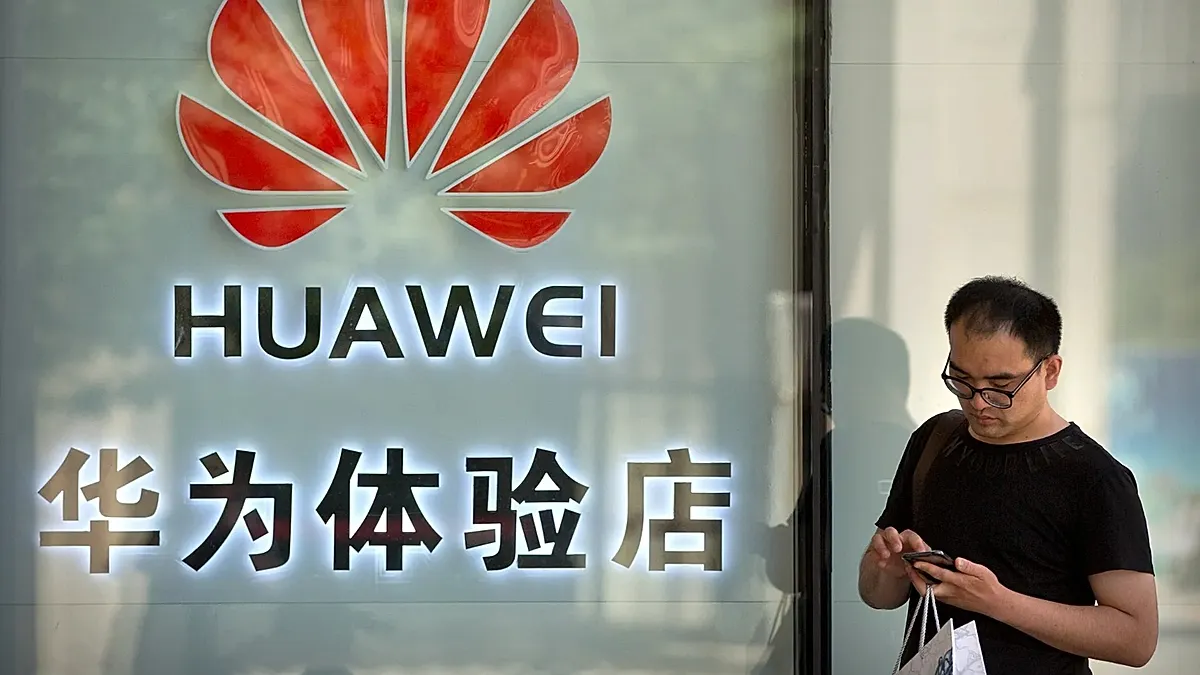
Furthermore, the meeting revealed that the transition may not be as straightforward as initially thought. Chinese inverters are often preferred for their advanced technology and competitive pricing, which European producers have yet to match. “Huawei and similar firms offer services and guarantees that are hard to replicate,” said an industry analyst, highlighting the challenge of maintaining quality without compromising cost.
The energy crisis, exacerbated by geopolitical tensions, has heightened the urgency of this phase-out. With renewable energy projects at the forefront of recovery efforts, the Commission’s decision to prioritize security over cost could have far-reaching consequences. Yet, the financial implications of the shift are not negligible, as investment banks face the prospect of funding fewer projects and managing increased risks.
Industry leaders also emphasized the need for collaboration between regulators and manufacturers. “This isn’t just about banning imports; it’s about building a resilient domestic supply chain,” explained a participant. “That requires not only financial support but also shared goals and long-term strategies.” The meeting concluded with a call for more transparency, as stakeholders seek to align their efforts with the Commission’s vision.
A Complex Path Forward
As the EU moves toward a more self-sufficient energy infrastructure, the phase-out of Chinese inverters represents a critical step. However, the process is fraught with challenges, from technical limitations to financial uncertainties. The closed-door discussion revealed that while the objective is clear, the execution demands innovation, coordination, and patience.
The meeting also served as a platform to address broader concerns about energy security. With the war in Iran intensifying supply chain risks, the EU’s reliance on foreign technology has come under greater scrutiny. Yet, the need for pragmatic solutions remains, as the Commission balances security with the realities of market dynamics. “We can’t afford to ignore the risks, but we also can’t ignore the benefits of working with reliable partners,” said one attendee, reflecting the nuanced debate.
Ultimately, the phase-out of Chinese inverters is a test of the EU’s ability to adapt its energy strategy. While the goal of enhancing security is commendable, the path to achieving it will require significant investment, technological advancements, and a willingness to accept short-term trade-offs. As the renewable energy sector continues to grow, the success of this initiative will hinge on its ability to navigate these complexities without jeopardizing progress.