Ukrainian Forces Strike Russian Oil Infrastructure as Moscow Retaliates Against Civilian Targets
Usagevpn.com – In a coordinated overnight offensive that underscored the escalating nature of the conflict, Ukrainian forces successfully targeted two major oil refineries situated hundreds of kilometers from the active front lines. President Volodymyr Zelenskyy announced the successful strikes on Thursday, highlighting a strategic shift toward deepening pressure on Russian economic infrastructure while simultaneously facing intensified Russian bombardment of Ukrainian civilian centers.
Deep-Strike Campaign Against Energy Sector
The Ukrainian operation focused on facilities located in the Bashkortostan and Yaroslavl regions, both positioned approximately 700 kilometers from the combat zone. This geographic depth represents a significant achievement for Kyiv’s drone campaign, which has been operating at unprecedented volumes in recent months. The attacks targeted critical energy distribution nodes that supply fuel to both military and civilian populations across western and central Russia.
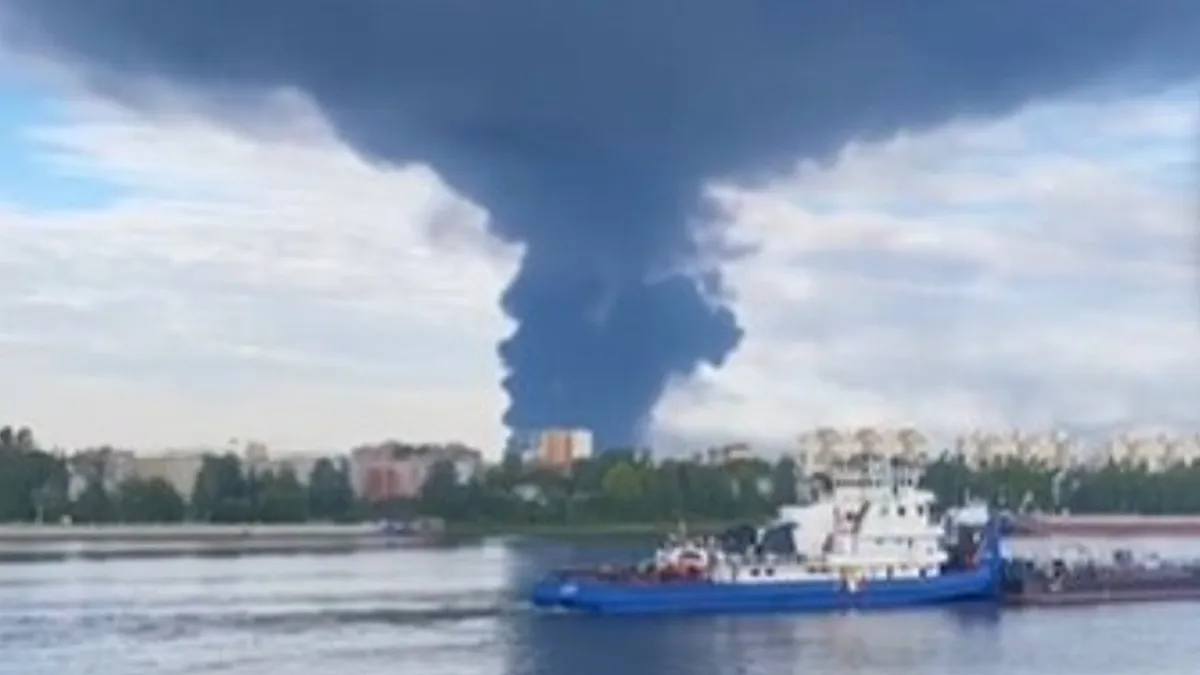
Zelenskyy framed these operations within a broader diplomatic strategy, suggesting that sustained pressure on Russian economic assets could create favorable conditions for future negotiations. The president shared visual documentation from Russian social media platforms showing thick black smoke billowing from the damaged facilities, providing immediate evidence of the strikes’ impact.
“Russia must choose peace,” Zelenskyy stated, emphasizing that the military campaign serves diplomatic objectives beyond immediate battlefield gains.
Russian Counter-Offensive Intensifies
While Ukrainian forces pressed their advantage against Russian refineries, Moscow launched a substantial counter-operation targeting Ukrainian civilian infrastructure. Russian missile strikes against Kyiv resulted in at least seventeen fatalities and caused extensive damage to commercial warehouses belonging to multiple retail chains. These attacks appeared strategically timed as a direct response to Ukraine’s ongoing campaign against Wildberries, the Russian e-commerce corporation frequently compared to Amazon in Western markets.
The Russian defense ministry reported intercepting 605 Ukrainian drones during the overnight period, demonstrating the scale of Kyiv’s aerial assault. Regional officials provided additional details about the intensity of the operations. The governor of Yaroslavl, located north of Moscow, confirmed that ninety-two drones were neutralized in what he characterized as the most significant attack on his region throughout the entire conflict.
Simultaneously, a drone strike damaged a logistics center operated by Wildberries in the Tver region, further illustrating Ukraine’s systematic approach to disrupting Russian commercial supply chains. The e-commerce giant has become a prominent target due to its dual role in civilian commerce and military logistics support.
Casualties Mount on Both Sides
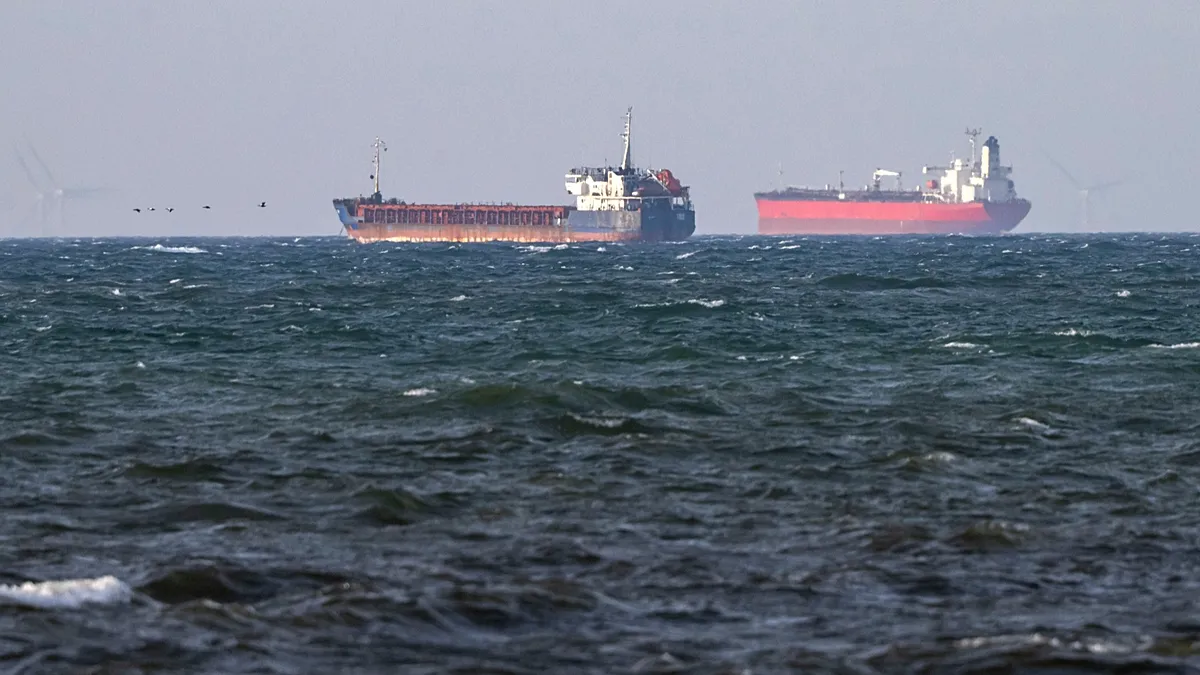
The overnight operations resulted in additional civilian casualties across Ukraine. Two individuals were killed at the Lozova train station in the northeastern Kharkiv region, highlighting the vulnerability of transportation infrastructure to Russian precision strikes. In maritime operations, a commercial vessel transporting Ukrainian wheat exports was struck in the Black Sea, resulting in one fatality according to the Odesa regional governor.
The inability of Ukrainian air defense systems to intercept the Russian missiles that struck Kyiv prompted urgent appeals from Zelenskyy for additional anti-aircraft equipment and ammunition. This shortfall in defensive capabilities has become a critical concern as Moscow continues to launch all-time high volumes of missile attacks against Ukrainian population centers.
Strategic Implications and Diplomatic Outlook
More than four years into Russia’s full-scale invasion, the conflict has entered a phase characterized by escalating long-range strikes rather than territorial advances. Both nations have adopted strategies designed to inflict maximum economic and civilian pressure while avoiding direct military confrontation. The parallel intensification of drone and missile campaigns has resulted in a steady increase in civilian casualties on both sides of the border.
Diplomatic efforts remain largely stalled despite the growing human cost of the conflict. Zelenskyy’s emphasis on the diplomatic potential of the current military campaign suggests that Kyiv may be positioning conditions for renewed negotiations. The combination of sustained economic pressure on Russian energy infrastructure and demonstrated military capability through record drone operations could create leverage for future diplomatic initiatives.
The strategic targeting of facilities deep within Russian territory represents a significant evolution in Ukraine’s military approach. By striking assets that were previously considered relatively secure from direct combat, Kyiv has forced Russia to divert resources toward homeland defense while simultaneously disrupting critical supply chains that support both military operations and civilian populations. This dual-pressure strategy appears designed to increase the economic and political costs of continued warfare for Moscow.
Related Reading
Frequently Asked Questions
What is Ukraine hits refineries deep inside Russia?
Ukraine hits refineries deep inside Russia is the main topic of this guide. The article explains the context, practical details, and next steps readers should understand.
Why does Ukraine hits refineries deep inside Russia matter?
Ukraine hits refineries deep inside Russia matters because readers are looking for a useful answer, not just a short summary. Good content should match search intent and help them decide what to do next.