False Visuals Cloud Ceuta Migration Story
Usagevpn.com – Mass movement of people into the Spanish enclave of Ceuta has dominated social media feeds, but not all the imagery circulating is what it appears to be. Following a significant influx of migrants last week, thousands of photographs and video clips flooded platforms like Instagram, X, and YouTube. While many captured genuine moments of the crisis, a substantial portion turned out to be either artificially generated or recycled footage from entirely different events.
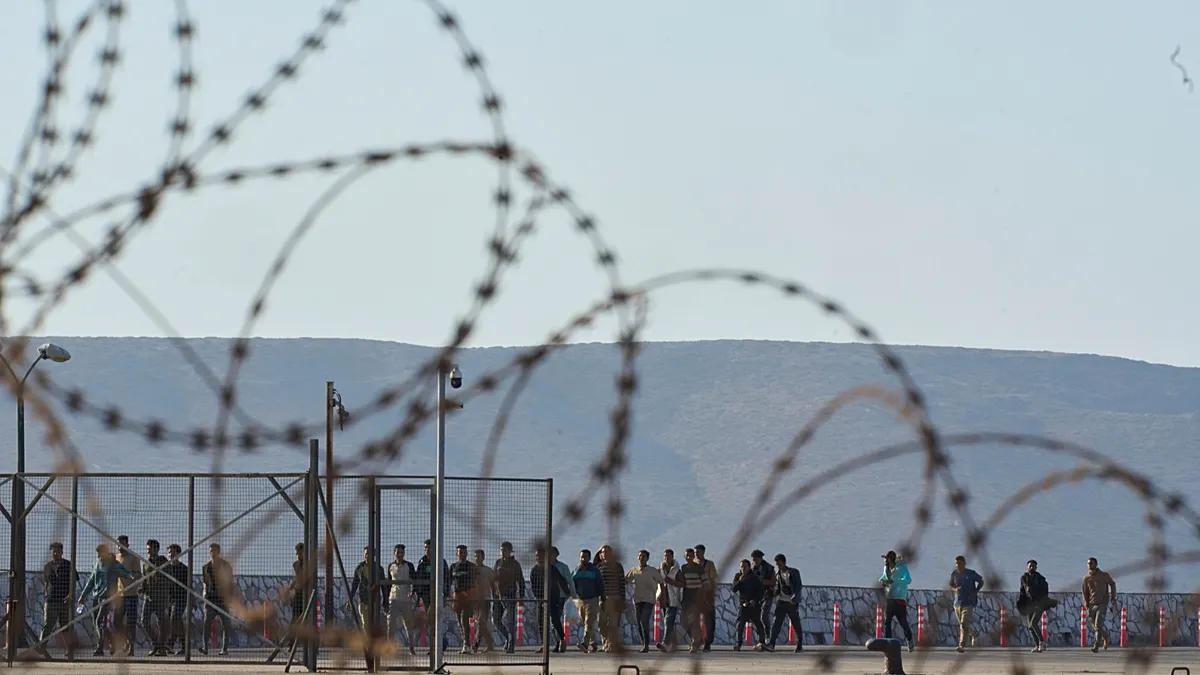
Roughly 72,000 individuals crossed from Morocco into Ceuta during the recent surge. The sheer volume of people moving through the border area generated countless images, some of which quickly gained traction as authentic documentation of the unfolding situation. However, closer examination reveals that several viral visuals were created using artificial intelligence or repurposed from older incidents.
AI-Generated Photographs Misidentified as Real
One particularly striking image captured widespread attention across multiple platforms. The photograph appeared to depict a soldier lifting a massive stone above a migrant who was scaling an embankment. Users on YouTube, X, Reddit, and Instagram shared the dramatic scene, with some even attributing it to the Reuters news agency. Despite the attribution, no record exists of Reuters publishing this specific image.
Verification through OpenAI’s artificial intelligence detection tool confirmed that the photograph was indeed generated using the company’s software. Nevertheless, many Instagram users accepted the image as genuine, with comments expressing emotional reactions such as, “Where is our love, humanity and compassion?”
While the photograph itself is not authentic, it is worth noting that several videos recorded from different angles do appear to document a real incident near Fnideq, the Moroccan town directly adjacent to Ceuta. The Moroccan security forces involved in clashes in the area were wearing riot gear similar to what is visible in the AI-generated image, suggesting the photograph may have been inspired by actual events.
Another AI Image Surfaces Online
A separate photograph claiming to show dozens of shoes floating in the Mediterranean Sea also spread rapidly across social media platforms including X, Instagram, Facebook, and Threads. Moroccan news outlets originally published the image alongside their coverage of the migration situation. OpenAI’s verification tool similarly identified this photograph as AI-generated using their software.
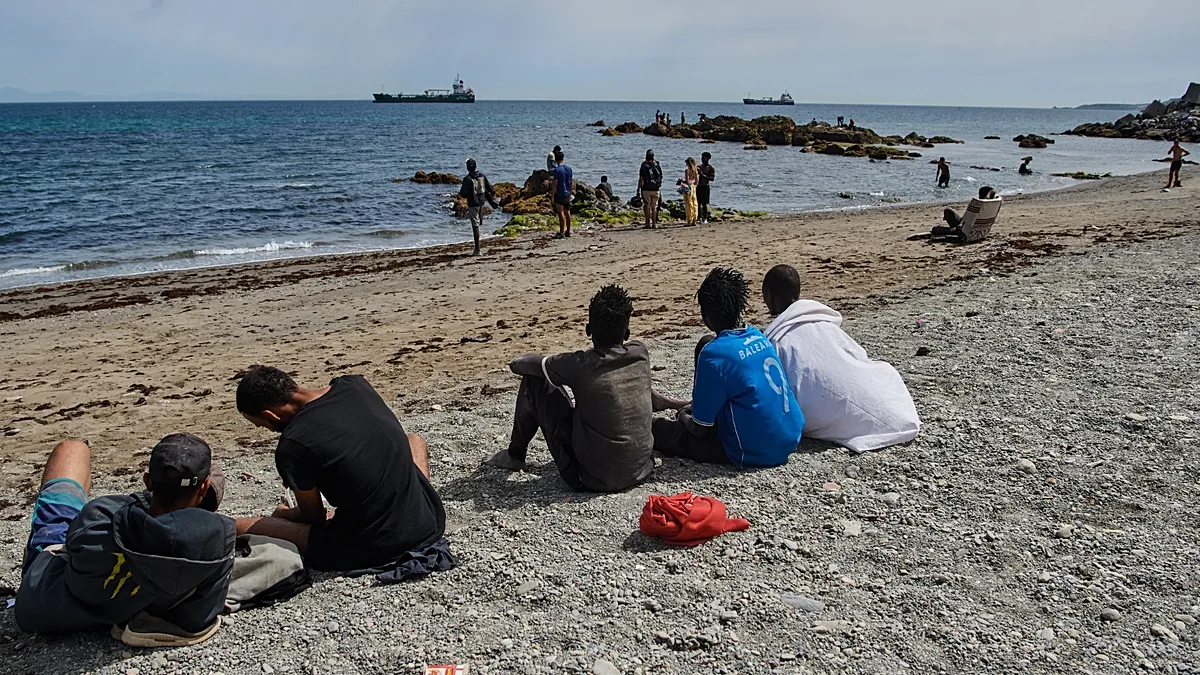
In contrast, Reuters did publish a genuine photograph showing a float and shoes belonging to migrants floating on the shoreline near El Tarajal beach in Ceuta. This authentic image provides a more accurate visual record of the situation on the ground.
Recycled Video Misleading Viewers
A video clip showing migrants arriving by boat has been widely shared in connection with the Ceuta crisis. Social media users have suggested this footage demonstrates that migrants have reached Andalusia in southern Spain. However, reverse image search results indicate that while the video does show boat arrivals, it has been incorrectly captioned.
The clip is actually at least three years old and has been reposted numerous times over the past several years. Each time it resurfaces, different accounts claim it is documenting a current event, even though the footage predates the recent Ceuta crossings by a significant margin.
Legal Status and Future Pathways
Although Ceuta remains Spanish territory, travelers who wish to reach mainland Spain must still pass through Schengen border controls. This creates an uncertain legal situation for many of those who entered the enclave during the recent surge. Individuals who remained in Ceuta after the mass crossing have been described as having an unclear legal pathway and no confirmed means of onward travel, despite several expressing their desire to reach mainland Spain.
Spanish authorities have confirmed that the vast majority of people who crossed into Ceuta have now been returned to Morocco. These returns have occurred through both voluntary arrangements and forced measures. The combination of genuine and false visual content continues to complicate public understanding of the situation, as AI-generated images and recycled videos compete with authentic documentation for attention on social media platforms.
While the image is not authentic, several videos filmed from different angles do appear to show an incident matching the one depicted near Fnideq, the Moroccan town adjacent to Ceuta.
The proliferation of misleading visuals highlights a growing challenge in digital journalism. As artificial intelligence tools become more sophisticated, distinguishing between authentic photographs and AI-generated content requires increasingly careful verification. For viewers following the Ceuta situation, the presence of both real and fabricated imagery underscores the importance of cross-referencing sources before accepting visual evidence at face value.
The broader implications extend beyond this single incident. As migration patterns shift and new crossings occur, the potential for confusion between genuine documentation and artificially created content will likely increase. Social media users, news organizations, and the public alike must remain vigilant in verifying visual evidence to ensure accurate understanding of ongoing events.
Related Reading
Frequently Asked Questions
What is Old videos and AI generated images?
Old videos and AI generated images is the main topic of this guide. The article explains the context, practical details, and next steps readers should understand.
Why does Old videos and AI generated images matter?
Old videos and AI generated images matters because readers are looking for a useful answer, not just a short summary. Good content should match search intent and help them decide what to do next.