Magyar Optimistic About Paks Nuclear Restart as Danube Rises
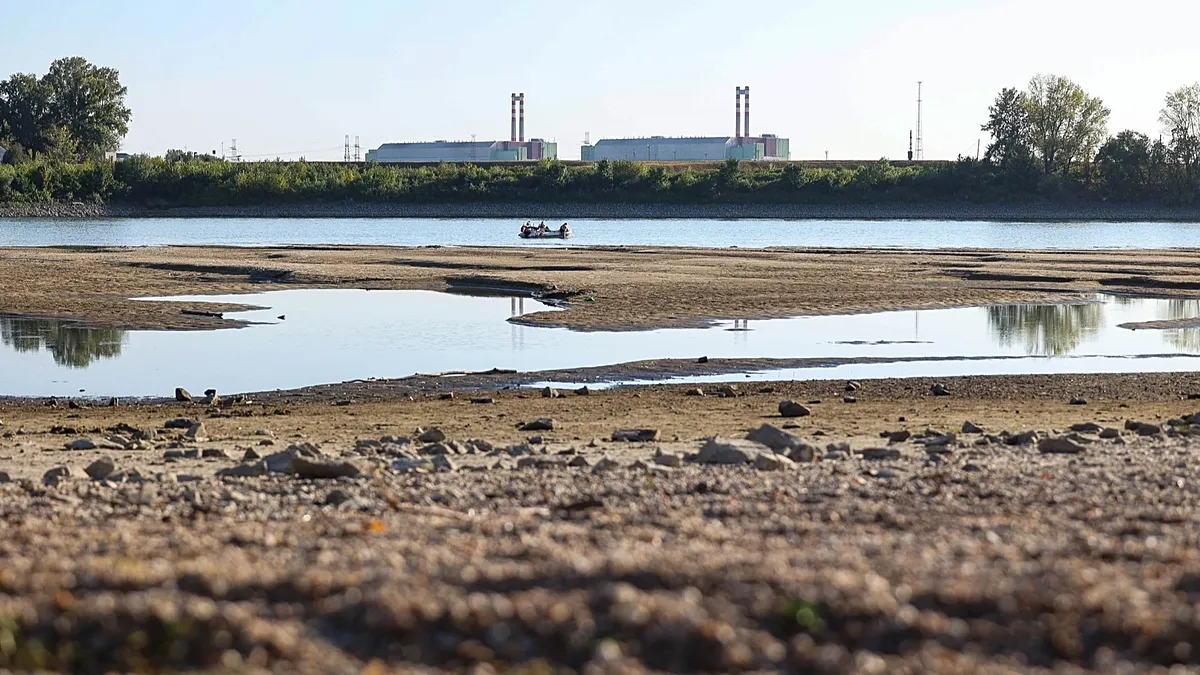
Usagevpn.com – Magyar optimistic about Paks nuclear operations as Hungary’s energy sector prepares for recovery. The nation’s sole nuclear power station may soon resume full operations following a temporary shutdown caused by critically low Danube River levels. Prime Minister Péter Magyar voiced confidence that rising water levels and incoming rainfall could restore normal functioning at the facility. The plant, which relies on the Danube for cooling, suspended operations on Sunday when river levels reached dangerous lows. This disruption has created challenges for Hungary’s energy grid during an extended heatwave that has affected much of Europe since May.
Rising Water Levels Signal Recovery
The Danube, Europe’s second-longest river, has suffered unprecedented drops across multiple sections due to consecutive heatwaves. Recent data shows encouraging signs of improvement. According to the prime minister’s latest assessment, water levels have climbed nine centimeters above the Sunday minimum reading. Magyar shared this update on social media platform X on Thursday, highlighting that precipitation is forecasted across Austrian catchment regions that supply the Danube. This incoming rainfall could further support the recovering water levels.
The good news is that we are now nine centimetres above the Danube’s Sunday low, and rain is expected over the Austrian catchment areas. The turbine at Paks is operating. Even so, on today’s scorching day we will still very much need people to cut their consumption voluntarily.
Facility Stabilization Underway
During a Tuesday visit to the site, the prime minister received comprehensive updates on conditions at Paks. He confirmed that the situation stabilized once the river’s water level stopped declining below the critical threshold and began climbing. The recovery has been steady but gradual. By Tuesday evening, measurements showed a five-centimeter rise compared to morning readings. Wednesday brought another one-centimeter increase, with an 8 AM measurement recording -134 centimeters. Thursday morning readings improved to -131 centimeters. While the rising water means the final turbine does not need shutdown, complete restoration requires time. Units already taken offline need adequate cooling before safe restart. Additionally, water levels must maintain current heights consistently for normal operations to resume.
Budapest Breaks Temperature Records
The capital city has experienced dramatic weather changes alongside the water recovery. Data from the water management authority shows the Danube in Budapest is now fourteen centimeters higher than last Sunday’s low point. At the same time, Budapest shattered its absolute temperature record on Wednesday. A reading of 41.1 degrees Celsius was recorded in the Újpest district, marking the highest temperature ever documented in the city’s history. The previous record of 41 degrees Celsius had been established only in June of this year, making this achievement particularly significant.
Energy Security Implications
The Paks nuclear power station remains crucial to Hungary’s energy mix, supplying a substantial portion of the country’s electricity. The facility’s dependence on the Danube for cooling creates vulnerability during drought conditions, which have grown more frequent as climate patterns shift. The voluntary consumption reduction measures that Magyar called for demonstrate the connection between water availability and energy production. When cooling water levels drop, power generation capacity decreases, potentially requiring additional measures to meet demand. Looking ahead, the combination of rising Danube levels and expected rainfall over Austrian catchment areas suggests continued improvement. However, officials caution that full operational capacity depends on sustained water levels rather than temporary fluctuations. The situation at Paks serves as a reminder of how climate extremes can impact critical infrastructure. As Europe continues to experience more frequent and intense heatwaves, facilities like Paks will need to adapt to increasingly variable water availability while maintaining reliable energy supply for millions of residents.
Frequently Asked Questions
When will Paks nuclear power station fully restart?
Full restart depends on water levels maintaining their current height consistently. While the final turbine continues operating, units already taken offline need time before safe restart. Officials expect gradual recovery rather than immediate full operations.
How much have Danube water levels risen since Sunday?
Water levels have climbed nine centimeters above the Sunday minimum at Paks. In Budapest specifically, the Danube is fourteen centimeters higher than last Sunday’s low point.
What role does Austrian rainfall play in the recovery?
Austrian catchment regions feed into the Danube system. Forecasted precipitation across these areas could provide additional relief to struggling water levels at Paks and other downstream locations.
Why is voluntary consumption reduction important right now?
Even with rising water levels, the facility cannot yet operate at full capacity. Voluntary consumption cuts help balance energy demand while the plant works toward complete restoration during the ongoing heatwave.