Iran Rejects Hormuz Deal and Launches Surprise Strike on US Forces
Usagevpn.com – Iran has firmly rejected an Omani proposal to divide the Strait of Hormuz into two equal shipping lanes, declaring that the critical waterway will “never return to its prewar situation.” In a significant escalation, Tehran also launched a surprise ballistic missile attack on US forces stationed in Jordan. This development marks the most serious confrontation since the interim agreement between the two nations collapsed earlier this month.
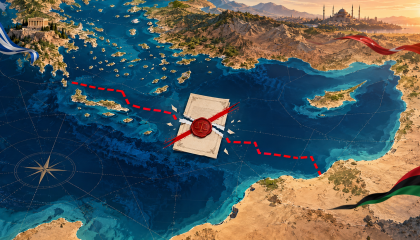
Deputy Foreign Minister Kazem Gharibabadi revealed during an interview with Iranian state television that Oman had suggested splitting the strait into two routes, with each handling 50% of shipping traffic. Tehran dismissed the plan and presented a counterproposal for a temporary arrangement where vessels would transit exclusively through Iranian territorial waters.
Strait Control and Military Response
“Iran’s policy is for the strait never to return to its prewar situation,” Gharibabadi emphasized. Rear Admiral Habibollah Sayyari, the army’s deputy chief, made Tehran’s position unmistakable. “No movement will take place in the Strait of Hormuz without Iran’s permission,” he declared.
“The Iranian Navy has full control over the eastern part of the Strait of Hormuz, the northern Indian Ocean and the Gulf of Oman.”
The IRGC separately announced it had stopped and boarded three tankers in the strait, reiterating that it retained full control of the waterway. These Hormuz statements came hours before the IRGC launched multiple ballistic missiles at US forces in Jordan in what CENTCOM described as an attempted surprise attack.
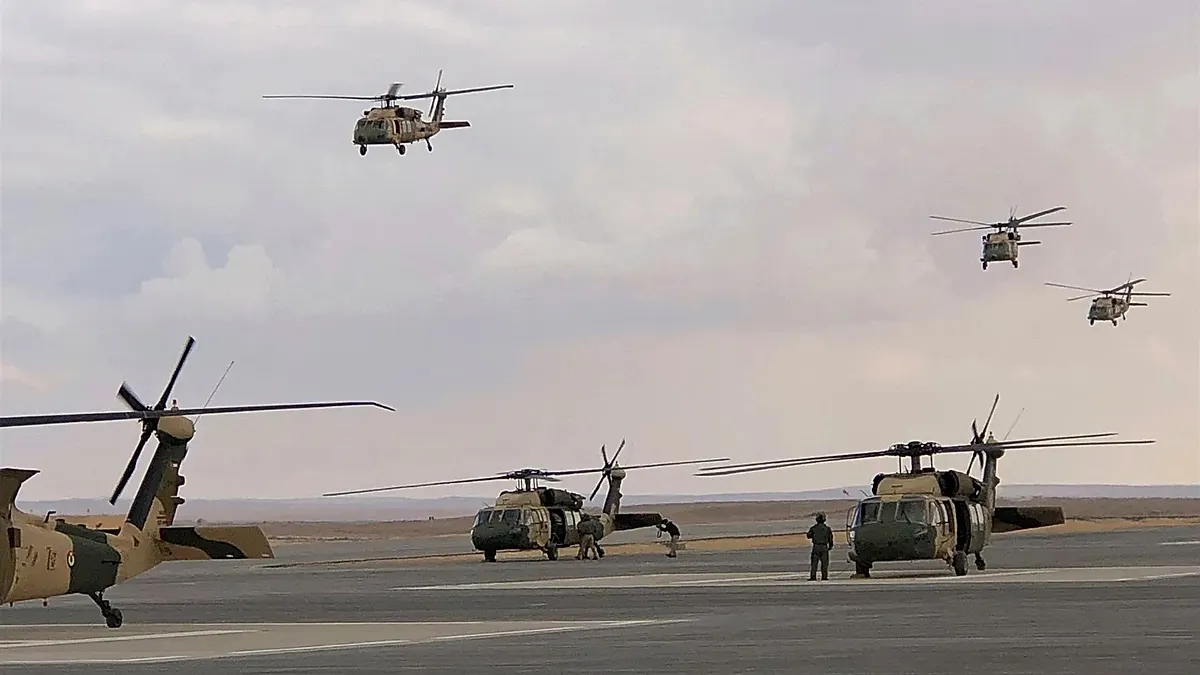
“At 5:45pm ET today, IRGC forces launched multiple ballistic missiles from Iran in an attempted surprise attack on US forces based in the Middle East,” CENTCOM reported. “All Iranian missiles were successfully intercepted.” Jordan’s army confirmed it had intercepted five Iranian missiles. The IRGC stated the strike was part of Operation Nasr 2, targeting an airbase and CENTCOM’s headquarters in Jordan.
Regional Escalation and Diplomatic Fallout
US President Donald Trump noted that US forces had only minutes to intercept the incoming missiles. Speaking to Fox News, Trump did not moderate his language. “We’ll be hitting them hard. They’re going to get a beating,” he said, adding that Washington would deliver “a hard lesson” to Iran.
Oil markets reacted immediately, with prices jumping 5% on fears of supply disruptions. Hours after intercepting the Iranian missiles in Jordan, US and Saudi fighter aircraft struck multiple logistics and weapons sites belonging to Iran-linked groups across eastern Iraq. CENTCOM reported more than 30 IRGC-directed drone attacks over the previous 72 hours as justification.
The Hashd al-Shaabi — the Popular Mobilisation Forces, a state-integrated paramilitary umbrella created in 2014 and now including Iran-backed brigades — said at least 20 of its members were killed across seven provinces including Baghdad. It denounced “a dangerous escalation” against what it described as “an official security institution.” Trump confirmed the strikes had been coordinated with Baghdad in advance.
The Iraqi presidency condemned the attacks as “an unacceptable attack and a blatant violation of Iraq’s sovereignty,” without naming the US or Saudi Arabia. Tehran-aligned factions reacted more sharply: Saraya Awliya al-Dam called for the expulsion of the Saudi ambassador and the severance of diplomatic ties, while Harakat al-Nujaba warned that Washington and Riyadh would “pay a heavy price.”
FAQ: Understanding the Iran-US Tensions
What is the Hormuz deal that Iran rejected? The Hormuz deal was an Omani proposal to divide the Strait of Hormuz into two equal shipping lanes, with each lane handling 50% of global shipping traffic. Iran rejected this plan and proposed that vessels transit exclusively through Iranian territorial waters.
What happened during the surprise strike on US forces? The IRGC launched multiple ballistic missiles from Iran at US forces in Jordan at 5:45pm ET. All Iranian missiles were successfully intercepted by US and Jordanian forces. The strike was part of Operation Nasr 2, targeting an airbase and CENTCOM’s headquarters.
How did oil markets react to these events? Oil prices jumped 5% immediately following the developments, driven by fears of potential supply disruptions through the critical Strait of Hormuz shipping route.
What is Iran’s current position on the Strait of Hormuz? Iran maintains that no movement will take place in the Strait of Hormuz without its permission. The Iranian Navy claims full control over the eastern part of the strait, the northern Indian Ocean, and the Gulf of Oman.
Are there any internal links for more information? For additional coverage, readers may refer to the original Euronews report and related Middle East analysis.