Horses, Heritage and a New Generation of Riders
Horses heritage and a new generation – For centuries, horses have been more than mere animals in Central Asia—they have been companions, workers, and symbols of cultural identity. From ancient times, they have traversed the region’s rugged terrain, aiding nomadic tribes in trade, warfare, and daily survival. Their presence has shaped the social and economic fabric of communities, while also embedding them deeply into the region’s historical narrative. Today, this legacy endures, though horses are no longer solely a practical necessity. Instead, they serve as a bridge between tradition and modernity, connecting people to their roots through sport, culture, and the art of equestrianism.
The Revival of Polo in Uzbekistan
Uzbekistan is witnessing a renaissance in equestrian sports, with polo emerging as a key focus. The game, now a global spectacle, has ancient origins in Central Asia, where it was once a sport for rulers and warriors. Known historically as Chovgan, polo’s roots trace back to the Silk Road era, when it was played by elites to demonstrate skill, strength, and unity. In recent years, the sport has gained traction in the country, with dedicated efforts to revive and sustain its legacy.
The Uzbekistan Polo Federation, established in 2020, has played a pivotal role in this revival. By expanding access to polo, the organization has introduced the sport to a new generation, particularly through riding schools and training programs. These initiatives not only teach equestrian techniques but also foster an appreciation for the historical significance of polo. As of now, eight teams compete across the nation, including women’s teams that have become a driving force in the sport’s growth.
“In Uzbekistan, polo is part of our historical heritage,” says Aziz Rustambayev, Chairman of the Polo Federation. “It is a tradition that deserves to be preserved and celebrated.”
The success of these programs is evident in the increasing number of participants and the frequency of national championships. Events are now held throughout the year, providing a platform for athletes to showcase their talent. Moreover, international partnerships have opened doors for Uzbek riders to compete abroad, further cementing the sport’s global relevance.
Shaping the Future with Women’s Participation
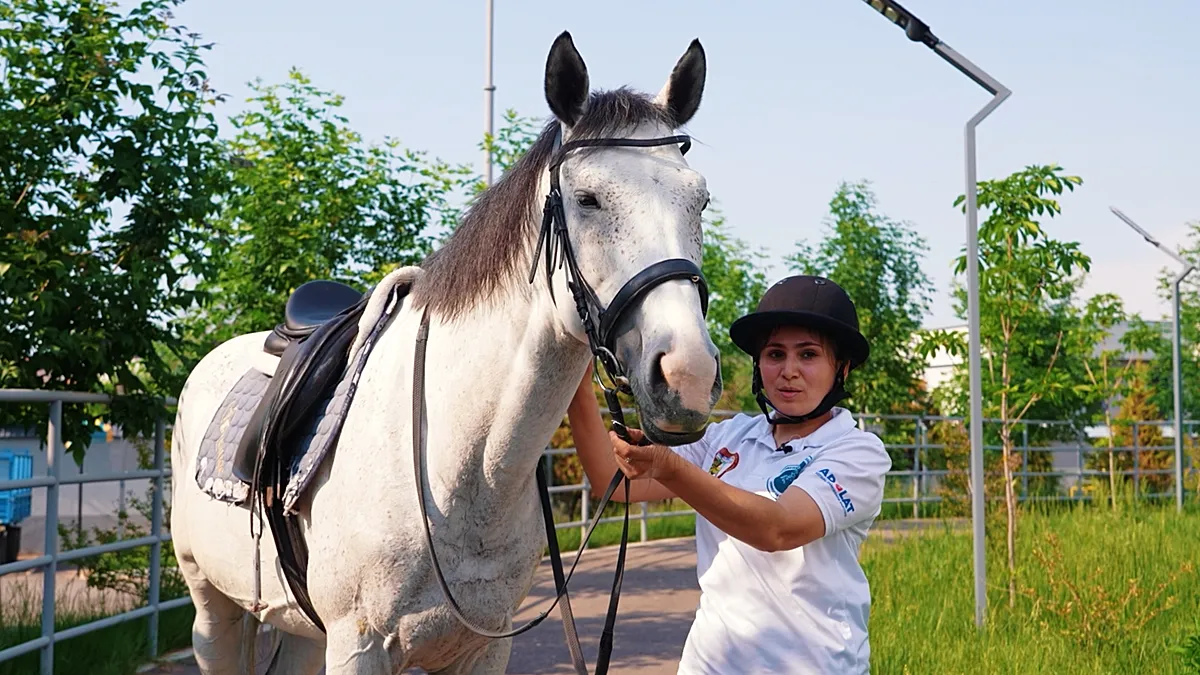
Among the figures leading this transformation is Shahnoza Sharipova, a national team rider whose journey reflects the evolving role of horses in society. Sharipova, once part of mixed-gender training groups, has become a champion for women’s polo. Her approach to the sport emphasizes the bond between rider and horse, a philosophy that underpins much of Uzbekistan’s equestrian culture.
“The best way to build a bond with a horse is to offer it a carrot or an apple and gently stroke its neck,” Sharipova explains. “Horses remember people. If you treat a horse kindly, it will never treat you badly.”
This philosophy underscores the idea that equestrianism is not just a sport but a partnership. Riders like Sharipova are not only competing but also inspiring others to embrace the same connection with their equine companions. Her experience highlights a broader movement toward inclusivity and innovation within the equestrian community, where young athletes are learning to value both skill and compassion.
Preservation Through Breeding and Education
While polo captures attention, horse breeding remains equally vital to Uzbekistan’s cultural preservation. In Surkhandarya, the Qora Bayir Horse Mastery School has taken on the mission of safeguarding one of the country’s most iconic breeds. Founded in 2021 under the National Guard, the institution blends breeding programs with rider training and educational initiatives, ensuring the survival of the Qora Bayir horse.
“The Qora Bayir horse has deep historical roots in Central Asia,” states Deputy Director Akmal Shermatov. “It is highly adaptable, exceptionally resilient, and capable of thriving in a wide range of environments.”
These horses, unlike many European breeds, are renowned for their ability to navigate diverse landscapes—from mountains and deserts to rivers and open plains. The school began with a modest 30 horses but has since expanded its breeding efforts, producing hundreds of young equines. Students here, including Sharifakhon Ibragimova, who discovered equestrianism just a year ago, are learning the ropes under the guidance of experienced instructors, riders, and veterinarians.
The Qora Bayir breed’s resilience is a testament to its importance in Central Asia’s history. It has been a cornerstone of the region’s nomadic way of life, enduring harsh conditions and adapting to the needs of its handlers. Today, the school’s focus on increasing their numbers ensures that this legacy is not only preserved but also passed on to future generations.
Traditions in Karakalpakstan
Similar efforts are underway in Karakalpakstan, where equestrian traditions remain a central part of daily life. The Equestrian School of the Republic of Karakalpakstan offers a comprehensive range of disciplines, from horse racing and polo to ulak-kupkari, tent pegging, and horseback wrestling. Here, around 70 children train each year, learning both the technical and cultural aspects of riding.
The school is home to a variety of breeds, including the prized Akhal-Teke horses, European warmbloods, and the Qora Bayir. This diversity reflects the region’s deep ties to the horse, which has long been a symbol of power, agility, and heritage. Both boys and girls participate in the program, fostering a sense of equality and shared passion.
Director Renat Joldashev notes that horses have always been an integral part of Karakalpakstan’s identity. “Our ancestors relied on them for survival,” he says. “Today, they continue to inspire our youth and strengthen our cultural pride.”
Across Uzbekistan and Karakalpakstan, these initiatives are not only reviving equestrian sports but also instilling a sense of pride in the country’s rich horse-related heritage. By combining education, breeding, and community engagement, they are ensuring that the next generation grows up with a deep understanding of the role horses have played in shaping Central Asia’s history. As the demand for equestrian opportunities rises, so too does the potential for these traditions to thrive in the modern world.