Grand Voyager | Exploring Nairobi
Grand Voyager – Kenya, a nation renowned globally for its breathtaking wildlife, vibrant cultural heritage, and expansive agricultural lands, has long captivated the imagination of travelers. Its reputation as a haven for adventure seekers and nature lovers is well-earned, but the country’s capital, Nairobi, offers a different kind of allure. Nestled at the intersection of urban vibrancy and natural wonder, Nairobi is emerging as a destination that seamlessly blends modernity with the wild, inviting explorers to uncover its hidden stories.
In this episode of Grand Voyager, Lilly Douse embarks on a journey to reveal the city’s multifaceted charm. From its bustling streets to serene landscapes, Nairobi is a place where the rhythms of everyday life coexist with the pulse of the wild. The episode highlights not only the well-known landmarks but also the lesser-explored corners that showcase the city’s unique character.
Nairobi’s Unique Wildlife Proximity
Nairobi is one of the few places in the world where visitors can experience wildlife so close to a major city.
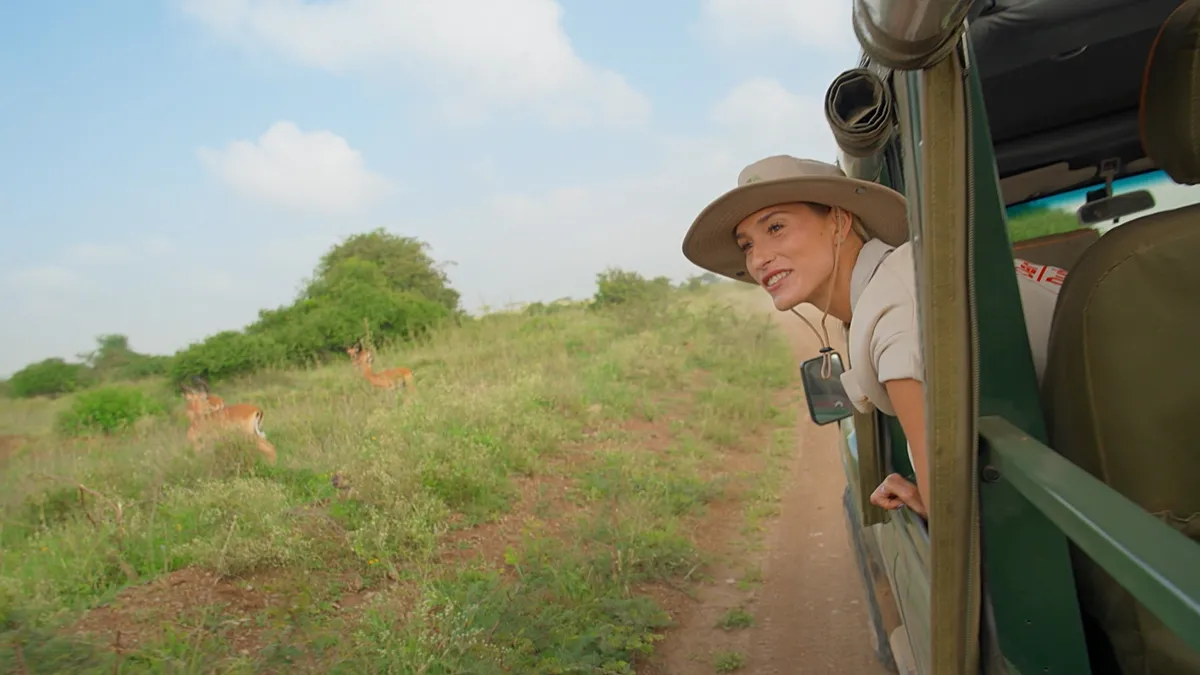
While many travelers associate Kenya with the vast savannahs of the Maasai Mara or the snow-capped peaks of Mount Kenya, Nairobi stands apart. Just 8 kilometers from the city center lies Nairobi National Park, a rare example of a protected area that thrives within an urban setting. This park, established in 1946, serves as a vital sanctuary for over 40,000 animals, including lions, elephants, and rhinos. Its existence challenges the notion that wilderness and civilization must be worlds apart, offering a glimpse into the raw beauty of nature amid the hum of city life.
Lilly’s exploration begins here, where she immerses herself in the park’s rugged terrain. Guided by the sounds of wildlife and the golden hues of the savannah, she witnesses the daily lives of animals that roam freely, their movements dictated by the rhythms of the wild. The park’s blend of open plains, acacia trees, and riverine habitats creates an environment where predators and prey share the same space, making it a living classroom for those eager to understand Kenya’s ecological balance.
Nairobi Animal Orphanage
After leaving the national park, Lilly ventures to the Nairobi Animal Orphanage, a place where the city’s connection to wildlife extends beyond the natural environment. Founded in 1983, this sanctuary rescues animals injured by human activity, providing them with a second chance at survival. Among the rescued are orphaned elephants, cheetahs, and gazelles, each with a story of hardship and hope.
Here, Lilly meets the dedicated staff who care for these creatures, learning about rehabilitation efforts and the challenges of reintroducing them to the wild. The orphanage’s role as a conservation hub is underscored by its partnerships with local and international wildlife organizations. For Lilly, this stop is more than a visit—it’s a reminder of the city’s role as a guardian of biodiversity, where urban infrastructure and ecological preservation find common ground.
Local Coffee Farm
Her journey then takes her to a family-owned coffee farm nestled in the foothills of the Aberdare Range. This region, known for its fertile soil and cool climate, is the birthplace of Kenya’s famed coffee beans, which carry the distinct flavor profile of the country’s terroir. The farm, operated by a third-generation grower, offers a behind-the-scenes look at the meticulous process of cultivating and processing coffee, from hand-picking ripe cherries to sun-drying them on large wooden patios.
Lilly documents the labor-intensive steps involved in transforming coffee beans into the rich, aromatic brew that has become a symbol of Kenyan craftsmanship. She learns about the traditional methods passed down through generations, as well as the modern techniques that help sustain the industry. This stop highlights the economic and cultural significance of coffee, a crop that not only fuels the nation’s economy but also reflects the resilience and innovation of its people.
Handmade Crafts Inspired by Tribal Traditions
As the day winds down, Lilly delves into Nairobi’s creative heart, where artisans preserve and reinterpret the country’s tribal traditions. In a tucked-away workshop, she meets a group of beadwork experts from the Kikuyu community, whose intricate designs have been a cornerstone of Kenyan craftsmanship for centuries. The workshop is alive with the clink of glass beads, the scent of natural dyes, and the vibrant colors that tell stories of identity and heritage.
She also visits a nearby carving studio, where Maasai artists transform local wood into elaborate sculptures. These pieces, often depicting animals or ancestral symbols, are not just art but a dialogue between past and present. Lilly’s interactions with the artisans reveal the deep respect they hold for their cultural roots, as well as their efforts to adapt these traditions to contemporary markets. It’s a testament to Nairobi’s ability to foster innovation while honoring its indigenous legacy.
Throughout the episode, Lilly captures the essence of a city that is both a gateway to Africa’s wilds and a hub of human creativity. From the untamed savannah to the quiet hum of a coffee farm, and from the delicate beadwork to the robust flavors of Kenyan coffee, Nairobi offers a tapestry of experiences that reflect its role as a dynamic cultural and ecological crossroads. The journey underscores the idea that travel is not just about seeing new places, but about connecting with the people and traditions that shape them.