From Florence to Crete: 11 European hotels among the world’s best new stays
From Florence to Crete – Travelers are now seeking more than just luxurious accommodations and top-tier service. A recent list from Afar magazine showcases the 40 most outstanding new and reimagined hotels globally, emphasizing properties that embody the essence of their regions. Among these standout selections, 11 are located in Europe, spanning from historic restorations to innovative openings in lesser-known destinations. These hotels not only redefine hospitality but also offer immersive experiences that connect guests with the local culture and natural surroundings.
Restored Landmarks in Florence
Outside the historic city of Florence, a newly revitalized hotel has emerged in a group of 16th-century buildings that once housed a school. This spot blends the vibrant energy of the city with the serene charm of Tuscany’s countryside. The 83 rooms and suites feature original architectural details, creating a unique atmosphere that feels both timeless and contemporary. Guests can enjoy panoramic views of the Duomo and the rolling hills beyond, along with a spa, a lap pool, and a cocktail bar nestled in the former office of the school’s principal. This transformation marks a return to elegance in a region where tradition and modernity often coexist.
Milan’s Revitalized Elegance
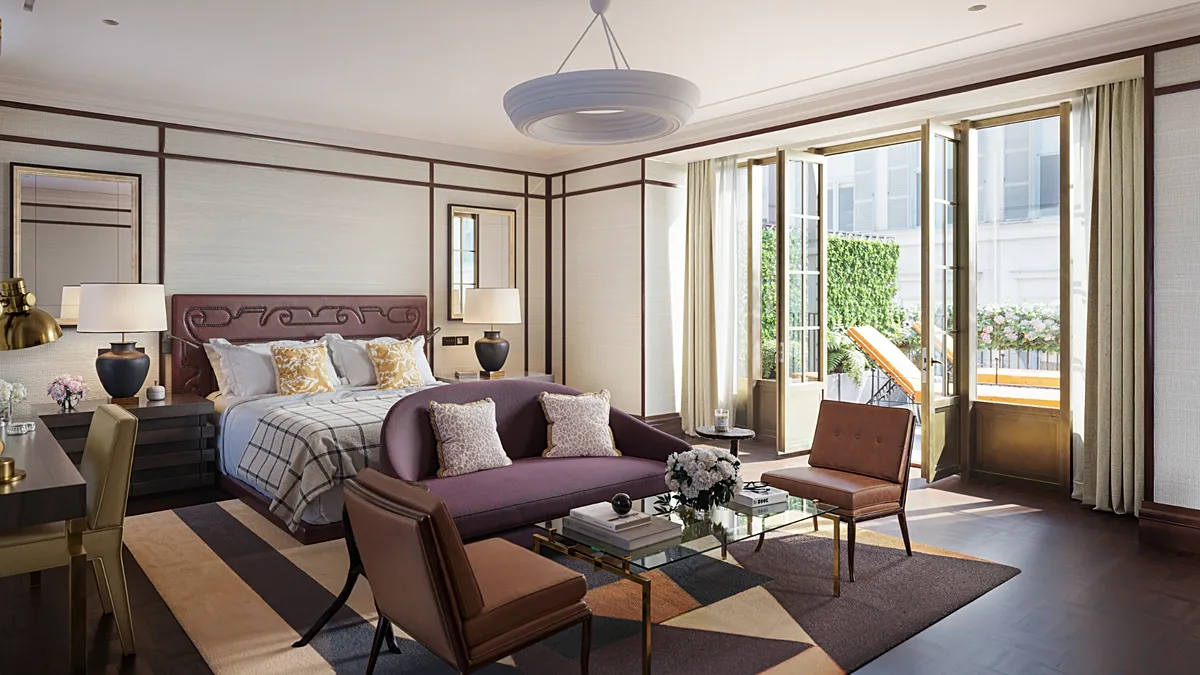
After a five-year restoration, the iconic Carlton hotel in Milan has reestablished itself as a premier destination. Rocco Forte Hotels has meticulously updated the 1960s-era building, drawing inspiration from the city’s artistic heritage. The design pays homage to legendary figures like Gio Ponti, who was born and passed away in Milan. The interiors are a harmonious blend of stylish modern elements and historical nods, with contributions from renowned designers such as Philip Vergeylen and Paolo Moschino. This revival underscores Milan’s enduring appeal as a hub for sophistication and innovation.
Swiss Alpine Retreat
In the heart of Switzerland’s Engadin Valley lies Chesa Marchetta, a rustic yet refined haven that celebrates the region’s alpine charm. The hotel is housed in a 16th-century farmhouse, a project by Artfarm, a hospitality brand founded by gallerists Iwan and Manuela Wirth. Each of the 13 bedrooms is adorned with traditional Swiss and Italian furnishings, complemented by local artwork that adds character to the space. The on-site restaurant highlights the seasonality of local ingredients, offering a menu that fuses Alpine and Italian culinary traditions. This blend of history and modernity ensures a memorable stay for those seeking the tranquility of the Swiss mountains.
Bucharest’s Belle Époque Revival
The Corinthia Grand Hotel du Boulevard in Bucharest, originally opened in 1867, has been transformed into a 30-suite luxury retreat. The historic building, once a hub for royal events and glamorous social gatherings, now combines the elegance of the Belle Époque era with contemporary comforts. Its central location in the city makes it an ideal base for exploring the old town, its grand architecture, and the independent eateries that have become symbols of Bucharest’s growing reputation as a cultural destination. The hotel’s design reflects a seamless integration of past and present, offering a new chapter for one of Romania’s most iconic landmarks.
Frankfurt’s Cultural Transformation
Located in the Sachsenhausen district of Frankfurt, The Florentin hotel has redefined the city’s hospitality scene. The venue is housed in a grand 1901 banking mansion, now reborn as a cultural and design-focused space. This renovation brings a fresh, artistic flair to a city traditionally associated with business travel. The interiors are warm and inviting, while the hotel’s restaurant, Dune, has become a hot topic among locals and visitors alike. Its opening coincides with Frankfurt’s designation as the World Design Capital in 2026, signaling a shift toward the city’s emerging identity as a cultural hotspot.
Devon’s Rural Escape
Nestled on a sprawling 450-acre estate near Dartmoor National Park, Fowlescombe Farm offers a retreat to the rhythms of the English countryside. The 10 suites are distributed across converted barns and outbuildings, each designed to reflect the surrounding landscape. The interiors incorporate elements directly sourced from the estate, creating a sense of place that feels deeply rooted in the region. Guests can spend their days exploring the moors, joining yoga sessions in a greenhouse, or savoring meals made with ingredients grown on-site. This hotel epitomizes the slow-living ethos of the area, providing a sanctuary away from urban distractions.
French Coastal Discovery
“Why we chose it: For revealing a different side of the French coast, far from the familiar Mediterranean.”
Perched on the Pink Granite Coast of Brittany, Les Bassans occupies a charming 1920s villa that overlooks the sea. As the first property in the Fontenille Collection in the region, it invites travelers to explore one of France’s more underrated coastal areas. The dramatic rock formations, seabirds, and scenic walking trails are the true stars of the location, offering a stark contrast to the crowded Mediterranean resorts. The hotel’s stylish interiors and sea views from every room provide a serene alternative to the usual beachfront experiences, making it a must-visit for those seeking authenticity.
London’s Fitzrovia Revival
In the often-overlooked Fitzrovia neighborhood of London, The Newman honors the area’s independent spirit and creative history. The Art Deco-inspired design, paired with photographs of local residents, gives the hotel a personal and community-centric vibe. Its 1930s-inspired Gambit Bar is crafted to appeal to both residents and tourists, serving as a social hub that reflects the neighborhood’s artistic character. Just a short walk away are some of the city’s best bakeries, cafés, and restaurants, ensuring that visitors have easy access to the local culinary scene. This hotel captures the essence of Fitzrovia’s evolving cultural identity.
Design and Culture in the City of Rome
Orient Express La Minerva is a testament to the enduring legacy of the iconic Orient Express brand. Situated in a former noble residence, the hotel seamlessly marries Roman grandeur with Italian design touches. Its interiors echo the opulence of the historic train service that inspired its creation, while the location near the Pantheon adds to its appeal. The hotel’s presence in Rome highlights the city’s rich heritage, offering guests a chance to experience a bygone era while enjoying modern amenities and exceptional service.
Final Thoughts on European Hospitality
These 11 European hotels exemplify how the continent continues to lead in innovation and preservation. From the Tuscany hills to the Swiss valleys and the bustling streets of Milan, each property offers a unique narrative that aligns with its surroundings. Their success reflects a growing trend in travel: the desire for spaces that are not just places to stay, but gateways to deeper cultural and natural experiences. Whether through architectural history, local art, or serene landscapes, these hotels are redefining what it means to explore Europe in the 21st century.