Italy’s Summer Tourism Surge: Ferragosto Drives Record Numbers
Usagevpn.com – As temperatures soar across the Mediterranean, Italy is simultaneously experiencing two defining features of its summer season: intense heatwaves and the beloved Ferragosto holiday period. Industry projections from CNA Turismo e Commercio indicate that the window between August 1 and August 23 will welcome approximately 17.4 million visitors throughout the country. This impressive figure encompasses 8.4 million Italian travelers alongside 9 million international guests seeking to experience the Italian summer.
The typical visitor plans to remain in Italy for roughly 4.5 nights during this peak period. Their direct expenditures are projected to surpass the €9 billion mark, representing a substantial injection of capital into local economies. When broader economic effects are factored in—spanning hospitality, dining establishments, retail outlets, artisanal businesses, and cultural venues—the cumulative financial impact could exceed €15 billion for the month of August alone.
Shifting Travel Patterns Emerge
These Ferragosto projections sit within a larger seasonal narrative. Forecasts suggest the July through September quarter may record over 224 million overnight stays collectively, with total visitor spending approaching €27 billion. Nevertheless, an EMG survey reveals that traveler behavior is evolving. Fewer than 40 percent of vacationers now schedule their departures for August, preferring instead to explore Italy during June, July, or September to avoid peak crowds and potentially lower costs.
The survey data illuminates this redistribution pattern clearly. Nearly 12.3 million Italians have already completed their summer journeys by July, while an additional 8.2 million plan September travel. This gradual shift away from concentrated August holidays reflects trends observed over recent years, as families and individuals seek more balanced vacation timing.
Domestic travel remains dominant among Italian tourists, though 6.2 million will venture to other European nations. Spain, Greece, and France emerge as the primary international destinations for Italian travelers. Financial analysis indicates that transportation and lodging expenses average €939 per person. Mobility preferences show strong inclination toward personal vehicles, with 55.5 percent of respondents favoring car trips. Air travel ranks as the secondary choice.
Accommodation and Destination Preferences
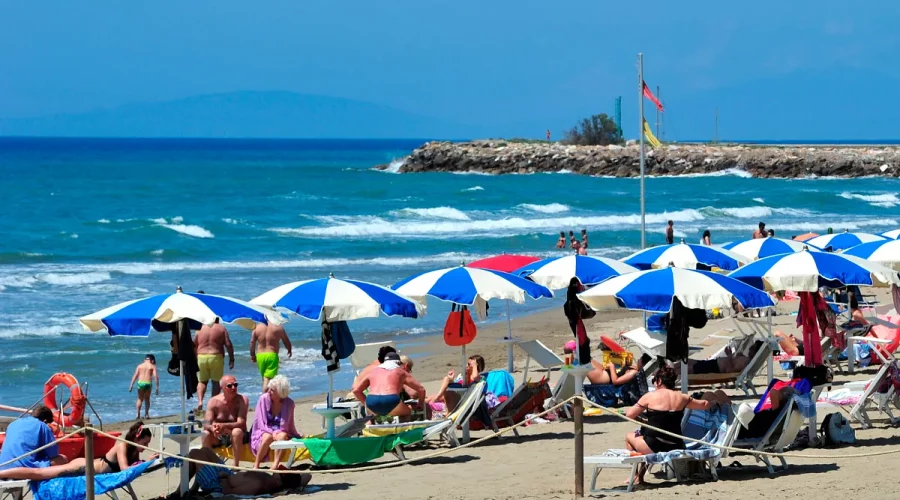
Holiday rentals have captured significant market share, with 7.6 million Italians—representing 28.9 percent of all vacationers—selecting this option. Traditional accommodations, which include hotels, agriturismos, and bed-and-breakfast establishments, account for 38.2 percent of bookings, serving approximately 11 million travelers. Geographic preferences continue to favor coastal locations, urban centers, and historic settlements, though mountain regions, lake districts, and thermal towns also attract considerable attention.
Experiential tourism is gaining momentum. Activities such as hiking, cycling, concert attendance, festival participation, culinary exhibitions, and theatrical performances increasingly influence destination selection. Italy’s renowned gastronomy, wine production, artisanal crafts, and historical legacy remain fundamental factors in traveler decision-making processes.
Regional highlights include Rome’s enduring international appeal, complemented by Lazio’s coastal and rural areas, the Conero Riviera, Costa dei Trabocchi, Gran Sasso territory, and Molise’s shoreline. Southern destinations like the Amalfi Coast, Salento peninsula, Tropea, Costa degli Dei, Matera, and the Lucanian Dolomites maintain strong demand. Sardinia and Liguria, particularly the Riviera dei Fiori, lead the seaside resort category.
International Performance Indicators
Foreign visitor metrics provide additional context for Italy’s tourism strength. Bank of Italy statistics show that 2025 total spending reached nearly €57 billion, marking a 4.8 percent year-over-year growth. This financial expansion correlates with 477 million overnight stays and 185 million accommodation check-ins across the country.
Early 2026 figures reinforce positive momentum. The Interior Ministry documented a 4.43 percent arrival increase during the first half of the year compared to the previous period. Foreign arrivals grew by 6.45 percent, while domestic travel expanded by 1.97 percent. Spending patterns reveal that international visitors contributed €4.5 billion to the Italian economy—a 2.1 percent rise—while Italian travelers spent €2.7 billion abroad, representing a 1.6 percent decline from April 2025 levels.
European traveler surveys confirm Italy’s competitive advantage. Fifty-four percent of European vacationers identify Italy as their top summer 2026 destination, surpassing Spain at 51 percent, Greece at 46 percent, and France at 41 percent. The Tourism Ministry notes that coastal locations drive accommodation demand, achieving an 82 percent occupancy rate based on available versus occupied beds.
Related Reading
Frequently Asked Questions
What is Summer 2026?
Summer 2026 is the main topic of this guide. The article explains the context, practical details, and next steps readers should understand.
Why does Summer 2026 matter?
Summer 2026 matters because readers are looking for a useful answer, not just a short summary. Good content should match search intent and help them decide what to do next.