Europe Summer Travel Trends: Short Breaks and Coolcations Drive Demand
Europe summer travel trends – As Europe’s summer season peaks, the travel scene is witnessing a notable shift. Despite ongoing uncertainties like fluctuating fuel costs, evolving travel restrictions, and geopolitical tensions, people are still eager to explore. A recent analysis by Trip.com reveals that the demand for flexible, shorter trips is on the rise, with travelers opting for quick getaways lasting four days or less. Meanwhile, the term “coolcations” has gained momentum, reflecting a growing trend to seek cooler destinations for respite from extreme heat. These evolving preferences are reshaping how Europeans plan their vacations, emphasizing convenience, family time, and climate considerations.
Short Breaks: A Rise in Flexibility
Travelers are increasingly choosing shorter vacations to fit their busy schedules and reduce costs. According to Trip.com, the average duration of bookings between June and August has decreased, ranging from 2.92 to 3.8 days. This trend highlights a demand for compact trips that blend work and leisure, allowing people to take advantage of long weekends. Short-haul flights have become a key part of this movement, with a 73% year-on-year increase in bookings. The appeal lies in the ability to enjoy a few days of relaxation without committing to lengthy stays, making it easier for families and individuals to plan spontaneous outings.
For many, the balance between practicality and quality time is driving this shift. Older Millennials, aged 35 to 44, are prioritizing destinations that cater to both convenience and engagement. They often combine paid leave with weekends to create efficient, yet fulfilling, travel itineraries. This approach not only aligns with the “Europe summer travel trends” of flexibility but also reflects a growing awareness of the importance of time management in modern lifestyles. As a result, more travelers are turning to short breaks to maximize their holiday experiences without sacrificing productivity.
Family-Focused Travel: A Growing Priority
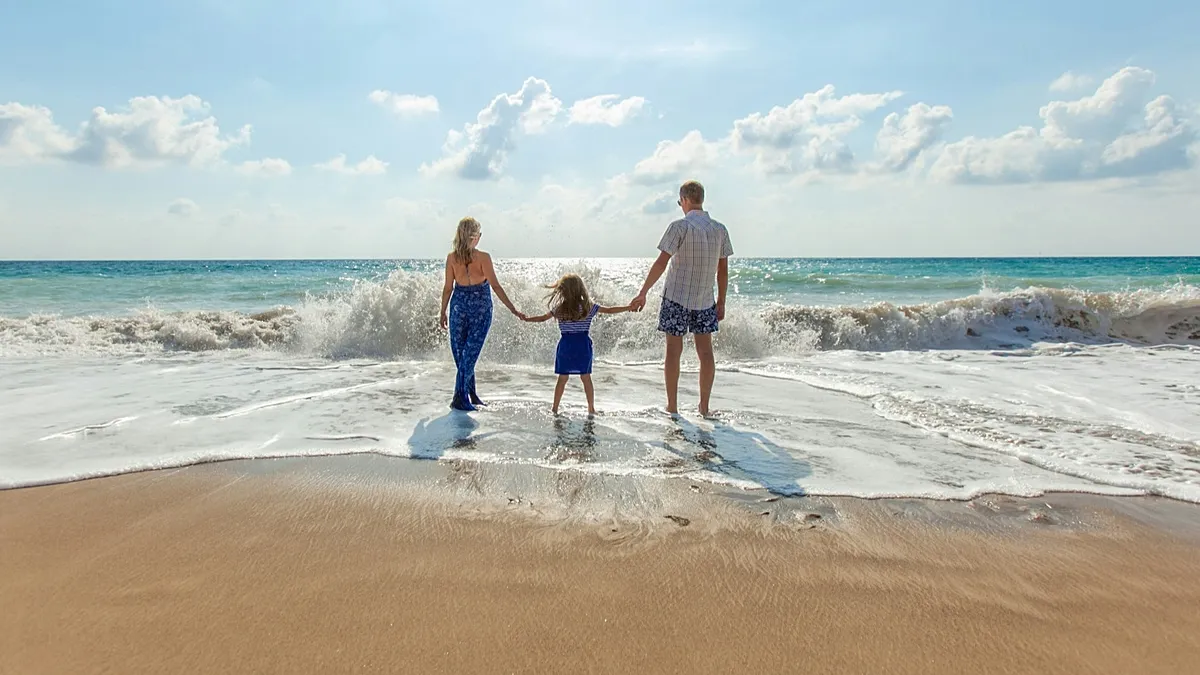
Family holidays are emerging as the most popular type of vacation, surpassing solo or partner trips in demand. Trip.com’s data shows that bookings for family-centric experiences have increased significantly, particularly in the UK and Germany. These destinations often feature amenities tailored to younger travelers, such as child-friendly activities and accessible dining options. The focus is on creating inclusive environments where every family member can enjoy the journey. This trend underscores the evolving priorities of travelers, who now value shared adventures over individual exploration.
Parents report that family trips foster stronger bonds and lasting memories, which are harder to achieve in other formats. The “Europe summer travel trends” include a growing emphasis on planning that accommodates all ages, ensuring that travel plans are both practical and enjoyable. This shift is also influenced by the need for stability—families are seeking destinations that offer a sense of security, especially in times of uncertainty. As a result, hotel bookings for family holidays have surged, reflecting a clear preference for locations that provide comfort, safety, and activities for every age group.
Coolcations: Climate-Driven Travel Choices
The heatwave sweeping across Europe has sparked a trend toward cooler destinations. Trip.com reports that searches for “coolcations” have increased by 74% year-on-year, indicating a strong preference for places offering relief from high temperatures. Coastal areas remain a top choice, but the appeal is also expanding to countries like Iceland, Norway, Slovenia, and Wales, which provide refreshing climates and scenic landscapes. This movement highlights how weather conditions are shaping the “Europe summer travel trends” of the season, with travelers prioritizing comfort and tranquility over traditional beach destinations.
These cooler locations are not only attracting attention for their pleasant climates but also for their unique offerings. From serene alpine retreats to coastal escapes with breezy vistas, the trend reflects a desire for restful experiences. Search terms like “escape the heat” and “summer retreats” are increasingly used to identify ideal spots, showing how climate considerations are becoming a critical factor in travel decisions. This shift is particularly evident in regions where the heatwave has disrupted conventional plans, prompting a search for alternatives that ensure a more enjoyable and comfortable getaway.