Nawrocki Invites Four Presidents to Informal Summit Amid Dispute with Zelenskyy
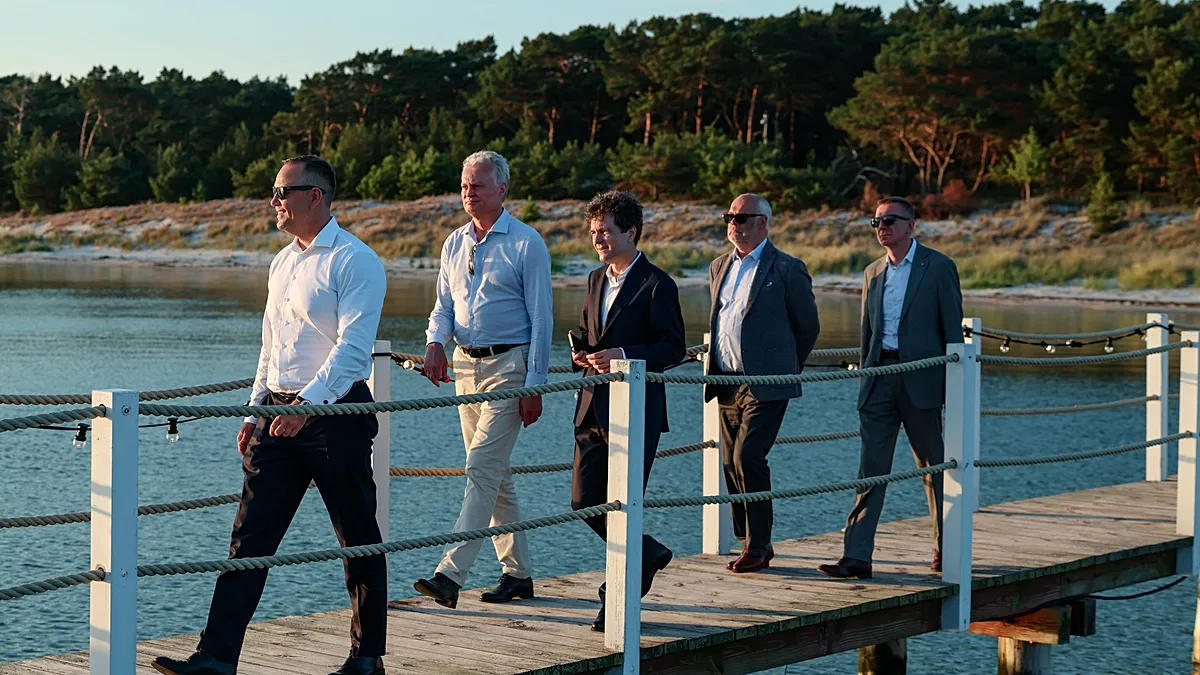
Nawrocki invites four presidents to informal – The presidents of Poland, Lithuania, Latvia, Estonia, and Romania convened at the presidential residence in Jurata, hosted by Polish President Karol Nawrocki, in a bid to strengthen regional alliances. This gathering occurred just weeks before the NATO summit in Ankara, Turkey, which will bring together leaders from across the alliance to address pressing security concerns. The informal meeting marked a significant step in coordinating joint strategies as the geopolitical landscape in Eastern Europe continues to shift rapidly.
Regional Cooperation and Security Priorities
Key discussions during the summit centered on fostering unity among the Baltic and Black Sea states, with a focus on shared security challenges. The participants emphasized the importance of aligning priorities to ensure the stability of their borders, particularly in light of ongoing tensions in the region. Topics included the reinforcement of NATO’s eastern flank, a critical issue as the alliance seeks to counter Russian influence in the area. Additionally, the group explored ways to enhance Europe’s defense capabilities, including investments in military infrastructure and joint operational readiness.
Transatlantic relations were also a central theme, with leaders examining the broader implications of U.S.-European collaboration in foreign policy and defense. The Bucharest Nine, a group of nine European nations, and the Three Seas Initiative, which promotes economic and infrastructure cooperation among the Baltic and Adriatic states, were highlighted as platforms for advancing these goals. Energy and transport infrastructure development emerged as another priority, with the participants aiming to create a more resilient and interconnected regional network to reduce dependency on external suppliers.
The meeting was framed as a strategic opportunity to address the European Union’s evolving challenges, particularly its response to the ongoing war in Ukraine and the broader implications for European security. The leaders acknowledged the need for a unified approach to navigate the complexities of the post-war era, ensuring the bloc remains cohesive in the face of emerging threats. The discussions underscored the importance of maintaining strong diplomatic ties while safeguarding national interests.
Visit to Gdynia Naval Port
Before the summit commenced, the presidents participated in a visit to the Naval Port in Gdynia, a hub for maritime operations and defense logistics. The trip was designed to foster a deeper understanding of Poland’s military capabilities and its role in securing the Baltic Sea region. During the visit, the leaders observed naval exercises and infrastructure projects, which were seen as practical steps toward reinforcing regional defense mechanisms. This activity provided a backdrop for the summit, reinforcing the shared commitment to security and cooperation.
The visit to Gdynia also symbolized the interconnectedness of the participating nations, with each leader highlighting the strategic significance of the port in their respective national defense plans. As the Baltic states seek to bolster their collective defense, the naval port became a focal point for discussions on how to integrate military resources and enhance joint operations. The event was widely covered in the media, with analysts noting its importance in demonstrating the group’s solidarity.
Dispute Over Historical Narratives
Amid the summit’s agenda, the issue of deteriorating relations between Poland and Ukraine took center stage. The disagreement stemmed from Ukraine’s President Volodymyr Zelenskyy’s decision to rename a military unit “Heroes of the UPA,” a move that has sparked controversy in Poland. The UPA, or Ukrainian Insurgent Army, is historically linked to the OUN, an organization accused of orchestrating the Volhynia massacre, which resulted in the ethnic cleansing of thousands of Polish civilians between 1943 and 1945. This decision has been interpreted as a symbolic attempt to rehabilitate the UPA’s image, igniting a heated debate over historical accountability.
“In an informal setting, we will also talk about this issue, which is extremely important to me,” stated Lithuanian President Gitanas Nausėda, who had previously expressed his willingness to act as a mediator between Warsaw and Kyiv. Nausėda stressed the urgency of resolving the conflict, emphasizing that while the past holds significance, the present moment demands immediate action, especially with Russia’s war on Ukraine still in progress.
The dispute has escalated since Zelenskyy’s announcement, drawing sharp criticism from Polish officials. Prime Minister Donald Tusk, along with Deputy Prime Minister and Defence Minister Władysław Kosiniak-Kamysz, and Deputy Prime Minister and Foreign Minister Radosław Sikorski, have all publicly condemned the decision. Nawrocki, the summit’s host, took a decisive step by stripping Zelenskyy of the Order of the White Eagle, Poland’s highest state honor. The Ukrainian president, in turn, returned the award to Warsaw via courier, signaling a gesture of goodwill but not fully resolving the underlying tensions.
The controversy has deep historical roots, as the OUN and UPA are often associated with the mass killings of Polish civilians during World War II. While Ukraine views these groups as heroes in the fight for independence, Poland sees them as responsible for the atrocities that led to the displacement of many ethnic Poles. This divergence in historical interpretation has fueled ongoing disputes, with the current summit serving as a platform to address these differences and seek a path forward.
Broader Implications for European Unity
The summit’s focus on the OUN and UPA dispute reflects the broader challenges facing European unity. As nations grapple with conflicting narratives, the need for dialogue becomes paramount. The leaders recognized that resolving historical grievances is essential for fostering trust and cooperation, particularly in an era of heightened geopolitical competition. By bringing together their perspectives, the summit aims to lay the groundwork for a more harmonious relationship between Poland and Ukraine, ensuring that their partnership remains resilient despite current tensions.
While the summit did not produce immediate solutions, it provided a critical opportunity to align positions ahead of the NATO meeting in Ankara. The participants acknowledged that the conflict with Zelenskyy is not just a bilateral issue but has implications for the entire European security framework. The discussions highlighted the importance of maintaining a cohesive front against external threats, even as internal disputes continue to shape the region’s dynamics. The outcome of this meeting will likely influence the broader NATO strategy, particularly in how the alliance addresses the historical dimension of the war in Ukraine.
As the leaders departed Jurata, they expressed hope that the summit would pave the way for constructive dialogue. The meeting served as a reminder of the delicate balance between historical memory and present-day cooperation, underscoring the need for a nuanced approach to resolving disputes. With the NATO summit approaching, the decisions made at Jurata could have far-reaching consequences for the future of European alliances and the stability of the region.