Ceuta’s Health System Under Strain as Madrid Activates Emergency Vaccine Protocol
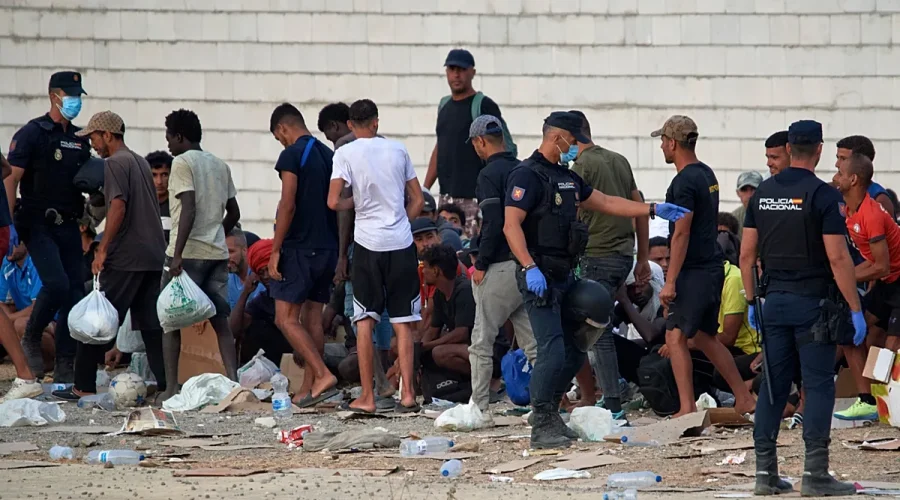
Usagevpn.com – Spain’s autonomous city of Ceuta, a small enclave on the North African coast, has become the focal point of an urgent public-health intervention after weeks of mass crossings from Morocco left thousands of migrants stranded in conditions that stretched local medical capacity to its limits. The national Health Ministry has convened an extraordinary session of the Public Health Commission, bringing together representatives from every autonomous community and city to coordinate a pooled vaccine supply directed at the people still sheltered in Ceuta following the surge recorded at the close of July.
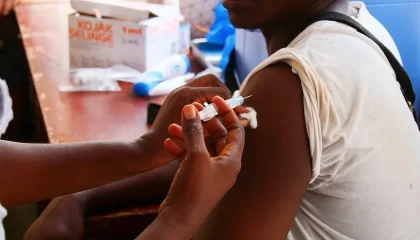
The videoconference is scheduled for Monday, 24 August, at midday. Its agenda carries a single item: the activation of what officials describe as a “solidarity mechanism for vaccines in relation to the situation in Ceuta.” In practical terms, this means that regions with surplus immunisation stock will transfer doses to the enclave so that the migrants remaining there can be protected against a range of vaccine-preventable infections before they are relocated or integrated into other parts of the country.
Which Vaccines Are in Scope
The Ministry’s plan centres on the measles, mumps and rubella (MMR) combination shot, a cornerstone of routine childhood immunisation that also serves adults who lack documented prior vaccination. Beyond MMR, authorities are weighing additional doses for chickenpox, poliomyelitis, tetanus and diphtheria. Each of these diseases can spread rapidly in crowded, poorly ventilated settings, making the timing of immunisation critical while large numbers of people remain in temporary accommodation.
Ceuta’s position as a Spanish territory bordered by Morocco makes it a recurring entry point for migrants attempting to reach European soil. The crossings that peaked in late July added thousands of arrivals within days, overwhelming shelters, schools converted into reception centres, and the limited number of primary-care clinics available in a city of roughly 85,000 permanent residents.
Scale of Medical Demand
The numbers compiled by the National Institute of Health Management (Ingesa) illustrate how quickly the system was pushed beyond normal throughput. Between 31 July and 14 August, the institute logged 5,801 medical attendances directly linked to the migration crisis. The single-day peak arrived on 31 July itself, when 1,149 patients were seen in one shift — a volume that would strain a mid-sized hospital’s emergency department, let alone a small enclave’s primary-care network.
Parallel to the official tally, the Spanish Red Cross mounted a field operation on Trampolín beach, the stretch of shoreline where many of the crossings occurred. That temporary clinic delivered more than 2,500 additional consultations, effectively doubling the total number of people receiving some form of medical attention during the two-week window.
Tuberculosis, Scabies and Other Infections
Among the conditions identified, two confirmed cases of tuberculosis have been reported, alongside 18 minors who returned a positive Mantoux skin test — an indicator of exposure to the bacterium that requires further diagnostic workup to determine whether active infection is present. Tuberculosis transmits through airborne droplets and tends to cluster in enclosed, overcrowded spaces, which explains why the Ministry is prioritising rapid screening and, where indicated, treatment.
Scabies has emerged as another notable concern. Healthcare workers treating the migrant population have recorded consultations for the parasitic skin infestation, as well as for gastroenteritis and impetigo (a superficial bacterial skin infection common where hygiene facilities are scarce). The problem is not confined to the migrant community: the Spanish Army has documented at least 24 scabies cases among its own personnel stationed at the General Command in Ceuta, suggesting that the infestation has crossed into the local workforce.
Epidemiological Context
The Spanish Society of Epidemiology has issued a caution against framing these infections as inherently tied to migrant status. The society emphasises that the underlying drivers are environmental — overcrowding, inadequate sanitation, limited access to clean water and medical supplies — rather than the nationality or origin of the affected individuals. In other words, the same conditions would produce similar disease patterns in any population subjected to them, whether in a temporary shelter, a refugee camp, or a densely packed urban neighbourhood lacking basic infrastructure.
This distinction matters for both policy and public perception. It shifts the response from a purely humanitarian gesture toward a structural one: improving ventilation, spacing out sleeping arrangements, ensuring regular access to bathing facilities, and guaranteeing that primary-care follow-up continues after the initial surge subsides. The vaccine solidarity mechanism addresses the immunisation gap, but it operates alongside, not instead of, those environmental corrections.
For Ceuta’s residents, the episode underscores a recurring vulnerability: a territory of modest size and limited hospital beds, positioned at the geographic seam between two continents, where a single weekend of crossings can transform the local health landscape within days. The Monday videoconference will determine how quickly the rest of Spain’s autonomous communities can close the immunisation gap and help the enclave return to routine service levels.
Related Reading
Frequently Asked Questions
What is Health ministry mobilises vaccines to Ceuta?
Health ministry mobilises vaccines to Ceuta is the main topic of this guide. The article explains the context, practical details, and next steps readers should understand.
Why does Health ministry mobilises vaccines to Ceuta matter?
Health ministry mobilises vaccines to Ceuta matters because readers are looking for a useful answer, not just a short summary. Good content should match search intent and help them decide what to do next.