Pollution Exposure May Be an Overlooked Factor in Suicide Risk
Usagevpn.com – Environmental conditions may play a meaningful role in mental health, with new research linking exposure to several forms of pollution to a greater risk of suicidal thoughts, suicide attempts and death by suicide.
The findings, published in the Journal of Epidemiology & Community Health, add to growing evidence that the places where people live, work and travel can affect psychological wellbeing alongside personal, social and biological influences.
Evidence across multiple pollutants
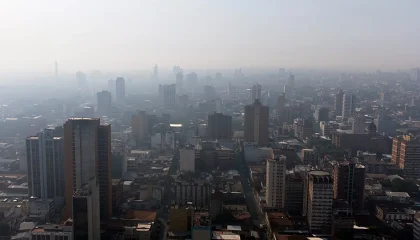
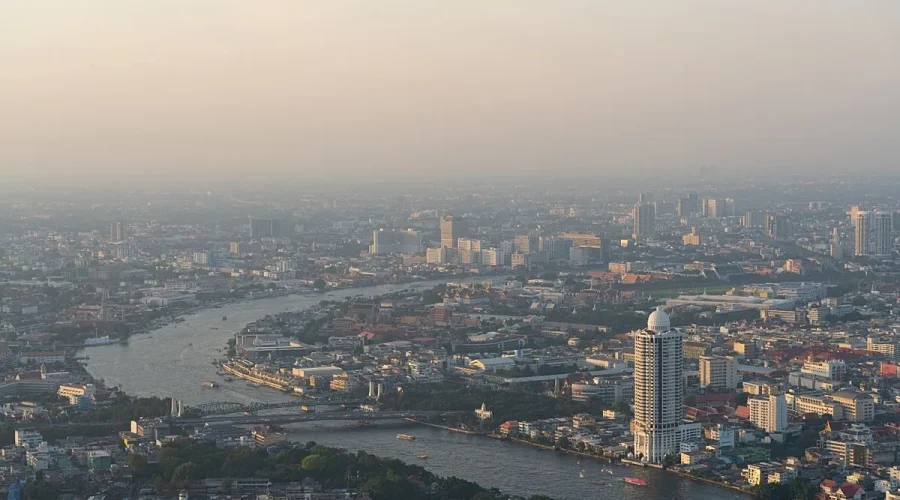
Researchers reviewed more than 40 studies that explored possible relationships between environmental pollution and suicide-related outcomes. The research covered air pollution as well as noise, artificial light and water pollution.
The analysis identified associations between short-term exposure to fine particulate pollution, including PM2.5 and PM10, and an increased likelihood of suicide-related harm. Longer-term exposure to nitrogen dioxide, known as NO2, and PM2.5 was also linked with higher risks of suicide deaths, suicide attempts and suicidal ideation.
PM2.5 refers to particularly small airborne particles that can be inhaled deeply into the lungs. PM10 particles are larger but remain small enough to enter the respiratory system. Nitrogen dioxide is a common air pollutant associated with combustion sources, including road traffic.
The authors stressed that suicide does not arise from a single cause. Instead, it reflects a complex combination of circumstances and vulnerabilities that can include individual experiences, biology, culture and wider social conditions. The review does not establish pollution as a direct cause of suicidal behaviour, but it highlights environmental exposure as a potential part of that wider picture.
Why the environment may matter
Several biological and psychological pathways could help explain the observed links. Air and water contaminants have been associated with neurological effects such as chronic inflammation and neurotoxicity. These processes may affect brain function, mood and a person’s capacity to cope with stress.
Noise and light pollution may also have consequences for mental wellbeing. Persistent traffic noise and other environmental disturbances can increase stress, while excessive artificial light may interfere with circadian rhythms. Sleep disruption and prolonged stress are important concerns for emotional health, even though the precise contribution of each exposure requires further investigation.
“While there is no one single cause for suicide, reasons have been described as multifaceted and include several individual and biological factors in addition to wider cultural and social factors,” the authors wrote.
More than 720,000 people die by suicide worldwide each year. Within the European Union, intentional self-harm caused more than 48,000 deaths in 2023, Eurostat’s latest figures show. Those numbers underline the importance of prevention strategies that address both immediate support needs and the broader conditions affecting health.
Pollution can reflect unequal living conditions
Susana Al-Halabí, a psychology professor at the University of Oviedo in Spain who was not involved in the research, said the study should be viewed as a reminder that emotional suffering occurs within a real-world setting.
“The main contribution of the study is not to demonstrate that pollution is a causal factor in suicidal behaviour, but rather to remind us that psychological suffering always occurs within a particular context,” she said.
Al-Halabí noted that pollution can be a marker of socially vulnerable environments, including areas with poorer housing or living conditions, reduced environmental quality, everyday pressures and greater inequality. This matters because pollution exposure may overlap with other challenges rather than operating in isolation.
For public-health planning, the findings suggest that cleaner air and healthier neighbourhoods could have benefits extending beyond respiratory and cardiovascular health. Environmental measures may also belong in a broader conversation about mental-health protection, community wellbeing and suicide prevention.
A need for more research and support
The researchers called for further work examining how different environmental exposures may accumulate over time. Understanding combinations of air pollution, noise, artificial light and water quality could help clarify whether and how these factors shape suicide risk.
“These findings bring to attention the critical importance of recognising environmental exposures as modifiable risk factors within suicide prevention efforts,” the authors wrote.
The study does not change the need for compassionate, accessible mental-health care and timely crisis support. It does, however, broaden the frame: prevention may involve not only clinical services and social connection, but also attention to the physical environments in which people spend their lives.
If you are contemplating suicide or need someone to talk to, Befrienders Worldwide offers crisis helplines in 32 countries. Visit befrienders.org to find contact information for your location.
Related Reading
Frequently Asked Questions
What is Air pollution exposure linked to higher?
Air pollution exposure linked to higher is the main topic of this guide. The article explains the context, practical details, and next steps readers should understand.
Why does Air pollution exposure linked to higher matter?
Air pollution exposure linked to higher matters because readers are looking for a useful answer, not just a short summary. Good content should match search intent and help them decide what to do next.