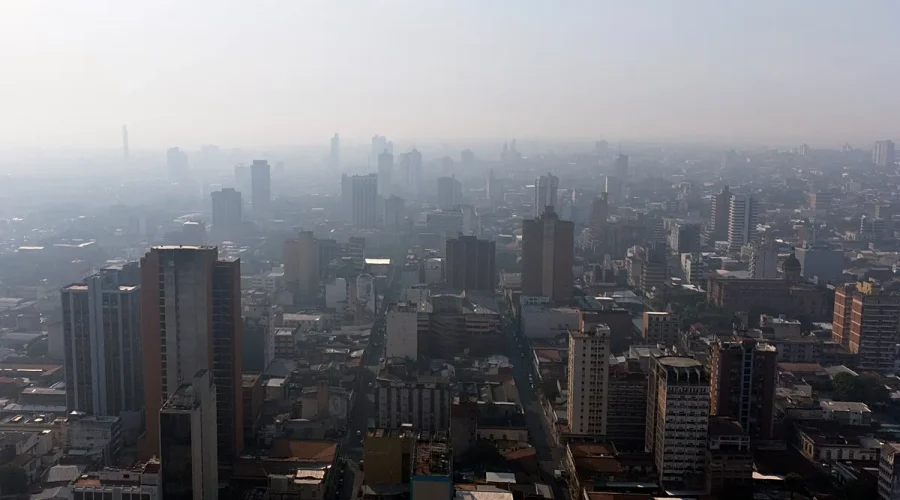
Fine particle pollution may be disturbing sleep even at relatively low levels
Usagevpn.com – Short-term rises in air pollution may be enough to aggravate the respiratory system and interrupt sleep, even in urban areas that generally appear to have clean air. A large observational study has linked increases in fine particulate matter with more night-time coughing, raising concern that brief pollution spikes can affect people before daily pollution averages exceed international guidance.
The work was led by researchers at the University of Cambridge in the United Kingdom, Tsinghua University in China, and sleep technology company Sleep Cycle. Their findings suggest that the lungs can react quickly to changing concentrations of fine particulate matter, commonly measured as micrograms per cubic metre of air.
Coughing rose after short-term pollution increases
The researchers examined cough recordings from roughly 100,000 Sleep Cycle app users living in 32 cities across 12 countries. The dataset covered 500 days and allowed the team to compare changes in pollution levels with patterns in coughing during the following days.
For every increase of 10 micrograms of particulate matter per cubic metre (μg/m³), coughing levels climbed by 2.4 per cent over the subsequent five days. The association remained after the researchers considered other possible influences, including weather and influenza activity.
“This suggests that there may be no such thing as a safe threshold for exposure to air pollution, although our research is purely observational,” said Cecilia Mascolo, who led the research at Cambridge.
“However, people may wish to consider how they might mitigate their own exposure to air pollution, by using masks or air filters, for example.”
The observational nature of the research means it identifies a relationship rather than proving that pollution alone caused each episode of coughing. Still, the consistency of the pattern across locations points to the potential importance of day-to-day changes in air quality, not merely a city’s long-term average.
Wildfire pollution showed a sharper effect in Los Angeles
An examination of Los Angeles during 2025 offered a striking example of what can happen during severe pollution events. The city experienced its worst wildfire season in years, and a rise of 10 μg/m³ in particulate matter was associated with a 10 per cent increase in nocturnal coughing.
That result was much larger than the overall effect observed across the international dataset. It indicates that exceptionally polluted periods, including wildfire smoke episodes, may prompt immediate and disproportionately strong increases in acute respiratory symptoms.
Fine particulate matter can remain suspended in the air and can be inhaled deeply into the respiratory tract. A cough or sore throat may seem minor, but night-time symptoms can be especially disruptive because they fragment sleep and may leave people feeling less rested the next day.
Sleep disruption may have wider health consequences
The study highlights a possible route through which sudden air pollution exposure could contribute to broader health concerns. Coughing at night does not only signal airway irritation; it can also interfere with the quality and continuity of rest.
Poor sleep has been linked to cardiometabolic dysfunction, reduced cognitive performance and neurodegenerative risks. The researchers noted that pollution-related coughing could therefore be one mechanism connecting acute exposure to fine particles with wider systemic effects. The findings do not establish that every sleep disturbance produces these outcomes, but they underline why night-time air quality deserves attention.
People often think of pollution as a problem limited to visibly smoggy days or heavily industrialised areas. This research instead suggests that relatively clean cities may still experience short intervals in which airborne particles are sufficient to irritate sensitive airways.
European cities mostly remained below WHO daily guidance
Thirteen European cities were included in the analysis. Their average daily concentrations of fine particulate matter ranged from 5.47 μg/m³ in Uppsala, Sweden, to 14.70 μg/m³ in Bergamo, Italy. Across those European locations, the mean daily level was about 10.58 μg/m³.
The World Health Organization advises that 24-hour average exposure should stay below 15 μg/m³, except for three to four days each year. The European cities in the study generally had low to moderate baseline concentrations when compared with the more polluted cities in the global sample.
Beijing recorded an average of 40.97 μg/m³, while Shanghai reached 33.48 μg/m³. Yet the study’s central message is that respiratory effects were observed even where typical daily levels were lower. This shifts attention toward temporary increases, which can occur because of traffic, weather patterns, heating emissions, industrial activity or smoke drifting from fires.
A cough can be an early warning sign
The authors cautioned against dismissing recurrent coughing as a simple nuisance. Although occasional coughing is common, it may reflect irritation or inflammation in the lungs and could reveal a problem before it becomes long-lasting.
“Everyone coughs from time to time, but coughing, whether it’s a one-off or more persistent, is a sign of irritation or inflammation in the lungs,” said lead author Tong Xia from Tsinghua University.
“A cough could be a sign of something that hasn’t become chronic yet, but might in future.”
For readers, the research offers a practical reminder to pay attention to local air-quality conditions, particularly during wildfire smoke, haze or other short-lived pollution events. Reducing personal exposure where possible, including through masks or air filters as suggested by the researchers, may be worth considering for people who notice worsening coughs or disturbed sleep when air quality declines.
Related Reading
Frequently Asked Questions
What is Increase in air pollution takes a toll?
Increase in air pollution takes a toll is the main topic of this guide. The article explains the context, practical details, and next steps readers should understand.
Why does Increase in air pollution takes a toll matter?
Increase in air pollution takes a toll matters because readers are looking for a useful answer, not just a short summary. Good content should match search intent and help them decide what to do next.