Spanish Households Face Mounting Pressure as July Inflation Hits 3.6 Percent
Usagevpn.com – Spanish families are grappling with an economic landscape that continues to show signs of strain, with inflation climbing to 3.6 percent in July. This marks the highest rate recorded since May 2024, extending a troubling streak of elevated price growth that has now persisted for five consecutive months. The National Statistics Institute confirmed the upward movement, simultaneously revising its July forecast downward by a tenth of a point. For many households, this economic deterioration ranks as the second most pressing concern, trailing only housing costs in public anxiety.
Energy Costs Drive the Rebound
The primary driver behind this inflationary uptick lies in the energy sector, where both fuel and electricity prices have surged dramatically. Electricity costs in July hovered around €105 per megawatt hour, representing the most significant year-on-year increase since 2022. That earlier spike was triggered by the Russian invasion of Ukraine, which disrupted European energy supplies. Now, six years later, geopolitical tensions have resurfaced in different forms. Partial blockages in the Red Sea, coupled with critical concerns about the Strait of Hormuz, are creating fresh instability in global energy markets.
Compounding these energy challenges is the seasonal demand generated by intense summer heat. Successive heatwaves during the traditional dog days of summer have pushed electricity consumption higher, further elevating household bills. The timing has been particularly unfortunate for consumers already navigating elevated energy costs from broader market pressures.
Government Response to Fuel Crisis
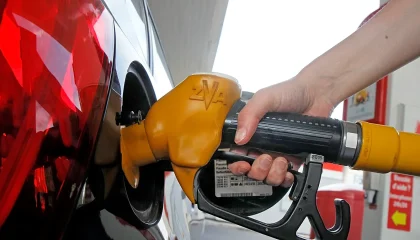
The Economy Ministry, led by Carlos Cuerpo, has activated an automatic mechanism in response to the fuel situation. When the year-on-year increase in diesel prices exceeded 15 percent by seven-tenths of a point last month, the system triggered a tax reduction. Under this measure, consumers receive a 20-cent deduction per litre instead of the standard 5-cent cut. This policy forms part of the government’s broader response plan addressing the crisis stemming from Israeli and United States bombings in Iran.
However, the implementation has drawn criticism from political parties positioned to the left of the PSOE. These opponents argue that distribution companies are not transferring the complete discount to end consumers, potentially undermining the intended relief for households. This debate highlights the ongoing tension between government intervention and market dynamics in addressing cost-of-living pressures.
Relief in Food Prices
Despite the broader inflationary trend, certain sectors have offered welcome relief to shoppers. The cost of the average shopping basket decreased by three-tenths of a point in July, indicating price stabilization in specific product categories. Food prices, in particular, have shown encouraging signs of moderation.
“The inflationary pressure has not been passed on to food, where the year-on-year rate was 1.6 percent, three-tenths of a point below the June rate and a low not seen since 2021,” the Economy Ministry pointed out.
This food inflation rate of 1.6 percent represents the lowest level recorded since 2021, suggesting that agricultural markets and supply chains have managed to absorb some of the broader economic pressures. Fruit, vegetables, and pulses have become notably more affordable, while textile prices have declined thanks to seasonal summer sales. These categories provide tangible evidence that not all price increases are uniform across the economy.
Looking Ahead
The current situation reflects a complex interplay of domestic and international factors. While energy costs remain elevated due to geopolitical disruptions and seasonal demand, the food sector demonstrates that price pressures can be contained in certain areas. The government’s automatic tax adjustment mechanism offers a built-in response to fuel volatility, though questions remain about whether consumers are receiving the full benefit.
As the year progresses, Spanish households will continue to monitor these trends closely. The combination of persistent energy costs, housing concerns, and the broader economic deterioration creates an environment where careful budgeting remains essential. The fact that inflation has now exceeded 3 percent for five consecutive months suggests that the recovery from previous economic challenges is proceeding more slowly than initially anticipated. Nevertheless, the moderation in food prices and the potential for further tax relief provide some optimism that the worst pressures may be stabilizing rather than accelerating.
Related Reading
Frequently Asked Questions
What is Inflation in Spain rises to 3 6?
Inflation in Spain rises to 3 6 is the main topic of this guide. The article explains the context, practical details, and next steps readers should understand.
Why does Inflation in Spain rises to 3 6 matter?
Inflation in Spain rises to 3 6 matters because readers are looking for a useful answer, not just a short summary. Good content should match search intent and help them decide what to do next.