Rome’s Micromobility Crackdown: Major Fines for Rental Scooter Operators
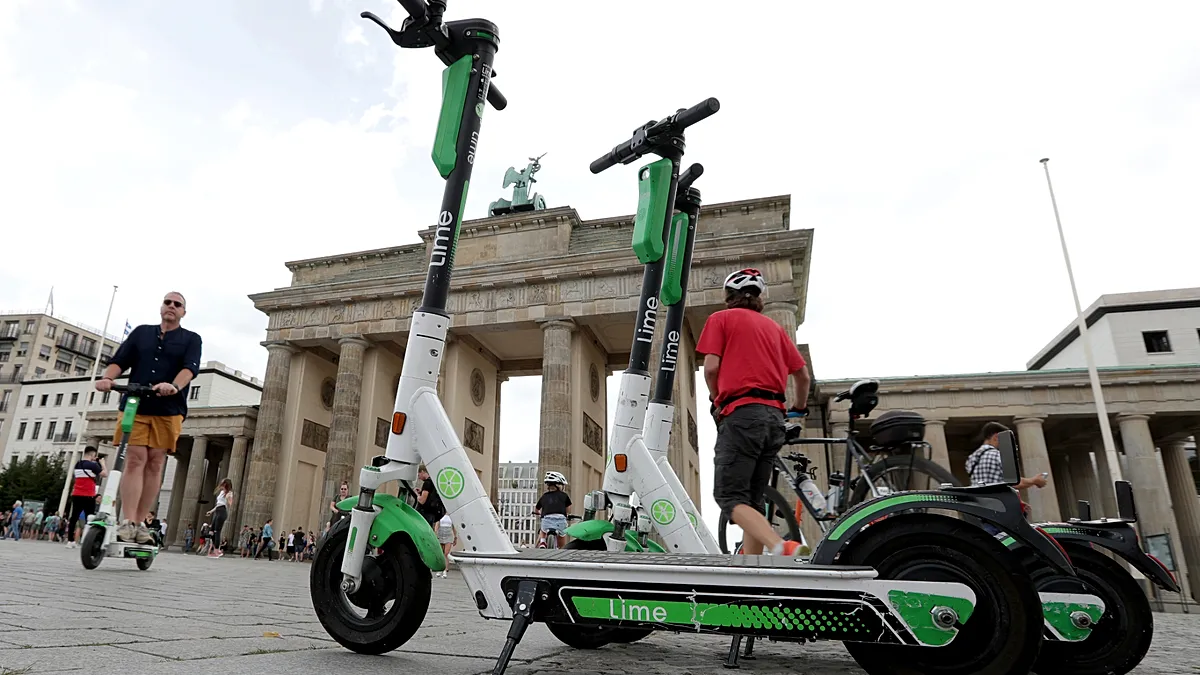
Usagevpn.com – Rome has delivered a significant blow to the shared mobility sector by imposing its inaugural penalty on companies operating electric scooter and bicycle rental services. The Antitrust Authority has levied a combined fine of €2.675 million against American firms Lime and Bird alongside German operator Dott. This landmark decision follows an investigation that commenced in November 2025, during which regulators determined that these corporations had effectively blocked access to complimentary rides designated for subscribers of Rome’s Local Public Transport network.
Consumer Rights Undermined
Under the established system, residents possessing a Metrebus season ticket were entitled to receive free ride packages from participating rental companies. However, the regulatory body found that inadequate organizational frameworks implemented by the operators meant these benefits were not consistently delivered. Commuters experienced extended waiting periods to secure their passes, while the activation procedure proved unnecessarily complicated and time-consuming.
Beyond these service failures, the Antitrust Authority identified additional unfair practices within the sector. Bird, in particular, faced criticism for its arbitrary approach to deactivating user accounts without proper justification or advance notice. These combined issues demonstrated a pattern of behavior that disadvantaged consumers who had paid for their transport subscriptions.
New Road Regulations Take Effect
While Italian authorities work to ensure efficient services for consumers, parallel efforts have focused on regulating e-scooter circulation on public roads. New regulations officially came into force on May 16, 2026, following an announcement by the Ministry of Infrastructure and Transport in April of that year. The Automobile Club d’Italia (ACI) emphasized that these measures aim to improve vehicle identification given the rapid proliferation of electric scooters and the substantial number of accidents involving them.
Statistics from the previous year paint a concerning picture: 3,895 crashes were recorded, resulting in 23 fatalities and 3,751 injuries. The most significant changes introduced by the updated regulations include mandatory license plates and insurance coverage for all electric scooters. Vehicle owners must affix an identification sticker costing a flat fee of €8.66, which remains transferable if the scooter is replaced. Failure to display the required plate carries penalties ranging from €100 to €400.
Several existing requirements remain in place. Riders must be at least 14 years of age, and wearing helmets is now compulsory. Turn signals and brake indicators are mandatory, as are front and rear lights. The speed limit remains set at 20 kilometers per hour. Additionally, carrying passengers or objects, towing other vehicles, and operating e-scooters on non-urban roads continue to be prohibited. These regulations apply to both privately owned vehicles and shared scooters operated by companies including Lime, Bird, and Dott, all of which hold authorization to provide mobility services in the capital.
European Regulatory Wave
Rome’s licensing arrangement remains valid through 2026 and can be renewed via public tender. However, the Italian approach mirrors broader trends across Europe, where nations are increasingly responding to rising accident rates involving electric scooters. Germany’s Insurance Association reports that the number of insured e-scooters has grown more than fivefold since 2023, now representing 40 percent of third-party damage claims. Hungary has similarly experienced a 70 percent surge in injury crashes involving these vehicles compared to the previous year, prompting preparations to amend its highway code.
In July, Germany proposed legislation that would hold rental companies, including Lime and Bolt, directly accountable for accidents involving their vehicles. Spain has implemented stricter requirements, making helmets compulsory throughout the country and raising the minimum riding age to 15. More dramatic measures have emerged elsewhere: France banned rental e-scooters entirely in 2023 following a national referendum, while Belgium announced plans to withdraw these vehicles from streets beginning in January 2027, simultaneously expanding bicycle and e-bike infrastructure.
Consumer Advocacy and Future Actions
Currently, Italy’s regulatory response has focused primarily on the updated highway code rather than direct measures against rental fleets. Nevertheless, the financial sanctions imposed on micromobility companies may signal further developments. Given the substantial negative impact on customers, legal remedies remain a possibility. Codacons, Italy’s prominent consumer protection association, has expressed strong support for affected users.
“We believe that the users involved should be compensated for the damage suffered,” Codacons stated in a formal declaration. “For this reason, following the Competition Authority’s decision, Codacons is assessing possible legal action against Bird, Dott and Lime to defend the interests of all Rome Metrebus season-ticket holders, users harmed by the unlawful practices identified by the Antitrust watchdog.”
The potential for additional legal proceedings underscores the growing scrutiny facing the shared mobility industry. As urban centers worldwide grapple with balancing innovation against public safety and consumer protection, Rome’s actions may serve as a model for other cities considering similar regulatory frameworks. The combination of financial penalties, stricter road regulations, and active consumer advocacy suggests that the era of relatively unregulated e-scooter proliferation may be drawing to a close across Europe.
Related Reading
Frequently Asked Questions
What is Electric scooters?
Electric scooters is the main topic of this guide. The article explains the context, practical details, and next steps readers should understand.
Why does Electric scooters matter?
Electric scooters matters because readers are looking for a useful answer, not just a short summary. Good content should match search intent and help them decide what to do next.