Chinese AI model Kimi K3 halts new user registrations
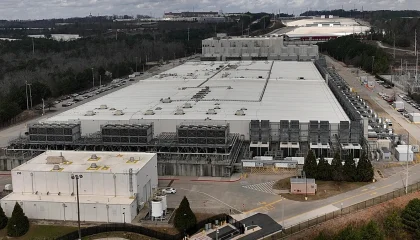
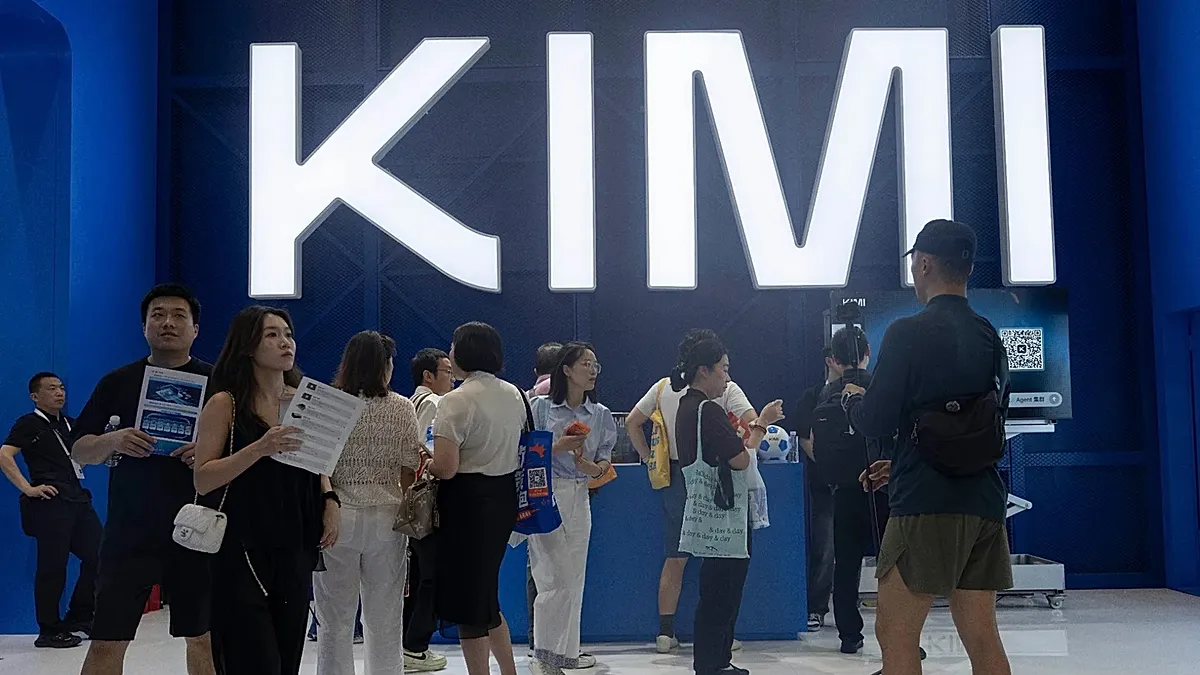
Usagevpn.com – Chinese AI model Kimi K3 halts new signups after experiencing unprecedented demand. Moonshot AI, the Beijing-based company behind the system, announced late Sunday that it would temporarily pause new registrations. The decision came after just 48 hours of operation, when server capacity nearly reached its breaking point. According to the company’s statement on X, the surge in users had “pushed close to the limits” of their computing infrastructure.
Users who already have accounts can continue using the platform without interruption. However, those waiting to join will need to be patient. Moonshot AI confirmed that new registrations will resume gradually, with capacity being added “in batches” as the company works to expand its resources. This approach allows the firm to manage server loads more effectively while still welcoming new users.
Part of a growing Chinese AI movement
The situation highlights a broader trend in the artificial intelligence sector. Chinese technology companies continue developing models capable of competing globally, only to face infrastructure challenges when international interest explodes. Kimi K3 joins a wave of affordable, open-weight Chinese models that have captured attention worldwide. This momentum follows DeepSeek’s V4 release and the market disruption caused by DeepSeek’s earlier model in early 2025, which established China as a formidable competitor to American AI leaders.
Unlike many proprietary systems, Chinese frontier models typically offer open-weight access. This means developers can study and modify the underlying architecture rather than relying solely on paid API connections. Moonshot introduced Kimi K3 last week as a 2.8 trillion-parameter model, marking it as the largest open-weight system released to date. The South China Morning Post reported that the model has surpassed competitors including GPT-5.6 Sol and Claude Fable 5 on several benchmarks. Notably, it claimed the top position in Arena’s front-end coding capability ranking following its public debut.
“This does show Moonshot AI does not have sufficient compute chips to serve the current surge in demand,” said Lian Jye Su, chief analyst at technology research firm Omdia. “The more likely explanation was that Moonshot underestimated how popular K3 would become, noting the model is unusually demanding in terms of compute, which makes allocating capacity both difficult and costly.”
The rapid growth of Kimi K3 has created ripple effects across global markets. Shares of major US technology companies experienced pressure as investors worried that affordable Chinese alternatives might reduce the pricing power of American AI firms. These concerns persist despite US export restrictions that have already constrained China’s access to cutting-edge processing chips. The timing of Kimi K3’s release has placed it alongside other significant Chinese announcements.
Over the weekend, Alibaba showcased its Qwen3.8 Max model, featuring 2.4 trillion parameters. The company positioned it as ranking “second only to” Anthropic’s Fable 5 among frontier systems, though this assessment relies on Alibaba’s own evaluation rather than independent verification. Meanwhile, Chinese startup Zhipu, operating under the name Z.ai, launched its GLM-5.2 model last month, which has already attracted substantial international interest.
As the AI landscape continues evolving, the Kimi K3 experience demonstrates both the opportunities and challenges facing Chinese technology companies. The temporary halt in registrations represents not a failure, but rather a sign of success in a market where demand frequently outpaces supply. Moonshot AI’s commitment to gradual capacity expansion suggests that new users should expect registration to resume within the coming days or weeks.