German Energy Giant RWE Secures $1.22 Billion Exit From U.S. Offshore Wind Projects
Usagevpn.com – The Trump administration has agreed to compensate German energy corporation RWE with $1.22 billion—equivalent to €1.06 billion—to terminate the company’s offshore wind development leases across multiple American coastal regions. This substantial financial settlement marks a significant pivot in how the federal government is restructuring America’s renewable energy landscape under new leadership priorities.
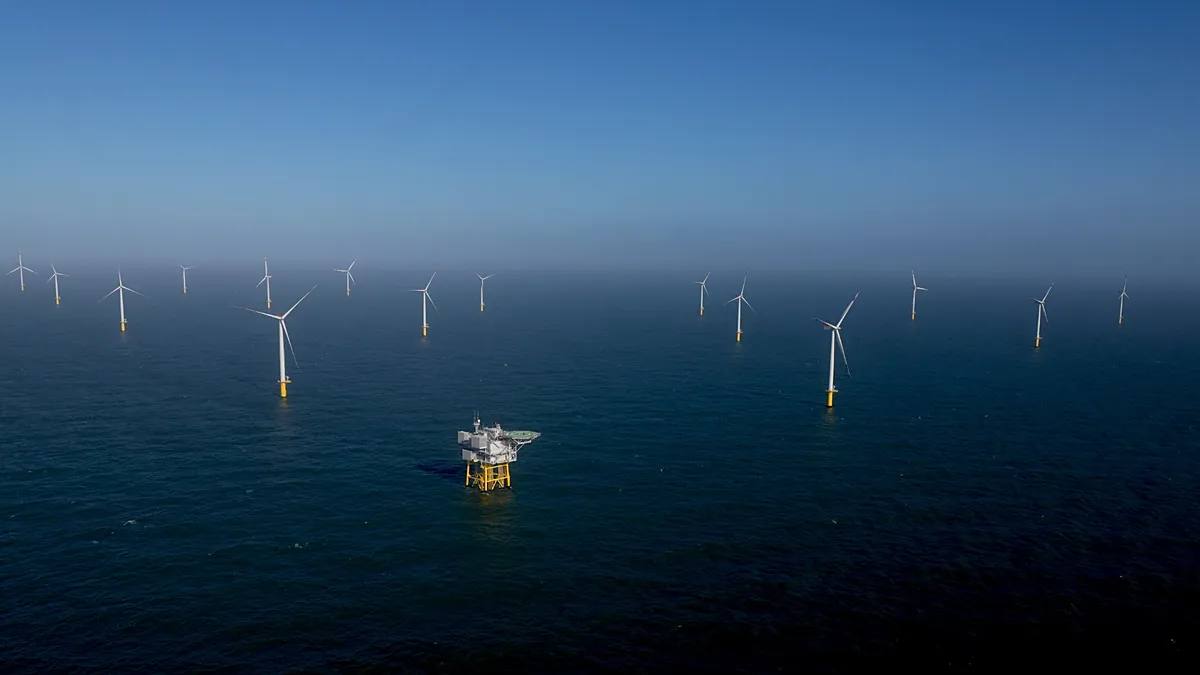
RWE confirmed on Thursday that it reached a comprehensive agreement with the U.S. Department of the Interior to surrender its leasehold interests situated off the shorelines of New York, California, and Louisiana. The German multinational expressed satisfaction with the resolution while acknowledging the challenging regulatory environment that made continued offshore wind development impractical.
“After careful consideration, it was determined there is no path forward to permit these projects in the U.S. for the foreseeable future,” the company stated in an official announcement.
Trump’s Wind Energy Reversal Takes Shape
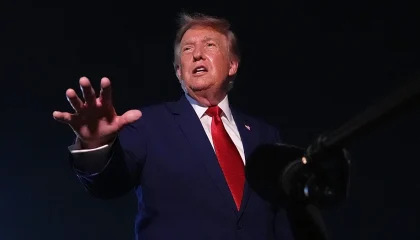
President Donald Trump, who has maintained a longstanding skepticism toward wind power initiatives, has launched an aggressive campaign to pause numerous renewable energy developments throughout the nation. The president has consistently characterized wind turbines as visually unappealing structures and has characterized them as representing both an “economic and environmental disaster” for American communities.
During his campaign and early presidency, Trump made clear his opposition to new wind installations, declaring that he did not want “even one” additional turbine constructed during his administration’s tenure. This position represents a dramatic departure from previous administrations that actively promoted clean energy expansion through federal incentives and regulatory support.
The cancellation of RWE’s leases aligns with broader federal efforts to reassess America’s energy infrastructure priorities. Under the current administration, officials have emphasized fossil fuel development and natural gas expansion as more reliable alternatives to intermittent renewable sources like wind and solar power.
RWE Pivots Toward Natural Gas Investments
Despite withdrawing from offshore wind commitments, RWE is redirecting its capital toward natural gas development across the United States. The company announced plans to invest heavily in gas projects to address what it describes as rapidly growing domestic energy demand.
A cornerstone of this strategy involves a $900 million commitment to acquire a 16 percent ownership stake in a Louisiana liquified natural gas facility. This substantial investment positions RWE to capitalize on America’s expanding LNG export capabilities and growing domestic consumption patterns.
“RWE Americas has announced plans to invest approximately €17 billion in the U.S. over the next six years to grow its generation capacity from approximately 13 GW across 27 states today to 22 GW by 2031,” the company explained in its statement.
Broader Industry Implications
RWE’s settlement follows a similar arrangement reached in March by French energy conglomerate TotalEnergies with the same Interior Department. That agreement involved approximately $1 billion in compensation and redirected the French firm toward natural gas development rather than continued offshore wind commitments at Carolina Long Bay and New York Bight locations.
These parallel settlements suggest a coordinated federal approach to restructuring America’s renewable energy portfolio. Rather than allowing projects to stall indefinitely under uncertain regulatory conditions, the government is offering clean exits while encouraging companies to pivot toward fossil fuel alternatives.
Interior Secretary Doug Burgum publicly welcomed RWE’s decision, emphasizing the strategic benefits of the arrangement. He highlighted how the settlement supports both immediate energy needs and long-term infrastructure goals.
“We welcome RWE’s agreement and voluntary investment in projects that strengthen our nation’s energy security, provide dependable baseload power and help keep electricity affordable for hardworking Americans today while supporting our country’s long-term energy future,” Burgum wrote on the social media platform X.
What This Means for American Energy Policy
The RWE settlement carries implications beyond the immediate financial transaction. Offshore wind development has faced mounting challenges including supply chain disruptions, permitting delays, and shifting political priorities. The cancellation of these leases removes uncertainty for the German company while allowing it to redirect resources toward more predictable investment opportunities.
For American consumers, the shift toward natural gas represents a commitment to baseload power generation that critics argue provides more consistent electricity supply compared to wind-dependent alternatives. The emphasis on “dependable baseload power” mentioned by Interior Secretary Burgum reflects this policy preference.
The €17 billion investment commitment from RWE over six years demonstrates that American energy markets remain attractive to international capital despite regulatory headwinds. The company’s expansion from 13 gigawatts to 22 gigawatts of generation capacity by 2031 signals continued confidence in U.S. energy infrastructure development.
As the Trump administration continues to reshape America’s energy landscape, these lease cancellations and corresponding investments may serve as a template for future negotiations with other renewable energy developers seeking clarity in an evolving regulatory environment.
Related Reading
Frequently Asked Questions
What is Trump administration to pay 1 06 billion?
Trump administration to pay 1 06 billion is the main topic of this guide. The article explains the context, practical details, and next steps readers should understand.
Why does Trump administration to pay 1 06 billion matter?
Trump administration to pay 1 06 billion matters because readers are looking for a useful answer, not just a short summary. Good content should match search intent and help them decide what to do next.