Mont Blanc Faces Mountaineering Overcrowding: A Reservation System on the Horizon?
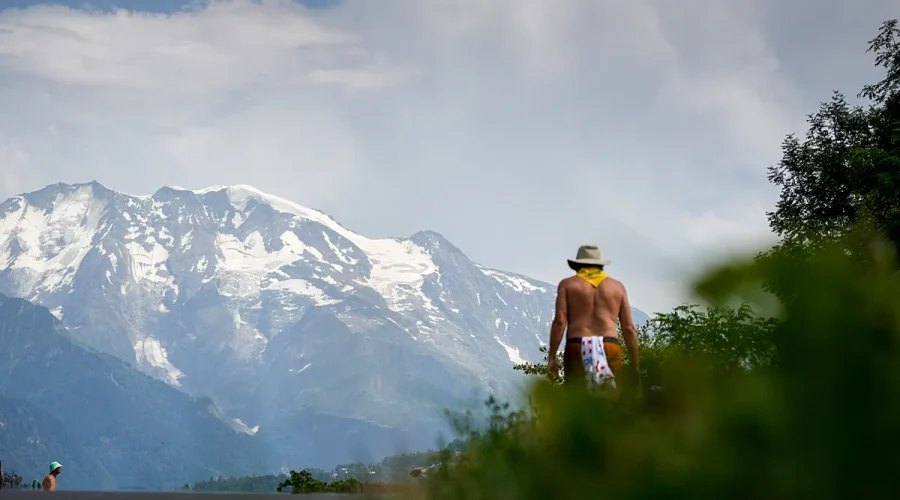
Usagevpn.com – The majestic peaks of Mont Blanc are experiencing a transformation in how visitors navigate its trails. What was once a serene landscape for hikers has become increasingly congested, with groups moving so closely together that personal space has virtually disappeared. This surge in popularity has sparked serious discussions among local authorities about implementing mandatory booking systems for mountain trails.
The Single-File Problem
On the most frequented paths, hikers now find themselves following one another in tight formations. The visual of people seeing only the backs of those ahead has become commonplace during peak seasons. This congestion is not merely an aesthetic concern; it represents a growing challenge for both visitors and residents alike.
Today we’re moving along in single file. People can only see the backsides of those in front of them. That’s hardly ideal.
These words come from Jean-Marc Peillex, the mayor of Saint-Gervais-les-Bains, who has been vocal about the mounting pressure on local infrastructure. Speaking with Swiss public broadcaster SRF, Peillex outlined his vision for managing the influx of mountain enthusiasts. He proposes that access to certain routes should be limited beginning next spring, with enforcement mechanisms including regular checks and financial penalties for non-compliance.
French Alpine Community Takes Action
Saint-Gervais-les-Bains occupies a strategic position on the French side of the Mont Blanc massif within the Haute-Savoie department of the French Alps. This town serves as a crucial gateway for travelers exploring the region. The French portion of the renowned Tour du Mont Blanc trail passes directly through this municipality, making it central to any proposed changes.
Under the new framework being developed, every hiker undertaking the Tour du Mont Blanc will need to secure accommodation in advance. This means reserving either a designated hut or an authorized bivouac zone. A bivouac zone represents an officially recognized area where mountaineers can spend the night outdoors without permanent structures. Unlike traditional mountain huts, these zones typically offer minimal or no facilities, requiring visitors to be more self-sufficient.
If that is not possible, you postpone your plans to the following year.
Peillex acknowledges that not everyone can adjust their schedules easily, but emphasizes that flexibility is essential for preserving the mountain experience. While only a segment of the Tour du Mont Blanc traverses Saint-Gervais, neighboring municipalities along the French route are collaborating to implement unified regulations starting next spring.
Switzerland Observes Without Rushing
Switzerland currently maintains a different approach to managing mountain tourism. Joachim Rausis, mayor of Orsières in the canton of Valais, recognizes emerging challenges but avoids characterizing the situation as severe overtourism. He notes that warning signals are present and regulation is necessary, yet stresses the importance of cross-border cooperation.
There are warning signs, and we need to regulate things. But above all we need coordination between Switzerland, Italy and France.
Rausis highlights that the Alps transcend national boundaries, making international collaboration essential for effective management. The three countries sharing the mountain range must work together to develop consistent policies that protect both visitors and the environment.
Mountain Guides Feel the Pressure
The tourism boom extends beyond hikers to professional mountain guides who operate in this region. These independent workers face unique challenges when trying to secure accommodations and plan their schedules. Many guides report difficulty finding reliable bookings because clients rarely commit to dates a full year in advance.
For self-employed professionals, this uncertainty creates significant financial strain. Hotels and mountain huts fill up quickly during peak seasons, leaving guides without guaranteed accommodation for their clients. This situation threatens the livelihoods of experienced mountaineers who have built their careers around the region’s popularity.
Balancing Access and Preservation
The ongoing debate reveals a fundamental tension in mountain tourism. The Alps have achieved extraordinary international recognition, attracting millions of visitors annually. However, this popularity comes at a cost to natural ecosystems and local communities. Implementing reservation requirements could help moderate visitor numbers while maintaining the traditional principle that mountains remain accessible to all.
Such a system is not entirely unprecedented on Mont Blanc. The French normal route to the summit already utilizes a dedicated booking platform for overnight stays at the Nid d’Aigle, Tête Rousse, and Goûter huts. Participants must provide their names during registration and present confirmation documents during inspections.
Recent developments have added urgency to these discussions. The Goûter and Tête Rousse huts operated normally through most of the 2026 season but experienced temporary closures beginning August 11, 2026. Rockfall risks prompted these shutdowns, reminding visitors and officials alike of the dynamic nature of mountain environments and the need for careful management of human activity in these fragile ecosystems.
Related Reading
Frequently Asked Questions
What is Crowds at Mont Blanc?
Crowds at Mont Blanc is the main topic of this guide. The article explains the context, practical details, and next steps readers should understand.
Why does Crowds at Mont Blanc matter?
Crowds at Mont Blanc matters because readers are looking for a useful answer, not just a short summary. Good content should match search intent and help them decide what to do next.