Ukraine and France Discuss SCALP Missile Production License
Ukraine in talks with France on SCALP – Ukraine is currently engaged in discussions with France to secure a license for manufacturing SCALP cruise missiles, according to Defence Minister Mykhailo Fedorov. The talks, which are part of Kyiv’s broader strategy to strengthen its military-industrial capacity, are progressing, though the minister noted that finalizing the agreement remains in early stages. “Ukraine and France are actively working toward this goal, but the process involves navigating complex intellectual property arrangements,” Fedorov stated, highlighting the logistical and bureaucratic challenges that must be overcome before local production can begin.
SCALP Missiles: A Key Asset for Ukraine
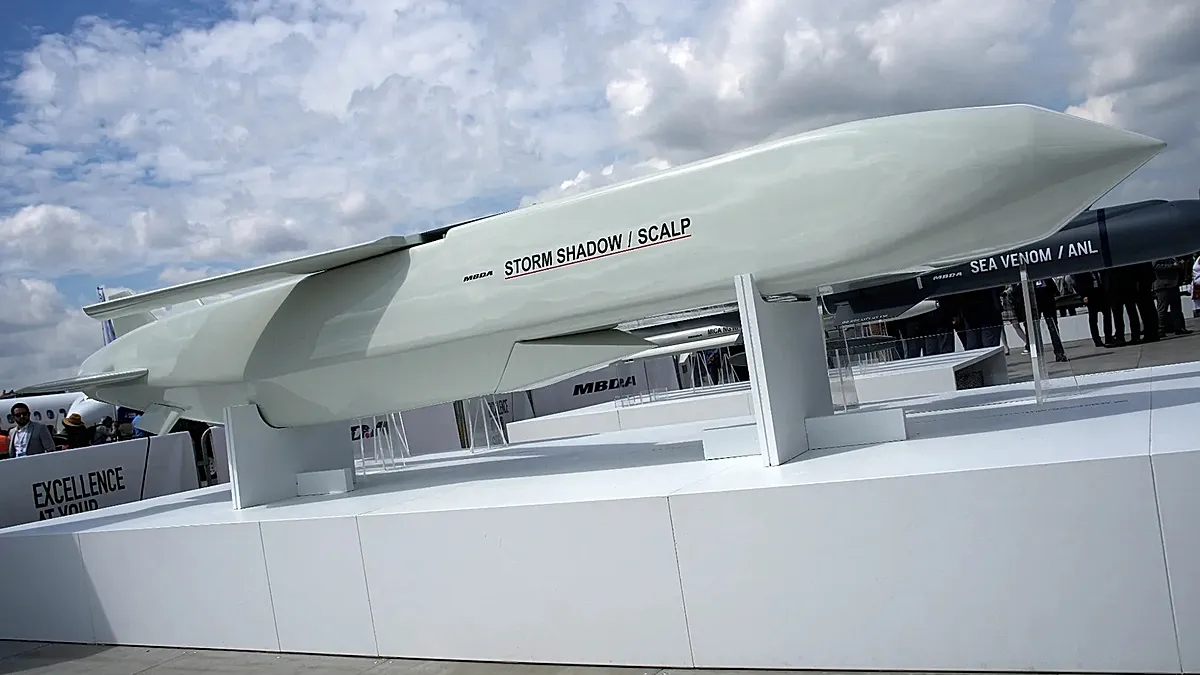
Developed by France, the SCALP missile is a versatile weapon with a 250-kilometer range, capable of striking both land and maritime targets with precision. Ukraine’s interest in acquiring a production license for these missiles underscores their importance in countering Russian aggression and enhancing the country’s self-reliance in defense technology. The initial supply of SCALP missiles to Ukraine was announced during the NATO summit in Vilnius in July 2023, marking a significant step in the nation’s efforts to modernize its armed forces. Since then, Ukrainian forces have used the missiles effectively in targeting Russian positions and occupied Crimea.
Progress and Challenges in Licensing Negotiations
French President Emmanuel Macron and Ukrainian President Volodymyr Zelenskyy initiated the discussions earlier this month, with both sides expressing commitment to advancing the project. Fedorov emphasized that the negotiations are ongoing, involving representatives from the French government and the missile manufacturer. “Ukraine and France are collaborating closely, but the process is intricate,” he said, adding that the agreement hinges on resolving technical and legal aspects of the intellectual property transfer. The G7 summit in Evian recently provided a platform for further dialogue, with leaders supporting the idea of granting Ukraine production rights for Western systems.
“Ukraine and France are making progress, but the path to a formal license is still under review due to the detailed nature of the arrangements,” Fedorov added, underscoring the need for careful planning to ensure successful domestic manufacturing.
While the SCALP negotiations continue, Ukraine has not yet secured a production license for the Patriot air defense system, which remains vital for countering Russian ballistic missile threats. Zelenskyy has been pushing for the U.S. to expedite this process, citing Trump’s potential role in accelerating the decision. “The Patriot system is essential for defending Ukraine’s skies,” the president stated, noting its unmatched capability in the current conflict. However, the licensing of SCALP missiles represents a complementary step toward diversifying Ukraine’s military capabilities.
Strategic Implications of Local Production
Securing a SCALP production license would allow Ukraine to manufacture the missiles domestically, reducing its dependence on foreign suppliers and ensuring a steady supply for its forces. This initiative aligns with Ukraine’s long-term goal of building a resilient defense industry, which has been a priority since the war began. Local production would also enable the country to tailor the missiles to specific operational needs, potentially improving their effectiveness in the evolving conflict. Fedorov highlighted that such a move would contribute to Ukraine’s strategic autonomy in military technology.
The agreement between Ukraine and France is seen as a critical milestone in the effort to equip the nation with advanced weaponry. While the SCALP license is in the works, other Western allies are also considering similar arrangements. The U.S. has pledged to support Ukraine’s defense production, though the pace of approvals has been slower. As the war intensifies, Ukraine’s ability to produce key systems like SCALP and Patriot could significantly impact its capacity to sustain operations and deter further aggression.
Broader Context of Western Support for Ukraine
France’s engagement with Ukraine reflects a growing trend of Western nations prioritizing military aid and industrial collaboration. The SCALP missile license is part of a larger strategy to bolster Kyiv’s defenses and ensure long-term sustainability. Meanwhile, the U.S. remains a key supplier, with the Patriot system serving as a critical component of Ukraine’s air defense. Despite challenges in obtaining licenses for these systems, the continued support from European and American allies highlights the shared commitment to Ukraine’s security. As negotiations progress, the nation’s defense capabilities are expected to expand, offering new opportunities for strategic advantage in the ongoing conflict.