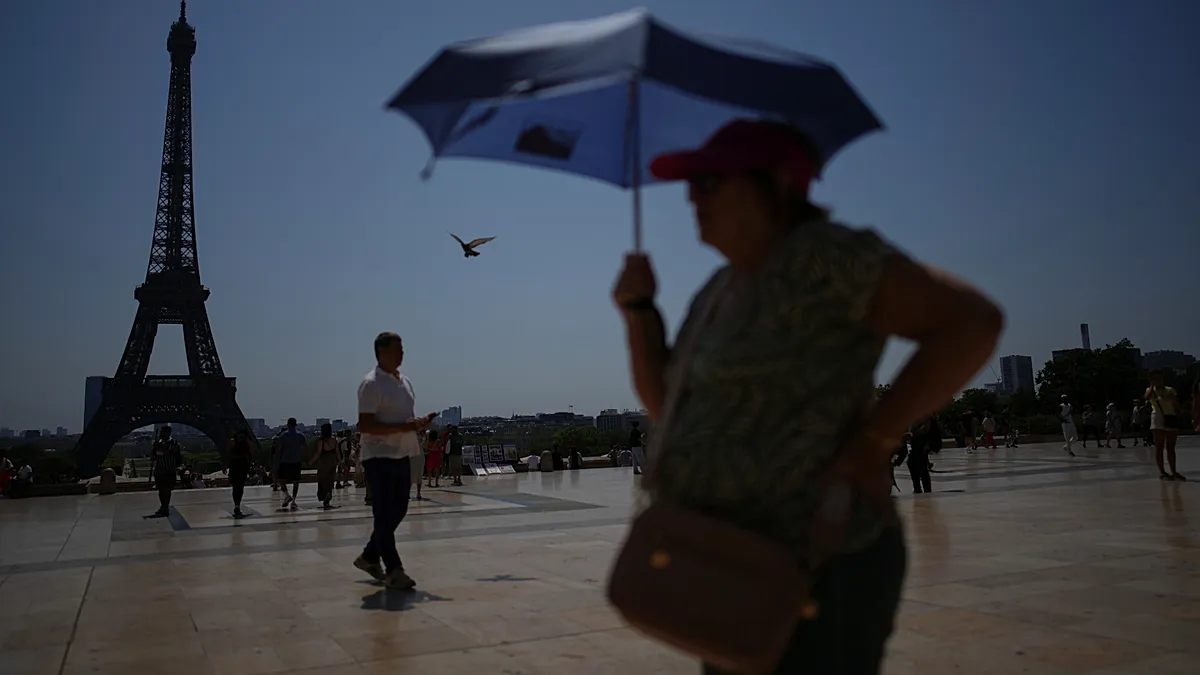
Hospitals struggle as European heatwave moves east
Hospitals struggle as European heatwave moves – Europe is grappling with a severe heatwave that has overwhelmed hospitals, transportation networks, and public services across the continent. From France to Poland, officials have issued urgent warnings as the relentless temperatures strain healthcare systems and everyday operations. According to reports from AFP, at least 101 million Europeans have been exposed to heatwaves exceeding 35 degrees Celsius, with hundreds of fatalities linked to the extreme conditions. Among the tragic cases is a three-year-old child found lifeless in a car in Paris and others who perished in water-related incidents while seeking relief from the scorching weather.
Health systems under pressure
The crisis has placed significant stress on medical facilities, particularly in regions experiencing prolonged heat. In France, emergency departments have seen a dramatic surge in heat-related visits, with some reporting a fourfold increase compared to normal levels. Cardiac arrests have also risen sharply, forcing healthcare workers to manage an unprecedented workload. Paris police chief Patrice Faure warned that hospitals are approaching their breaking point, stating:
“We are reaching a saturation point in hospital facilities. The number of hospitalisations keeps increasing.”
To ease the burden, French authorities have taken an unusual step by banning evening alcohol sales and public drinking through the weekend, aiming to curb heat-related incidents and free up resources.
Across the English Channel, the UK’s health sector has also been affected. The London Ambulance Service reported that the intense heat on Wednesday triggered its highest count of critical emergencies in a single day, highlighting the strain on emergency services. Several NHS hospitals have declared critical incidents due to cooling failures that disrupted medical equipment, operating theatres, and patient wards. These issues have compounded existing challenges, including treating heatstroke and dehydration cases, as well as managing the needs of vulnerable elderly populations.
Heatwave spreading eastward
As the heatwave shifts east, Germany is bracing for temperatures reaching 40 degrees Celsius over the weekend. This has led to the cancellation of several outdoor events, while Deutsche Bahn has advised travelers to avoid long journeys to reduce exposure. In Poland, similar concerns have emerged as western regions face dangerous heat levels, prompting warnings from local authorities about the potential for health emergencies.
Meanwhile, southern Europe has already recorded a heavy toll. Spain’s MoMo mortality tracking system identified 212 deaths between Sunday and Wednesday that could be connected to the extreme temperatures, while Italian media reported five fatalities, including a builder and farmworkers who succumbed to heat-related complications. These figures underscore the widespread impact of the event, from urban centers to rural areas, as communities across the continent struggle to adapt.
Climate change and the intensity of the heatwave
Scientists from the World Weather Attribution organization have linked the unprecedented heat to human-induced climate change. A study released Friday emphasized that the record-breaking temperatures in Britain, France, Spain, and Switzerland are “unequivocally” a result of global warming. Researchers stated that such conditions would have been “virtually impossible” in June fifty years ago, illustrating the accelerating effects of the climate crisis.
Simon Stiell, the UN’s climate chief, echoed these findings, describing the heatwave as “has the fingerprints of the climate crisis all over it.” He warned that extreme heat will continue to worsen unless efforts to reduce fossil fuel consumption gain momentum. The current wave of temperatures, which have shattered historical records, serves as a stark reminder of the urgent need to address climate change. With the heatwave now moving east, officials are preparing for further challenges, including managing energy demands, ensuring water supply, and supporting communities in crisis.
Healthcare professionals are urging greater public awareness of the risks associated with the heat. While the focus remains on hospitals, the broader implications of the event are becoming clear. Transportation systems have experienced delays and breakdowns, with rail networks struggling to maintain service. Public services, including water distribution and electricity grids, are also under stress, highlighting the interconnected nature of the crisis. The situation is a testament to how climate change is reshaping the daily lives of Europeans, from the streets of Paris to the fields of southern Spain.
As the heatwave progresses, there is growing concern about its long-term effects on public health. The World Weather Attribution study provides critical insight into the role of human activity in intensifying these events, but it also raises questions about the resilience of infrastructure and the preparedness of societies. With temperatures projected to remain high in the coming days, the challenge for authorities is to implement effective measures that prevent further strain on healthcare and public services. The Paris police chief’s warning about saturation points in hospitals is a clear signal that the situation is evolving rapidly, requiring immediate and coordinated responses across the continent.
Despite the challenges, efforts to mitigate the impact are underway. In France, the alcohol ban aims to reduce the risk of heatstroke by limiting late-night activities. In the UK, hospitals are working to maintain operations amid cooling failures, while in Germany, event organizers are prioritizing safety. These actions reflect a growing recognition of the need to adapt to the realities of a warming planet. However, the scale of the crisis underscores that more than temporary fixes are required—sustainable solutions to combat climate change are essential to prevent future disasters.
As the heatwave continues to move east, its effects will likely intensify in new regions. The combination of high temperatures, prolonged exposure, and vulnerable populations means that the health toll could rise further. With climate change exacerbating these conditions, the urgency to address the root causes of the crisis has never been greater. The events of the past week serve as a wake-up call, demonstrating how extreme weather is reshaping the landscape of public health and infrastructure across Europe.
In the coming days, the focus will remain on managing the immediate consequences of the heatwave. Hospitals, emergency services, and local governments are collaborating to ensure that resources are allocated efficiently. Meanwhile, scientists are monitoring the situation closely, analyzing data to better understand the long-term implications. The tragedy of this heatwave is not just in its immediate impact but in its foreshadowing of a future where such events become more frequent and severe. For now, the continent is battling to keep up, but the fight against the climate crisis must continue to safeguard its people and systems.