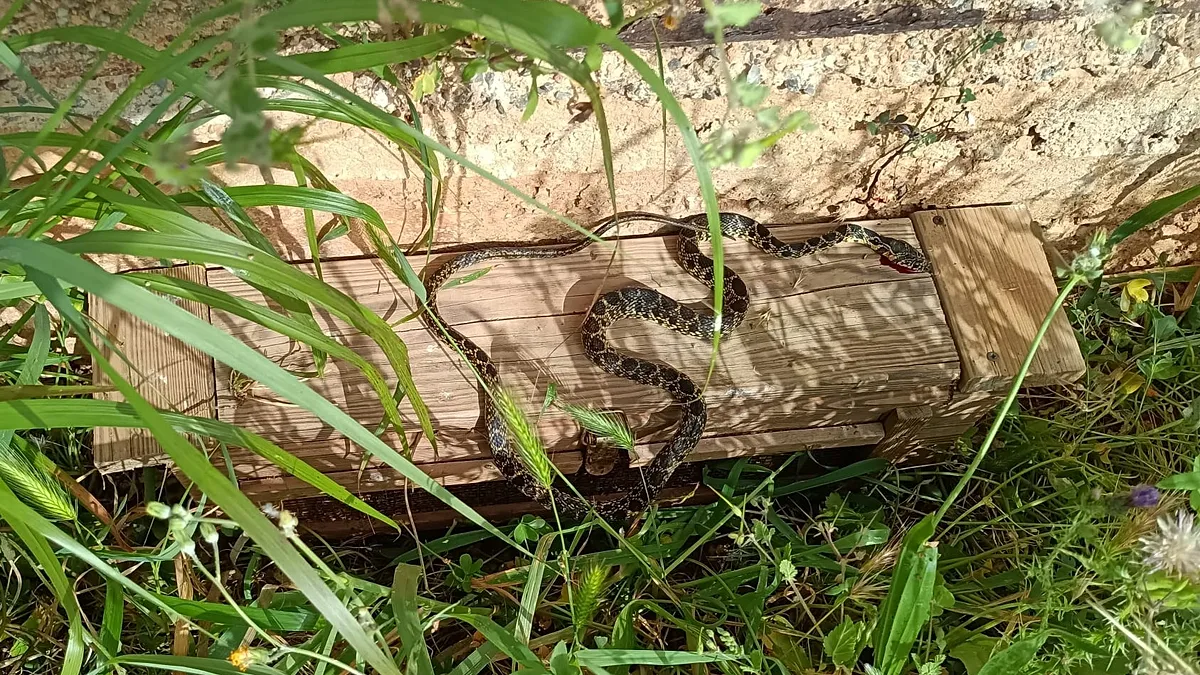
Holiday Islands Under Pressure: A Snake Invasion Threatens Biodiversity in Ibiza and Mallorca
Holiday islands under pressure – A new ecological crisis has emerged in the Balearic Islands, where the horseshoe whip snake (*Hemorrhois hippocrepis*) is rapidly altering the delicate balance of native wildlife. Once confined to regions like the Maghreb, the Iberian Peninsula, and parts of Sardinia, this invasive species has made Ibiza and Formentera its new home. Scientists warn that its unchecked growth could lead to the collapse of local ecosystems, particularly affecting the Pityusan wall lizard (*Podarcis pityusensis*), a species unique to the archipelago and now on the brink of extinction.
The Unintended Arrival of a Predator
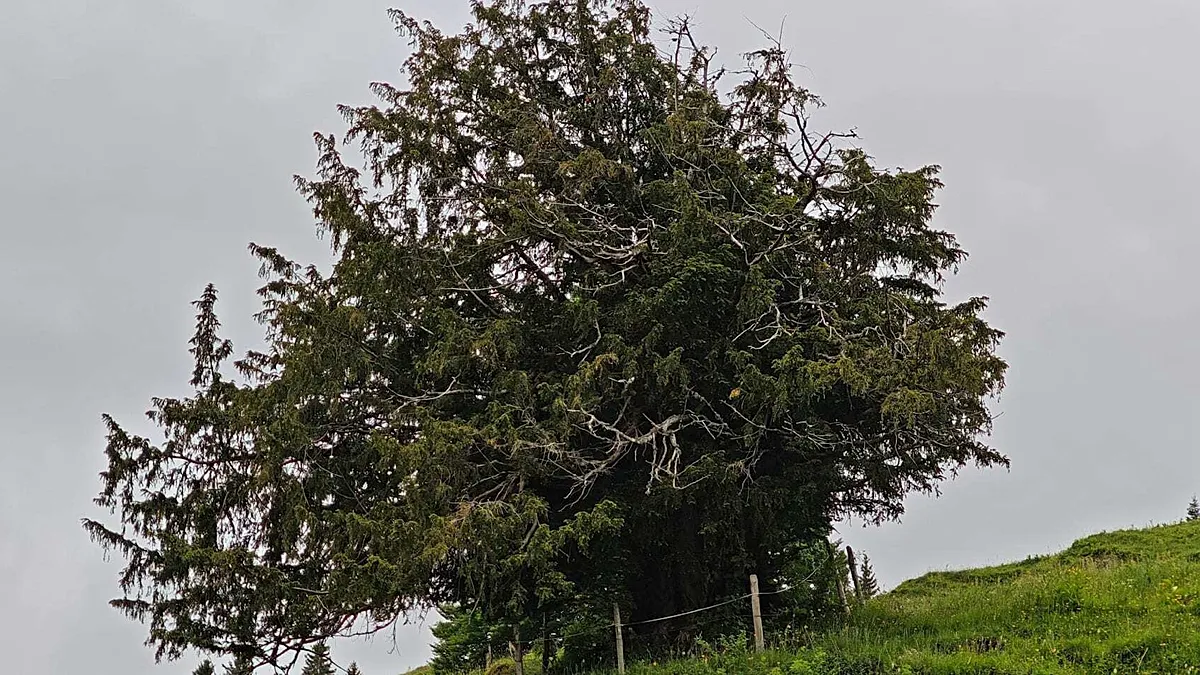
The horseshoe whip snake’s journey to the Balearics began more than two decades ago, tied to the trade of ornamental olive trees. These trees, imported from mainland Spain, became an unintentional vehicle for the reptile’s colonization. In 2003, the first sightings of the species on Ibiza sparked concern, but it wasn’t until 2010 that the ecological impact became undeniable. By then, the snake had already spread to Formentera and was firmly established in Mallorca.
“Residents of Capdepera (a town at the eastern tip of Mallorca) link the arrival of these Iberian olive trees to the introduction of the snakes, a possibility that appears plausible, since all three species are common in the area where the olive trees originate.”
This connection has been highlighted in studies, particularly one published by the biodiversity department. The research notes that over the past two decades, the demand for large, mature olive trees for landscaping has surged. Unlike smaller saplings, these trees are shipped fully grown, increasing the likelihood of reptiles hitching a ride. One such case involved a gardening company in Sant Llorenç de Balàfìa, where snakes were discovered among its exported trees on two separate occasions. While this may not have been the sole cause of the invasion, it underscores the role of human activity in facilitating ecological disruption.
A Threat to Unique Wildlife
The horseshoe whip snake has become a dominant force in the Balearic food chain, acting as an apex predator with no natural rivals. This has led to a dramatic decline in native lizard populations, particularly the Pityusan wall lizard, which is classified as “vulnerable.” These lizards, once abundant, are now struggling as the snakes prey on them, while also consuming small mammals and other reptiles. The consequences are most severe on the surrounding islets, where the species has already driven some populations to local extinction.
One of the most alarming developments occurred in 2024, when a horseshoe whip snake was filmed swimming across the Balearic Sea to reach new territory. This unprecedented behavior suggests the species is not only expanding its range but also adapting to new challenges. The study published by CREAF emphasizes the urgency of the situation, noting that the extinction of *Podarcis pityusensis* has been confirmed on ten islets, including Santa Eulària, where the snake’s movement between islands was documented.
“Each islet also harbours its own subspecies with distinctive colours.”
These islets, though small, are home to unique subspecies of lizards that have evolved in isolation. The loss of even a single population could erase centuries of evolutionary history. Moreover, the lizards, known locally as sargantanas, play a critical role in maintaining ecological harmony. They help regulate insect populations, disperse seeds, and even assist in pollination, functions that are now at risk of being disrupted by the snake’s encroachment.
Slow Response and Lingering Challenges
Despite growing evidence of the snake’s threat, the regional government’s response has been delayed. It wasn’t until 2010, after the snake had firmly established itself on Formentera, that officials began to take the issue seriously. Three years ago, new regulations were introduced to restrict the import of large olive trees during the breeding season, when snake eggs are most vulnerable. However, these measures have proven insufficient, as over 12,000 snakes have been captured since 2016, with many more likely remaining undetected.
Environmental organizations have also voiced criticism of the government’s strategies. While efforts to control the snake population have been ongoing, critics argue that repopulating areas with imported tree species has exacerbated the problem. These trees, though beneficial for landscaping, continue to serve as pathways for further invasions. The situation highlights a broader issue: the tension between economic interests and ecological preservation, particularly in regions reliant on tourism and agriculture.
The Road Ahead: Mitigating the Crisis
Experts now urge a more aggressive approach to combat the snake invasion. This includes not only stricter regulations on tree imports but also targeted eradication programs. The rapid spread of the horseshoe whip snake, capable of swimming between islands, necessitates coordinated efforts across the archipelago. Additionally, monitoring native lizard populations and restoring their habitats could provide a crucial buffer against further decline.
As the Mediterranean landscape transforms, the Balearic Islands face a defining moment in their environmental history. The horseshoe whip snake’s invasion serves as a stark reminder of the unintended consequences of human activity. While the battle to preserve biodiversity is far from over, immediate action is essential to prevent irreversible damage. The islands’ unique ecosystems, shaped by millennia of evolution, now depend on swift and strategic intervention to survive the creeping shadow of this invasive predator.
The story of the horseshoe whip snake is not just about a single species; it’s a microcosm of global ecological challenges. As climate change and human expansion continue to reshape habitats, the Balearics offer a cautionary tale of how interconnected systems can be disrupted. For the native lizards and the countless organisms that rely on them, the stakes have never been higher. The coming years will determine whether the islands can reclaim their ecological harmony or succumb to the relentless advance of an outsider that has found a new home in the sun-drenched waters of the Mediterranean.