European Parliament to Ban AfD’s EU Party: Procedure Begins
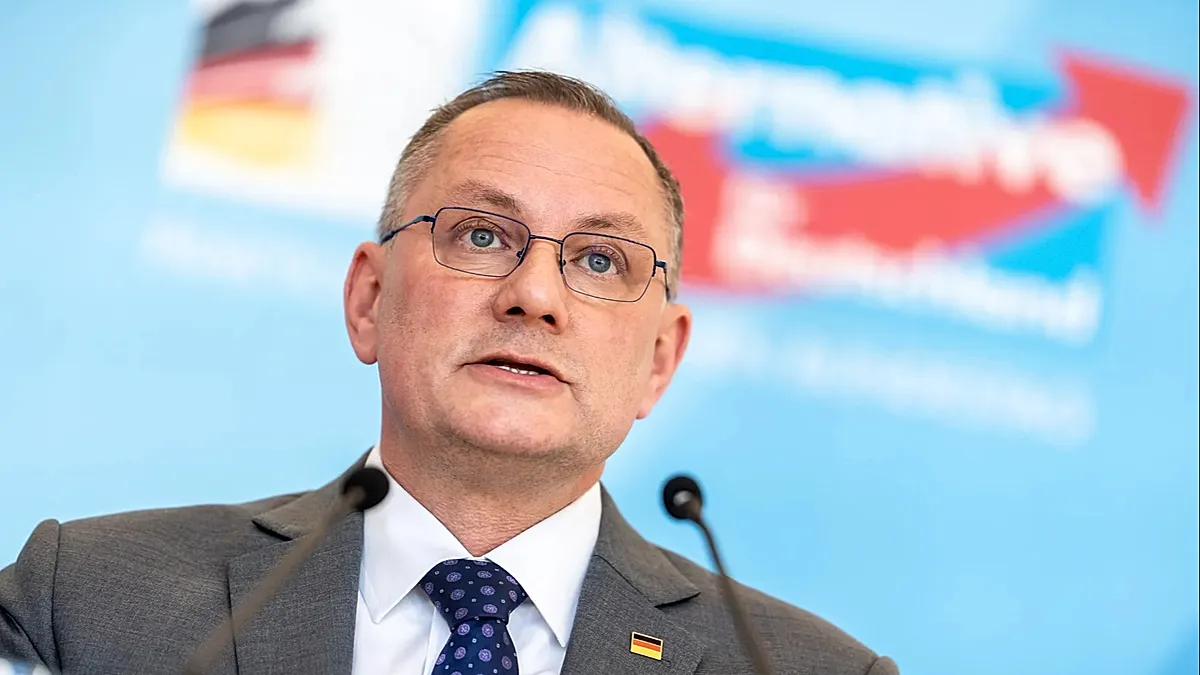
European Parliament to start procedure to ban – The European Parliament has launched a formal procedure to potentially ban the Alternative for Germany (AfD)’s European political party, following mounting concerns about its adherence to EU values. This decision follows a petition signed by over 180 lawmakers, which prompted the activation of a verification process led by the Authority for European Political Parties and Foundations (APPF). The procedure aims to assess whether the AfD’s party, part of the Europe of Sovereign Nations (ESN) group, aligns with core principles such as democracy, human rights, and rule of law. If found in violation, the party could lose its EU status and face financial penalties from the bloc’s budget.
The ESN Group and Its Composition
The ESN political group, which includes the AfD and other far-right factions, was established in August 2024. It represents eight national parties across Europe, uniting them under a shared platform to address perceived challenges to EU cohesion. However, critics argue this alliance compromises the group’s commitment to EU principles. The AfD, a key member, has faced scrutiny for its stance on immigration, multiculturalism, and social policies, which some view as threatening the unity of European societies. The procedure reflects growing pressure to hold the ESN accountable for its actions.
While the ESN operates as a unified political entity within the European Parliament, its internal structure allows individual parties to maintain separate identities. This has led to debates about whether the group as a whole or its constituent parties should be targeted. The procedure now places the ESN under scrutiny, with the APPF tasked to evaluate its compliance with EU values. The outcome could reshape the political landscape, influencing how far-right groups engage with EU institutions.
Key Evidence and Allegations
The APPF’s 294-page dossier outlines specific instances where the ESN party is accused of violating EU values. These include antisemitic rhetoric, anti-LGBTQ+ statements, and policies that critics claim undermine human dignity and freedom. Notable examples include a German court ruling that the AfD’s program contradicts human dignity, as well as actions by affiliated parties like the Czech SPD and Bulgaria’s Revival, which have displayed racist banners and blocked LGBTQ+ content. These cases are presented as indicative of a broader trend of intolerance within the ESN network.
The evidence also highlights the ESN’s stance on the migration crisis, with some members suggesting a return of European citizens to their countries of origin. This position has drawn comparisons to exclusionary practices, further intensifying calls for the party’s deregistration. The procedure is not just about sanctioning the AfD but also about setting a precedent for how far-right movements are evaluated within the EU framework.
Political Responses and Next Steps
The ESN has defended its actions, stating that its critiques of migration and cultural shifts are rooted in legitimate concerns about Europe’s future. A party spokesperson emphasized that freedom of expression is vital to democratic discourse, arguing that disagreements should not be equated with extremism. However, this defense has not quelled the debate, as the European People’s Party (EPP), Socialists and Democrats (S&D), and Renew Europe have rallied behind the verification process, signaling broad support for the move.
The next phase of the procedure involves the APPF reviewing the evidence and proposing a decision. If the authority finds the ESN party in violation, a final vote will determine its fate. The Council of the EU also retains the power to overturn the outcome, ensuring a multi-layered approach to the issue. This process underscores the EU’s commitment to upholding its foundational values, even as it navigates the complexities of political representation.
Implications for EU Governance
If the ESN is deregistered, it would mark a significant step in the EU’s efforts to curb far-right influence. The decision could impact not only the AfD but also other parties within the group, potentially reshaping the political spectrum. Critics argue this action strengthens the EU’s ability to enforce democratic norms, while supporters see it as a necessary measure to protect the bloc’s integrity. The outcome may also influence future alliances and the strategies of far-right groups seeking to remain part of the EU political system.
The procedure reflects a broader trend of tightening oversight on European political parties. As the EU continues to evolve, balancing ideological diversity with unity remains a key challenge. The ESN’s case serves as a test of how effectively the bloc can address internal divisions while maintaining its core principles. With the vote set for next Tuesday in Strasbourg, the European Parliament is poised to make a pivotal decision that could redefine the role of far-right parties in EU governance.