Flavoured Noodles Linked to Over 100 Salmonella Infections Across Europe
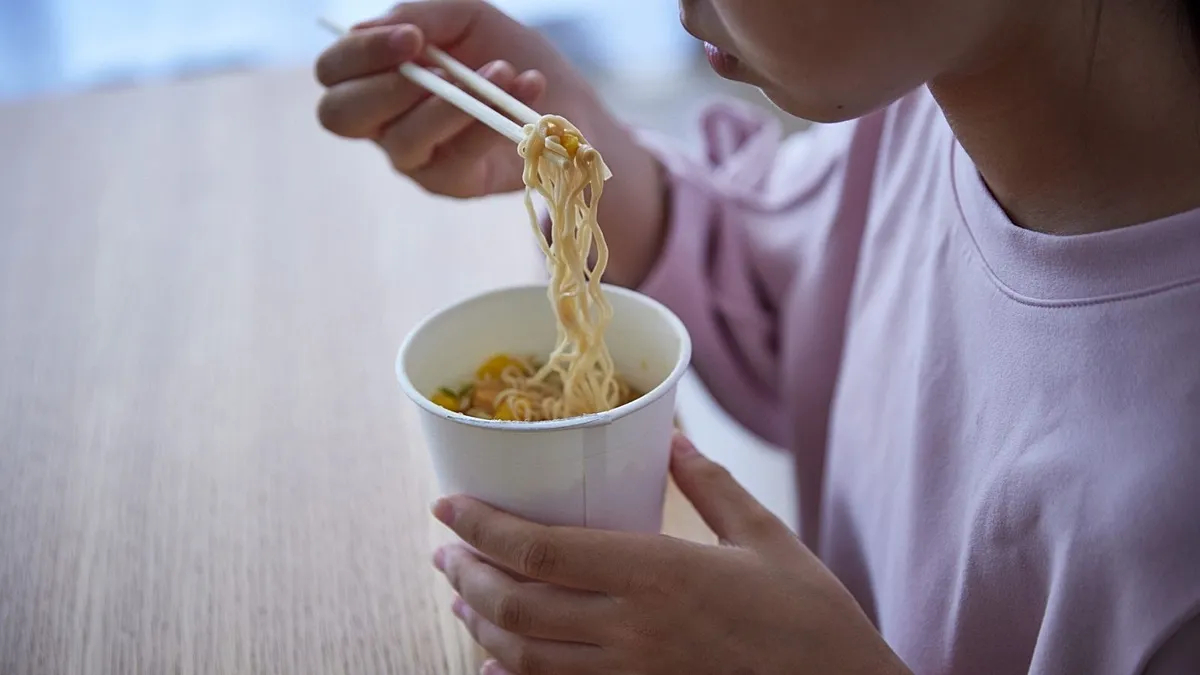
Flavoured noodles linked to more than 100 – Authorities in Europe have identified a multi-country outbreak of salmonella infections tied to flavoured noodle products, with 106 confirmed cases reported in 14 nations. The European Food Safety Agency (EFSA) and the European Centre for Disease Prevention and Control (ECDC) have confirmed the link, highlighting the role of these packaged foods in spreading the bacterial infection. The affected individuals were primarily children and young adults, with at least 49 requiring hospital care due to the severity of their symptoms. This development has prompted a coordinated response from European health regulators to contain the spread.
Investigations Narrow the Source to a Single Brand
The agencies emphasized that flavoured noodle products from a single brand are the most probable origin of the outbreak. Epidemiological studies revealed that the majority of infections traced back to the consumption of items produced by this brand, suggesting a widespread contamination issue. While the exact vendor was not named, the focus has shifted to a Ukrainian-based manufacturer, as strains of Salmonella Stanley, among others, were found to be connected to production facilities in the country.
“Flavoured noodle products are the most likely source of an ongoing multi-country outbreak of infections, with evidence linking the cases to items from the same brand,” the agencies said in a joint statement.
European health officials noted that the outbreak spans multiple countries, including Austria, Britain, Czechia, Denmark, Estonia, France, Germany, Hungary, Latvia, Lithuania, the Netherlands, Norway, Poland, and Sweden. This broad geographical spread underscores the interconnectedness of food supply chains across the continent. The agencies also highlighted that control measures, such as product withdrawals and recalls, have been implemented to mitigate further cases. These actions are expected to significantly reduce the risk of new infections, according to their findings.
Reeva Foods Responds to Alleged Contamination
Reeva Foods, a company that distributes flavoured noodles in the Baltic region, has acknowledged the issue in a recent statement. The firm cited an “alleged detection” of Salmonella Stanley in a specific batch of its instant noodles, which were produced by Euro Food Service, a Ukrainian manufacturer. Reeva confirmed that it has initiated an internal investigation and removed the implicated products from shelves. The company has also outlined additional steps, such as independent laboratory testing, regulatory audits, environmental monitoring, and preventive measures, to address the situation.
“The safety of our consumers is our top priority,” Reeva stated in its official communication. “We have taken decisive action, including launching an internal probe and withdrawing affected batches, to ensure the issue is resolved swiftly.”
The company expressed cooperation with European regulatory bodies, indicating a commitment to transparency. Reeva’s response comes after reports of contaminated noodles were first raised by health authorities, which led to a rapid investigation into the production and distribution processes. The implicated batch was sold in the Baltic market, raising concerns about how the contamination might have spread across borders. While the exact cause of the contamination remains under review, the manufacturers have taken responsibility for the outbreak.
Impact and Public Health Concerns
Salmonella infections, though often mild, can pose serious health risks, particularly for vulnerable populations. Symptoms typically include diarrhoea, fever, stomach pain, nausea, and vomiting, which usually last a few days. However, the illness can be more severe for children, older adults, and individuals with compromised immune systems, leading to hospitalization in some cases. The widespread nature of the outbreak has heightened public awareness about food safety and the importance of traceability in the supply chain.
Health officials are urging consumers to check for any recalled products and to practice safe food handling. The agencies also emphasized the need for continued vigilance, as the bacteria can survive in various environments and may be present in other products from the same brand. The case numbers reflect a significant public health concern, with the potential for further cases if contaminated noodles remain in circulation. The outbreak has prompted discussions about the effectiveness of current food safety protocols, particularly for ready-to-eat items.
Global Supply Chain and Cross-Border Contamination
The incident highlights the complexities of the global food supply chain and how contamination in one region can affect multiple countries. Flavoured noodles, which are popular for their convenience and variety, are often produced in large quantities and distributed across Europe. This allows the bacteria to spread rapidly, especially if the source is not quickly identified. The involvement of a Ukrainian producer suggests that international cooperation is essential in addressing such outbreaks, as regulatory oversight may vary across different markets.
Experts warn that the potential for cross-border contamination is a growing challenge in modern food systems. The agencies have called for a thorough examination of production processes to determine how the bacteria entered the supply chain. They also stress the importance of consumer education, as many may not be aware of the risks associated with certain food products. The case of flavoured noodles serves as a reminder that even seemingly safe foods can carry hidden dangers if proper hygiene measures are not followed.
Future Steps and Preventive Measures
Reeva Foods has committed to further investigations to identify the root cause of the contamination. This includes testing additional batches of its products and reviewing the entire production process. The company also plans to enhance its quality control systems to prevent similar incidents in the future. Meanwhile, European health authorities continue to monitor the situation, providing updates on the number of cases and the effectiveness of containment efforts.
The outbreak has sparked a renewed focus on food safety standards, with calls for stricter regulations in the production and packaging of flavoured noodles. Public health officials are also considering long-term strategies to improve surveillance and response mechanisms for foodborne illnesses. As the investigation unfolds, the role of international collaboration in ensuring food safety will be critical. The incident underscores the need for transparency and accountability in the food industry, particularly when products are consumed by millions across Europe.
Consumers are advised to stay informed about recalls and to report any suspected cases of illness linked to the implicated products. The agencies are working closely with manufacturers and retailers to ensure that all contaminated items are removed from the market. This coordinated effort aims to protect public health while maintaining consumer confidence in food safety. As the situation develops, further details about the outbreak and its implications will be shared with the public to keep them updated on the ongoing response.