EU Ban on Russian Combatants Faces Resistance from France and Italy
Member States Question the Feasibility of the Proposed Restriction
EU ban on Russian combatants faces – France and Italy have raised concerns about a new EU proposal to restrict the entry of current and former Russian military personnel into the bloc. Diplomatic sources indicate that both nations are hesitant to support the measure, citing issues related to legal frameworks and technical implementation. While the plan is part of a broader effort to isolate Russia economically and politically, its practical impact on the countries that receive the most Russian visa applications remains a point of debate.
The ban, which is part of the 21st round of sanctions targeting Russia for its invasion of Ukraine, aims to limit the movement of individuals linked to the war effort. Officials argue that such restrictions are necessary to bolster security and prevent potential threats. This rationale echoes previous EU actions, including the prohibition of former Islamic State fighters from entering the Schengen Area. However, France and Italy, which handle the highest volume of Russian visa requests in the EU, are challenging the effectiveness of this approach.
Visa Applications and the Scale of the Challenge
According to recent data, France has seen the largest number of Russian arrivals in the EU, with just under 180,000 visitors recorded in 2025. Italy follows closely with approximately 160,000, while Spain reports around 100,000. These figures highlight the logistical complexity of implementing the ban, as the countries are already managing a substantial flow of travelers. The European Commission acknowledges that the measure could affect a small fraction of these visitors, given the high casualty rate among frontline troops and the limited resources of many Russian soldiers.
Despite the relatively modest number of Russian combatants entering the EU, the proposal has sparked discussion about the broader implications for visa policy. France and Italy argue that the ban might be overly broad, potentially deterring legitimate travelers who are not directly involved in the war. They emphasize that the majority of Russian visitors are tourists or businesspeople, not military personnel. This distinction is crucial, as the countries stress that the measure could create unnecessary bureaucratic hurdles for those seeking to enter the bloc for peaceful purposes.
Security Concerns and the EU’s Approach to Sanctions
The European Commission has proposed integrating the ban into the existing sanctions framework, which targets Russia for its actions in Ukraine. The measure is designed to complement other restrictions, such as asset freezes and trade limits. However, France and Italy question whether this approach is legally sound. They point out that visa policy is a shared responsibility between the EU and its member states, which complicates the enforcement of a unified rule.
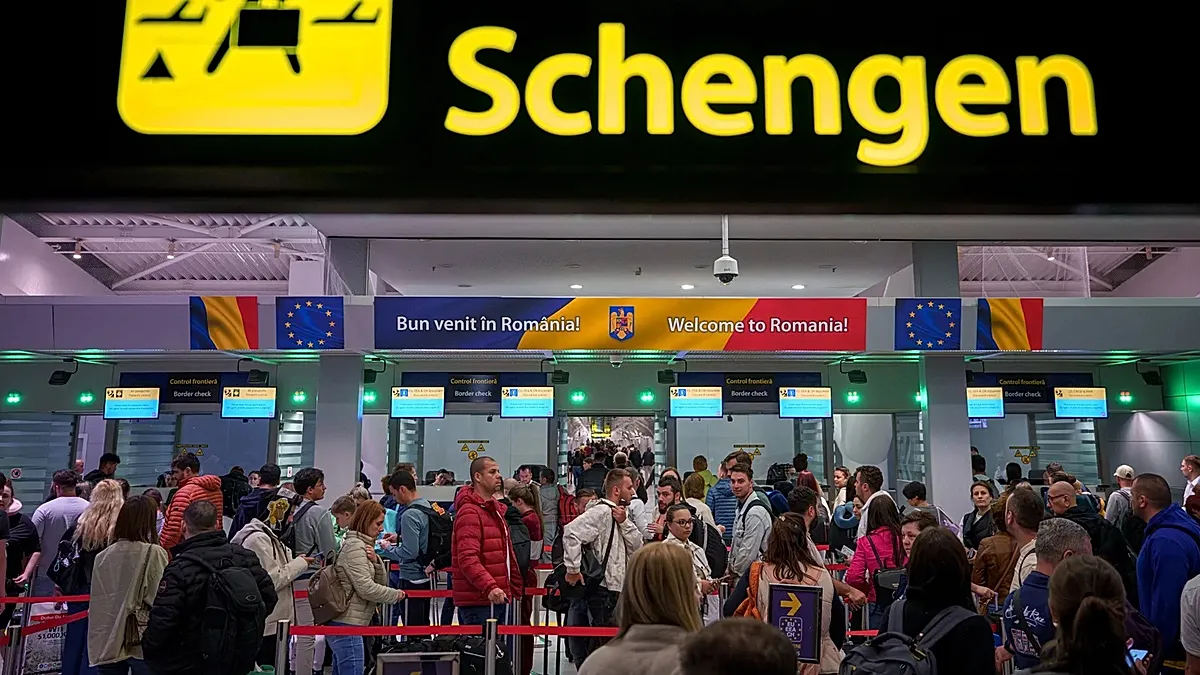
Some diplomats believe the proposal could be implemented through adjustments to the Schengen Information System, the EU’s border management database. This system is already used to monitor travelers in real time, and officials suggest it could be updated with data on individuals who have served in the military. Such a move would allow member states to flag potential risks without entirely closing the borders. Others propose requiring Russian applicants to provide evidence of their military service, prompting individual assessments for each case. This would align with the EU’s previous practice of scrutinizing former extremists, but critics argue it may be difficult to apply consistently.
Pushback from Southern and Eastern Europe
Earlier this month, a group of 11 EU nations from northern and eastern Europe advocated for stricter visa rules for Russian tourists. This coalition highlights the growing divide within the bloc, as some members push for more stringent measures while others, like France and Italy, seek to balance security with economic interests. The increased number of Russian arrivals since the war began in 2022 has fueled these discussions, with some countries arguing that the flow of visitors has become a strategic asset rather than a security risk.
France and Italy have stressed that Russian travelers bring cultural exchange and economic benefits to the EU. They note that many visitors are from middle-class backgrounds, which may not align with the image of combatants. The countries also question the practicality of identifying all Russian military personnel among the thousands of visa applicants. “They’re not nice tourists; they don’t come here to relax on the beach. It’s a security issue,” said an anonymous EU diplomat, reflecting the sentiment that the ban is justified as a preventive measure. However, the diplomat admitted that the implementation would require significant coordination across member states.
Technical Solutions and the Path Forward
The European Commission is exploring technical options to enforce the ban without disrupting the visa process. One idea involves updating the Schengen Information System with intelligence from the 30 participating countries, potentially including records of human rights abuses or war crimes. This approach mirrors the EU’s strategy during the Yugoslav wars, where former combatants were tracked based on their actions.
Another proposal is to introduce a new requirement for Russian applicants to disclose their military service when applying for a visa. This would allow border authorities to conduct case-specific evaluations, ensuring that only those with clear ties to the war effort are restricted. However, France and Italy argue that such a system could be cumbersome, especially for applicants who have not been identified as combatants. They also question whether the ban would be enforceable in practice, given the vast number of applications processed annually.
As the debate continues, the EU is aiming to finalize the sanctions package before mid-July to prevent an automatic revision of the measures. This timeline adds pressure to reach a consensus, as member states must align their policies while considering the impact on tourism and trade. France and Italy are expected to play a key role in shaping the final agreement, given their position as the bloc’s largest recipients of Russian visitors. Their resistance could influence the extent of the ban or delay its implementation altogether.
Broader Implications for EU Unity
The disagreement over the ban underscores the challenges of maintaining a unified front in response to Russia’s actions. While some nations prioritize security, others emphasize the importance of economic ties and cultural diplomacy. This tension may affect the EU’s ability to enforce sanctions consistently, particularly as the bloc navigates the complexities of border control and visa processing.
France and Italy’s concerns also highlight the need for a more nuanced approach to sanctions. Rather than applying broad restrictions, they advocate for targeted measures that address specific risks without impacting the broader population. This strategy aligns with their argument that the ban’s impact on actual combatants would be minimal, given the high number of casualties and the limited resources of many soldiers.
Ultimately, the success of the EU’s ban depends on the collaboration between institutions and member states. As the European Commission works to refine the proposal, the debate over its implementation will likely continue. The measure remains a symbol of the EU’s commitment to security, but its practical application will require careful consideration of both legal and operational challenges. The outcome of this discussion could shape the bloc’s future approach to dealing with Russian influence, setting a precedent for how sanctions are applied in an increasingly interconnected world.
“They’re not nice tourists; they don’t come here to relax on the beach. It’s a security issue,” said an anonymous EU diplomat. This statement captures the core argument for the ban, though it also reflects the difficulty of distinguishing between ordinary travelers and those with potential ties to Russia’s military operations.
While the proposal is still under review, the EU’s ability to implement the measure effectively will depend on its capacity to streamline the visa process and ensure cooperation among member states. The countries most affected by the ban, particularly France and Italy, are likely to remain central to the discussion, as they balance the need for security with the realities of managing large-scale immigration. The final decision could have far-reaching consequences, not only for Russian combatants but also for the EU’s broader strategy in the ongoing conflict with Russia.