Buurtzorg: the Dutch proximity health care revolution
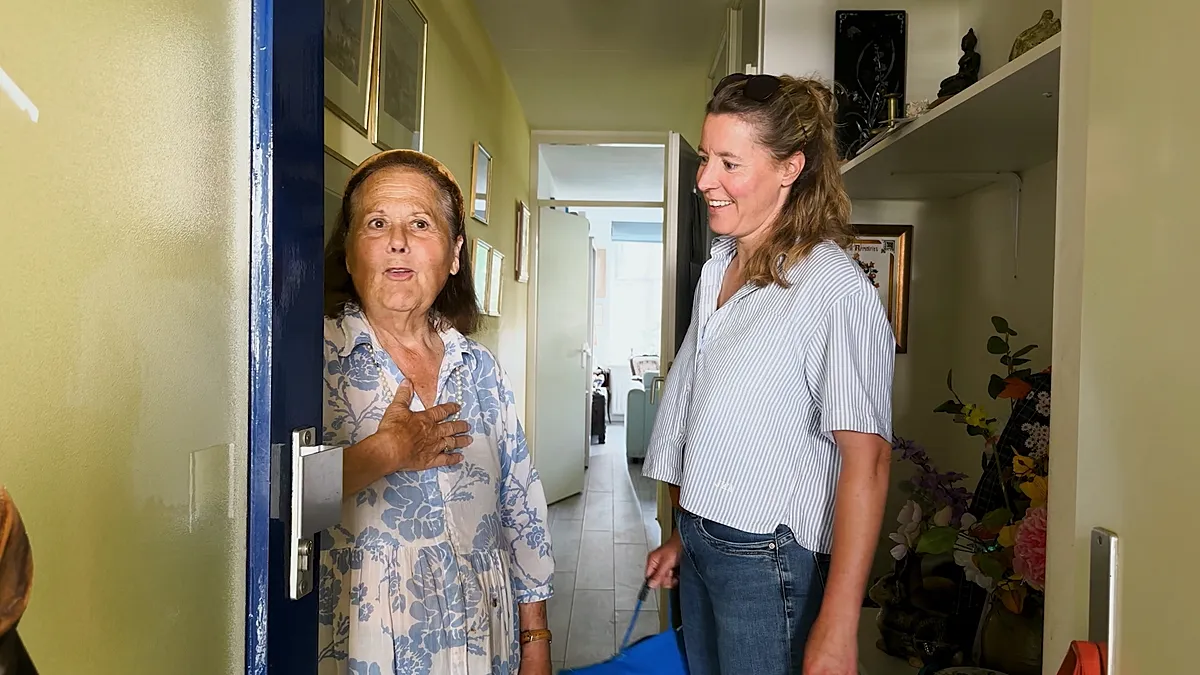
Buurtzorg – In the quiet city of Amersfoort, Anne-Marie Wildbergh, an 88-year-old woman living with dementia, greets Deborah Warta, a community nurse, with a cheerful exclamation. “What a lovely day! Blue sky, a shining sun. It’s a gift!” she says, her voice bright despite the challenges of her condition. Deborah begins her daily rounds, offering care that blends routine with personal connection. Anne-Marie’s routine includes watering flowers on her balcony, a task she finds joy in, before returning to her flat with a smile. “Oh yes! Here’s the day’s candy,” she jokes, retrieving pills from an automatic dispenser. This moment encapsulates the warmth and individuality that define Buurtzorg’s approach to home care.
A Model of Human-Centered Care
Buurtzorg, the Netherlands’ largest home care organization, is more than a service—it’s a movement redefining how healthcare is delivered. Its name, translating to “neighbourhood care,” reflects its core philosophy: placing patients at the heart of the care process. Deborah, one of the organization’s dedicated nurses, explains that the model prioritizes independence, ensuring individuals like Anne-Marie can live comfortably in their own homes. “You cook, you shower, you dress well, and you’re enjoying your life in your neighbourhood,” she adds, highlighting the holistic support Buurtzorg offers.
Bert de Bruin, another patient, echoes this sentiment. Diagnosed with Parkinson’s disease, he recalls a less satisfying experience in a rehabilitation center after an accident. “I felt somehow like a number,” he says. “Now I can really feel the difference.” His positive shift underscores the value of close, personal interactions. Deborah emphasizes the rapid response Buurtzorg provides: “Bert has a lot of professionals around him, and we have very close contacts with each other. If anything happens, we can react very quickly.” This teamwork is central to the model, allowing caregivers to address needs promptly and effectively.
The Founder’s Vision
Jos de Blok, the founder of Buurtzorg, established the organization in 2006 after observing a growing disconnect in the Dutch healthcare system. “I started it all because I felt that the community care system in the Netherlands was getting worse and worse,” he recalls. At the time, nurses were overwhelmed by bureaucracy, often unable to make decisions that directly benefited their patients. “They couldn’t solve problems for patients that could easily be prevented through a direct relationship with them,” de Blok explains. His vision was to empower nurses, giving them autonomy to tailor care to individual circumstances.
Team autonomy, de Blok argues, has proven to be a game-changer. “The carers feel ownership, they feel accountable for what they’re doing, and they try day by day to do the best possible things for their patients,” he says. This sense of responsibility extends to the patients themselves. “If you don’t interfere, it all goes well,” he adds, noting that trust and flexibility are key to maintaining both efficiency and quality. The model’s success lies in its ability to balance structured care with personal agency, ensuring that each patient’s unique needs are met without unnecessary red tape.
Global Influence and Cost Efficiency
Buurtzorg’s innovative approach has not only transformed care within the Netherlands but also inspired similar programs in over 20 countries worldwide. The CEO of the organization highlights the economic benefits of this model, stating, “We’ve shown that by doing the right thing at the right time, you can do it faster, and with less money.” With minimal overhead, the organization operates on a lean structure, allowing resources to be allocated more effectively. “My idea is that if we use these principles throughout the healthcare system, costs would go down by 25%,” the CEO smiles, envisioning a broader application of Buurtzorg’s philosophy.
This efficiency is achieved through a focus on what matters most: direct, meaningful engagement between caregivers and patients. “Good healthcare is putting a skilled person with a patient that needs something,” the CEO emphasizes. “It’s about doing the right thing at the right time, while involving the people around so that they can participate in the best possible way.” This collaborative model not only improves patient outcomes but also fosters a sense of community within the care process.
Expanding the Scope of Care
While Buurtzorg is rooted in physical health, its impact extends beyond the body. In Amsterdam, Marjolijn Onvlee, a district nurse, and Anke Sprakel, a journalist specializing in legal matters, have taken a creative step forward. Together, they co-produce *Radio Steunkous*—a weekly podcast titled “support stocking” that captures stories from older residents. Using a mobile recording studio, the duo interviews community members about their health routines, revealing the importance of mental and social well-being.
“What do you do to stay healthy?” Anke asks an elderly man wearing a cycling helmet. His answer is simple yet insightful: “I go swimming. But I also read and write a lot, to keep my mind active. Because I have Alzheimer’s disease,” he shares. This conversation highlights how Buurtzorg’s philosophy adapts to address both physical and cognitive challenges. “Mental care is just as important as physical care,” Anke insists, underscoring the organization’s commitment to a well-rounded approach. Their podcast serves as a platform for residents to voice their experiences, reinforcing the value of proximity and personal connection in healthcare.
A Legacy of Empowerment
Buurtzorg’s success is a testament to the power of decentralized, patient-focused care. By granting nurses the authority to make decisions, the model reduces administrative burdens and enhances responsiveness. Anne-Marie, who relies on Deborah’s support, reflects on the care she receives: “It’s good that people in my situation can have carers looking after us at home. And I’m never alone. It really helps.” Her words highlight the emotional and social benefits of Buurtzorg, which go hand in hand with medical support.
Deborah, reflecting on her role, emphasizes the personal element of the job. “The way Deborah and her colleagues take care of me is extraordinary,” Bert says, a sentiment shared by many patients. The absence of a hierarchical structure in team meetings further reinforces this autonomy, allowing nurses to discuss challenges and solutions collectively. This approach fosters innovation and adaptability, ensuring that care evolves with the needs of the community.
As the sun sets over Amersfoort, Deborah continues her work, embodying the spirit of Buurtzorg. Her dedication, combined with the organization’s systemic changes, has created a healthcare model that prioritizes human connection over impersonal procedures. From the vibrant interactions of patients like Anne-Marie to the strategic vision of its founder, Buurtzorg stands as a beacon of what is possible when care is rooted in empathy, independence, and collaboration. This revolution in proximity healthcare not only improves quality of life for individuals but also reimagines the future of medical services across the globe.