Belgium Issues Visas to Taliban Delegation for EU Migration Talks
Belgium issues visas to Taliban delegation – In a recent development, Belgium has granted visas to a Taliban delegation, enabling their participation in a migration-focused event in Brussels. This marks the first time since the Taliban regained control of Afghanistan in 2021 that representatives of the group have attended an EU-hosted meeting. The decision has been met with mixed reactions, as it opens the door for dialogue on issues affecting Afghan nationals while also drawing scrutiny from human rights advocates.
Taliban’s First EU Engagement
The upcoming meeting, set to take place shortly after the visas were approved, is expected to center on migration policies and the potential repatriation of Afghan citizens who have not secured residency rights within the European Union. European officials emphasized that the talks will occur at a technical level, with no implication of formal recognition for the Taliban government. Despite this, the event has raised concerns about the EU’s alignment with the group’s governance practices.
Belgium’s Foreign Minister, Maxime Prévot, expressed reservations about the invitation, stating that he believed the meeting could be avoided. However, he defended the decision, explaining that the country’s role as a host for EU institutions required it to accommodate the request. The delegation’s access will be limited to Belgium, with a single-day visa validity period, as part of a security measure to mitigate risks.
“Any engagement with the Taliban should focus on accountability and human rights, not on facilitating deportations to a country that remains a significant danger,” said one human rights representative.
Human Rights Concerns
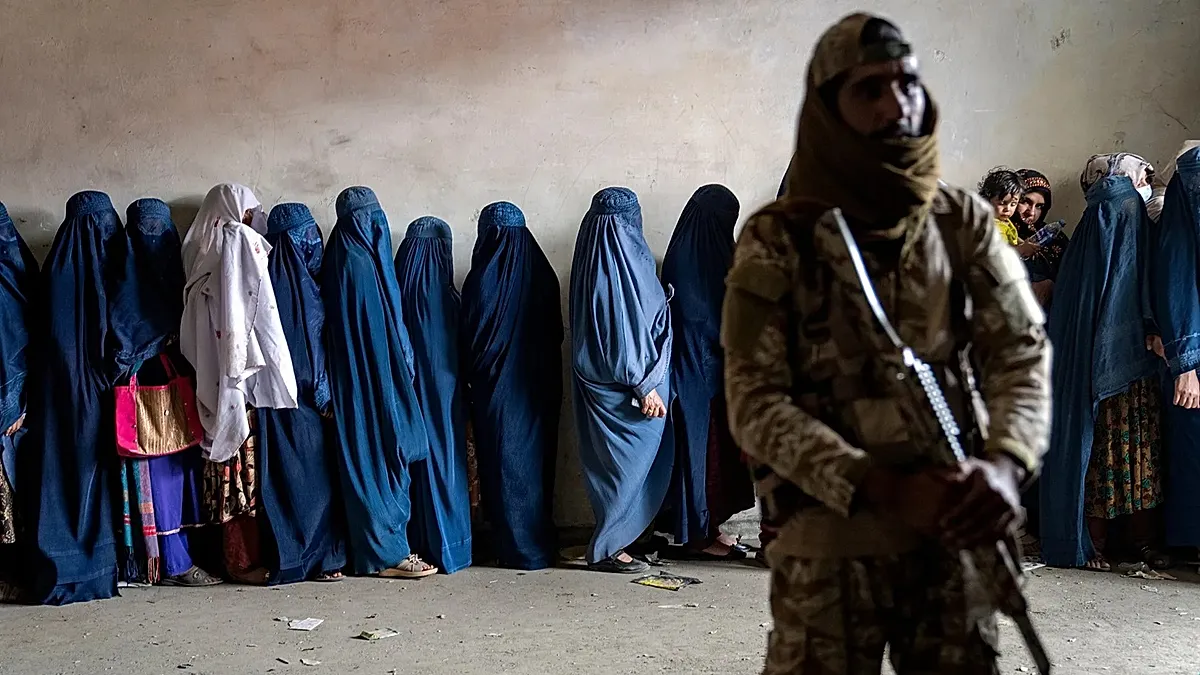
The move has sparked criticism from organizations such as Human Rights Watch and Amnesty International, which argue that the EU’s collaboration with the Taliban could weaken its commitment to protecting fundamental rights. These groups highlight the Taliban’s policies, including severe restrictions on women and girls, which limit their access to education, employment, and freedom of movement. They contend that the talks may inadvertently support the group’s efforts to expel Afghan refugees, exacerbating the crisis in the region.
Belgium’s approval of the visas followed thorough security assessments, which found no evidence of threats posed by the delegation members. While the government has not disclosed the exact date of the visit, EU sources suggest it will occur soon after the visa issuance. The restricted entry and short duration reflect a cautious approach, balancing diplomatic engagement with security considerations.
Broader EU Migration Pressures
European governments are under increasing pressure to strengthen migration controls. While Afghans continue to be among the most granted asylum seekers in the EU, several member states have advocated for stricter policies and enhanced cooperation on repatriations. The Taliban’s inclusion in these discussions is seen as a strategic move to address the flow of migrants from Afghanistan, particularly those whose asylum applications have been rejected.
According to the United Nations, Afghanistan is currently experiencing a severe humanitarian crisis. Millions of citizens face food insecurity and economic hardship, compounded by the influx of returnees from neighboring Iran and Pakistan. The situation has intensified since the Taliban took power, with reports of deteriorating living conditions and limited access to basic services for vulnerable populations.
Despite the ongoing crisis, the EU’s decision to invite the Taliban delegation underscores the group’s growing influence in international affairs. The meeting represents an effort to align migration strategies with the realities on the ground, even as critics question the moral implications of the engagement. Human rights groups have called for the EU to prioritize accountability, urging that any dialogue with the Taliban should be conditional on improvements in their treatment of women and minorities.
The controversy has also highlighted internal divisions within Belgium. While the Foreign Minister opposed the visit, some officials supported it, citing the need for pragmatic cooperation with the group. This reflects a broader debate within the EU about how to balance security, diplomacy, and human rights in the context of Afghanistan’s ongoing challenges. The meeting may serve as a precedent for future interactions, though its impact on the group’s international standing remains uncertain.
Technical Talks and Diplomatic Implications
The European Commission had previously announced its intention to invite Taliban officials to Brussels for discussions on the return of migrants to Afghanistan. This initiative was framed as a technical process, focusing on practical solutions rather than endorsing the Taliban’s governance. However, the inclusion of the group in such talks has been interpreted by some as a step toward diplomatic recognition, raising questions about the EU’s stance on the Taliban’s human rights record.
European officials have reiterated that the meeting is aimed at addressing migration challenges, not at formalizing relations with the Taliban. They argue that the group’s participation is necessary to facilitate the return of Afghan nationals, ensuring that migration policies are aligned with the current political landscape. This approach, however, has drawn criticism from those who believe it compromises the EU’s values, particularly in light of the Taliban’s continued restrictions on women’s rights.
The Taliban’s policies have been a focal point of international criticism since 2021. Their control over Afghanistan has led to widespread restrictions on women and girls, including bans on education and employment. These measures have been described as severe by human rights organizations, which have called for the EU to take a firm stance against such practices. The recent visa issuance, therefore, has been seen as a potential endorsement of these policies by European institutions.
Amid these tensions, the EU remains divided on the issue. Some member states advocate for closer ties with the Taliban, emphasizing the importance of resolving migration issues through dialogue. Others, however, urge caution, arguing that the group’s human rights record should be a key consideration in any diplomatic engagement. The upcoming talks may further this debate, as they provide a platform for the Taliban to present their perspective on migration and asylum.
As the meeting approaches, the focus will be on whether the EU can maintain its commitment to human rights while addressing the practical needs of migration management. The outcome of these discussions could have lasting implications for the group’s relationship with the European Union and the broader international community. For now, the decision to issue visas signals a cautious but deliberate step toward engagement with the Taliban, even as concerns about the group’s impact on Afghan citizens persist.