Wildfire Smoke: A Health Emergency Beyond the Flames, WHO Warns
A Growing Crisis Across Southern Europe
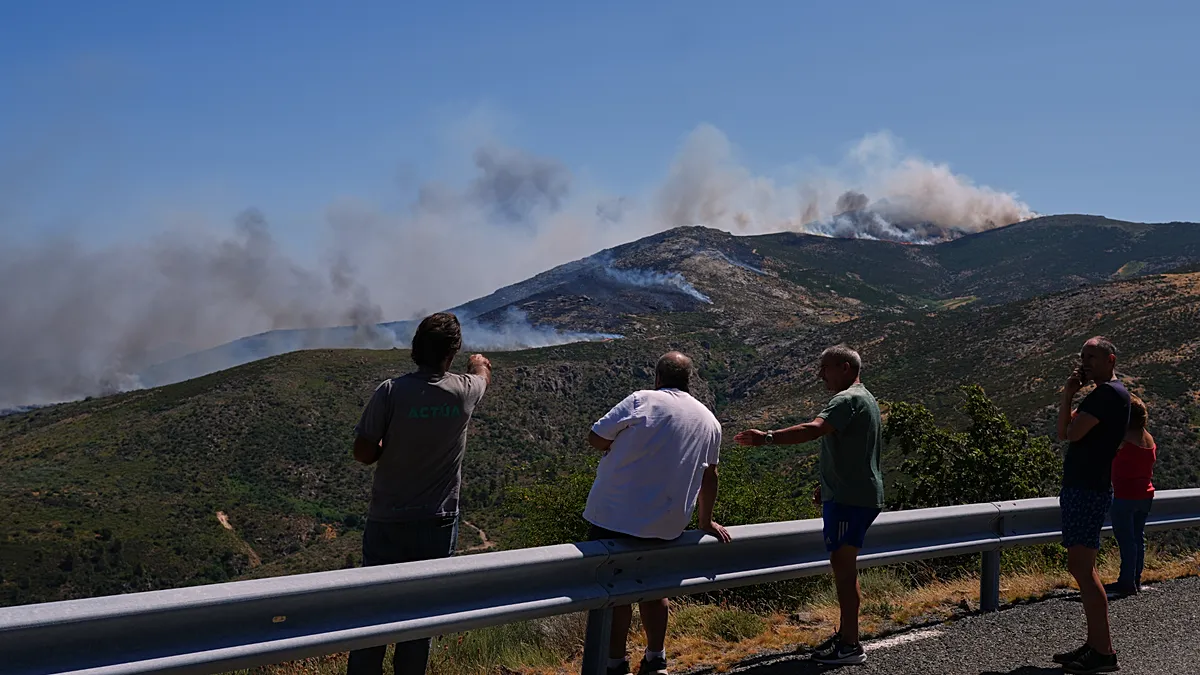
Usagevpn.com – Across southern Europe, communities are grappling with one of the most severe wildfire seasons in recent memory. These blazes have triggered widespread evacuations, destroyed critical infrastructure, and resulted in fatalities. Yet beyond the visible destruction, there is a mounting crisis affecting public health and straining medical facilities throughout the region.
Dorota Jarosinska, who serves as Programme Manager at the World Health Organization’s European Centre for Climate Change, Environment and Health, emphasized the severity of the situation. Speaking with Euronews Health, she explained that these events transcend mere fire episodes that disrupt daily life and create immediate threats. “These are not merely fire episodes affecting livelihoods and creating this immediate danger; it’s a true health emergency,” she stated.
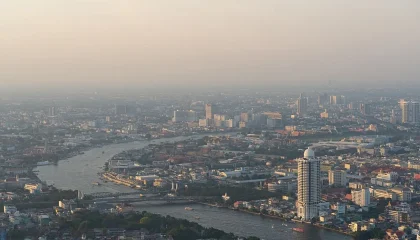
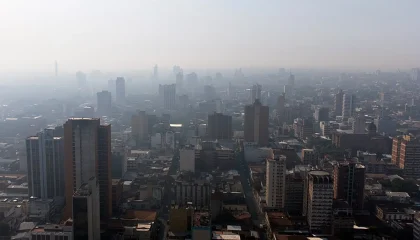
“This smoke coming from wildfires may travel hundreds, if not thousands of kilometres, impairing air quality in places very distant from the fire itself, including urban areas that are heavily inhabited, affecting potentially many people.”
The Invisible Threat of Smoke
One of the most concerning aspects of wildfire smoke is its ability to travel vast distances. According to Jarosinska, the impacts extend far beyond the fire’s origin and can persist long after the flames have been extinguished. She noted that people do not need to witness burning structures or see smoke plumes to face health risks.
The composition of wildfire smoke presents multiple dangers. It contains a complex mixture of toxic pollutants, gases, and particulate matter. The specific health hazards depend on what materials are being consumed by the fire. Many wildfires engulf plastics, electronic devices, and painted surfaces, all of which release harmful chemicals into the atmosphere.
“These small, fine particles can really penetrate from the lungs to our blood and trigger a response in our organism, activating our immune system and causing inflammation,” Jarosinska said.
Vulnerable Populations at Greater Risk
While individuals with good health may experience only mild symptoms—such as nasal congestion or throat irritation—those with pre-existing conditions face significantly higher risks. Jarosinska highlighted that people suffering from asthma or chronic pulmonary diseases are especially susceptible. Additionally, individuals with heart conditions, young children, and elderly citizens are among the most vulnerable groups.
The range of symptoms is considerable, extending from minor discomfort to life-threatening complications. “The symptoms are diverse and can range from mild to very severe, even life-threatening,” Jarosinska added.
Public Health Guidance Needs Refinement
Current public health recommendations tend to be broad, targeting the general population rather than addressing the specific needs of high-risk groups. Standard advice includes remaining indoors and reducing physical activity, which benefits everyone regardless of air quality levels. However, Jarosinska advocated for more sophisticated guidance that better recognizes vulnerable communities.
“Advice is also given to use air conditioning and these high efficiency filters and that’s very good advice for those who have these devices,” Jarosinska said.
She cautioned that certain recommendations may inadvertently exclude individuals without access to air conditioning or clean-air environments. Authorities have a responsibility to ensure that cooling centers and spaces with filtered air are accessible to all community members, particularly disadvantaged populations, non-native speakers, and those with limited access to healthcare or information.
Strengthening Healthcare Systems
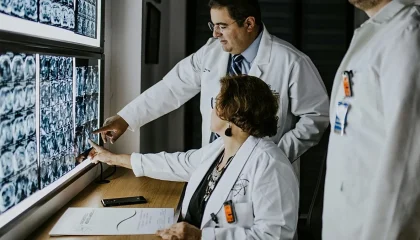
Beyond individual protection, the growing threat of wildfire smoke demands enhanced healthcare system capacity. Jarosinska pointed out that while public attention often focuses on personal suffering, the health sector itself faces enormous pressure.
Medical professionals require proper training and resources to effectively address smoke-related health issues. They must understand air quality indicators, know how to communicate risks to patients, and provide appropriate guidance based on individual health conditions.
“The immediate priority is to strengthen the position of the health sector: to train people, to equip them, so that the health argument is communicated more strongly and factored into local action,” Jarosinska added.
As climate emergencies become more frequent, building resilience within healthcare infrastructure will be essential for protecting communities across Europe and beyond.
Related Reading
Frequently Asked Questions
What is Wildfire smoke?
Wildfire smoke is the main topic of this guide. The article explains the context, practical details, and next steps readers should understand.
Why does Wildfire smoke matter?
Wildfire smoke matters because readers are looking for a useful answer, not just a short summary. Good content should match search intent and help them decide what to do next.