
WHO chief reassures ‘worried’ Tenerife residents ahead of hantavirus ship arrival expected Sunday
WHO Chief Reassures ‘Worried’ Tenerife Residents Ahead of Hantavirus Ship Arrival Expected Sunday
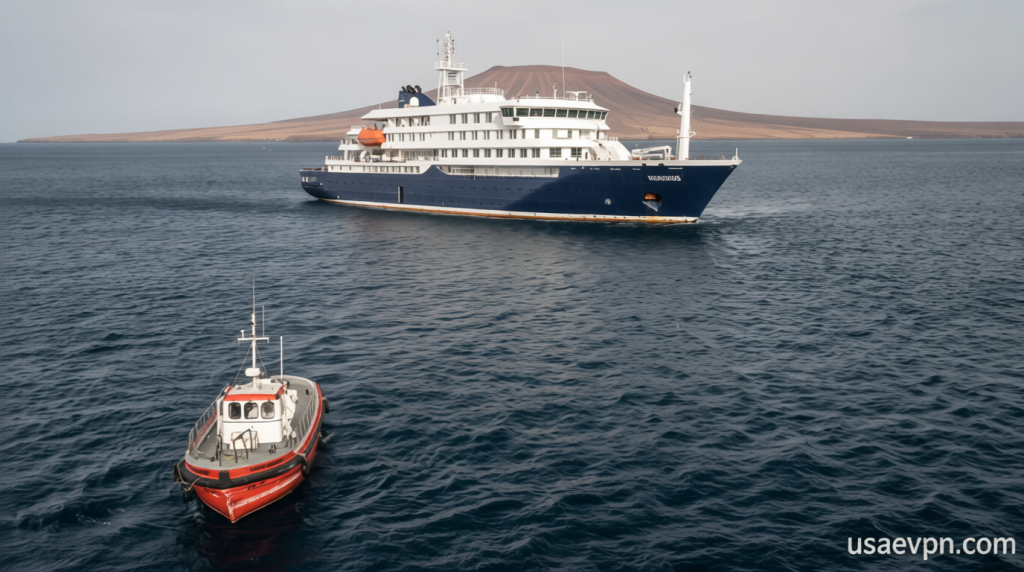
WHO chief reassures worried Tenerife residents – The World Health Organization’s (WHO) director general, Tedros Adhanom Ghebreyesus, has taken steps to alleviate fears among the people of Tenerife as a cruise ship carrying passengers infected with hantavirus is set to arrive on the Spanish island. The MV Hondius, which has reported three fatalities linked to the virus, is scheduled to dock at Granadilla port early Sunday morning. Tedros, currently on the island to oversee the evacuation process, acknowledged the public’s apprehension but emphasized that the current situation does not pose the same level of threat as the earlier pandemic.
Evacuation Plan and Safety Measures
Tedros outlined a detailed plan to ensure the safe transfer of nearly 150 passengers from the MV Hondius. He highlighted that the Spanish authorities had developed a “meticulous, phased strategy” to manage the arrival. Passengers will be transported ashore via “enclosed, secured vehicles,” kept away from residential zones until they are repatriated to their respective countries. “There is no risk of exposure to the general population,” he assured, adding that the measures are designed to prevent the virus from spreading further.
“The current public health risk from hantavirus remains low,” Tedros stated in a letter to Tenerife’s residents. “We did not make this assessment lightly.”
The plan includes the use of inflatable boats for disembarking, with passengers grouped by nationality to streamline the process. According to Spain’s Minister of Health, Monica Garcia, the remaining passengers will be repatriated after being examined at a military hospital. The 14 Spanish nationals on board will receive medical care there before being sent back to their home countries.
International Collaboration and Risk Assessment
The United States Centers for Disease Control and Prevention (CDC) has deployed epidemiologists and medical professionals to evaluate the risk for American passengers once the ship reaches Spanish waters. These experts will conduct individual assessments for each U.S. traveler, ensuring that any potential transmission is monitored closely. A spokesperson from the U.S. Department of Health and Human Services confirmed that the risk to the broader American public is “virtually negligible” at this time.
Additionally, a biocontainment unit will be used to transport American passengers back to the U.S., a setup reminiscent of the measures taken during the coronavirus crisis. The unit will enable the safe removal of infected individuals, minimizing the chance of community spread. This international effort underscores the global response to the outbreak, with countries like Germany, France, Belgium, Ireland, and the Netherlands preparing to send aircraft to assist in the evacuation of their citizens.
Tensions and Local Concerns
Despite the coordinated efforts, the arrival of the MV Hondius has sparked unease in Spain. Fernando Clavijo, the leader of the Canary Islands, initially expressed reservations about allowing the ship to dock, citing worries about public health implications. His concerns were echoed by local port workers, who held demonstrations earlier this week, highlighting their frustration over inadequate communication regarding the virus’s potential impact.
Clavijo later softened his stance, acknowledging that the government’s decision to accept the ship was a “gesture of solidarity and moral responsibility.” He also admitted that the choice of Tenerife for the operation was based on its robust infrastructure and medical capabilities. “The island is well-equipped to ensure the safety of those on board,” he remarked during a recent press briefing.
The port’s location has been selected by maritime and emergency authorities as “the most secure site” for the operation. This decision aims to isolate the ship from densely populated areas, reducing the likelihood of any accidental exposure. The setup includes designated zones for disembarking passengers and the coordination of multiple agencies to manage the process efficiently.
Health Protocols and Monitoring
Spain’s health ministry has detailed the protocols in place for passengers arriving at the military hospital. Each individual will be placed in a private room, with visitors restricted to limit the spread of the virus. Upon arrival, a PCR test will be conducted, followed by a second test after seven days. “Active monitoring will also occur, including twice-daily temperature checks to detect symptoms early,” the ministry clarified in a statement.
These measures are part of a broader strategy to contain the outbreak, which is primarily associated with the Andes variant of hantavirus. The CDC has noted that their team has extensive experience with this strain, which is known for its ability to cause severe respiratory complications. The focus remains on maintaining strict hygiene standards and minimizing contact between infected individuals and the local community.
Timeline and Operational Details
According to Oceanwide Expeditions, the ship’s arrival at Tenerife’s Granadilla port is set for 5:30 a.m. local time on Sunday. From around 8 a.m., passengers and a small contingent of crew members will begin disembarking in organized groups. Spain’s interior minister, Fernando Grande-Marlaska, confirmed that 358 security personnel will be deployed to ensure the operation runs smoothly.
The evacuation process is expected to take place with minimal disruption to the island’s daily life. Tedros, alongside Garcia, visited the port on Saturday evening to review preparations for the next day. “We will do everything tomorrow to make the operation a success,” he declared, signaling the urgency of the task at hand.
Global Response and Public Confidence
The WHO’s reassurance aims to restore public confidence in Tenerife as the vessel’s arrival marks a critical phase in managing the outbreak. By emphasizing the lower risk compared to previous pandemics, Tedros hopes to ease the fears of both residents and the international community. The meticulous planning and collaboration between Spain and global health organizations demonstrate a commitment to safety and transparency.
As the MV Hondius prepares to dock, the focus shifts to ensuring that every step of the evacuation is executed with precision. The integration of medical teams, secure transportation, and strict monitoring protocols reflects a well-orchestrated response to the crisis. With the timeline set and preparations underway, the world watches closely as Tenerife becomes a key player in addressing the hantavirus outbreak through coordinated international efforts.