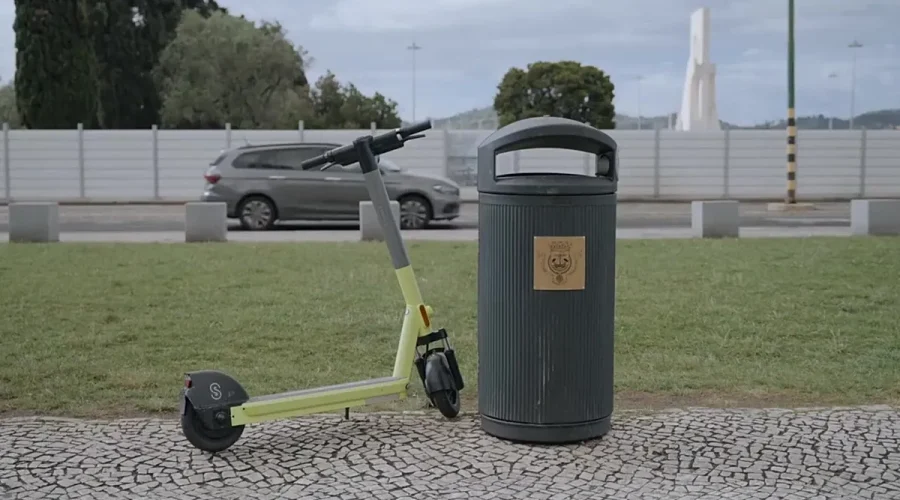
Children’s E-Scooter Injuries Surge as UK Hospitals Sound the Alarm
Usagevpn.com – Medical professionals across the United Kingdom are raising concerns about a dramatic escalation in pediatric injuries linked to electric scooters. A comprehensive analysis of hospital records reveals that cases involving young riders have multiplied by more than fifteen times over the past several years, creating what experts describe as an emerging crisis for public health systems.
Research Methodology and Key Findings
Scientists from three major pediatric facilities conducted an extensive review of patient data spanning from the beginning of 2019 through the end of 2024. The participating institutions included Sheffield Children’s Hospital, Royal Manchester Children’s Hospital, and Alder Hey Children’s NHS Foundation Trust located in Liverpool. Their investigation uncovered a striking upward trajectory in emergency department visits related to e-scooter accidents.
During the initial year of observation, medical staff recorded fewer than ten incidents. By 2024, that figure had climbed to approximately 150 cases annually. When examining all 477 children treated across the three centers, researchers discovered that 95 percent sustained injuries while riding their own scooters, with only 5 percent being pedestrians struck by passing riders.
The nature of these accidents followed predictable patterns. Falls from the vehicle represented the overwhelming majority at 75 percent of all incidents. Vehicle collisions accounted for nearly 11.5 percent, while pedestrians being hit by scooters made up the remaining 5 percent. Injury locations varied considerably, with head trauma affecting roughly one quarter of patients and facial injuries impacting nearly one in five young victims.
Hospital Care Requirements and Demographics
The severity of these injuries demanded significant medical resources. Nearly two-thirds of affected children needed diagnostic imaging procedures, including X-rays, computed tomography scans, or ultrasound examinations. Thirteen and a half percent required overnight hospital admission, while 7 percent underwent surgical intervention.
Demographic analysis revealed that injured children averaged twelve years of age, with boys comprising almost two-thirds of the patient population. Perhaps most troubling was the extremely low rate of protective equipment usage. Fewer than 2 percent of riders were documented wearing helmets when accidents occurred.
Regulatory Gaps and Geographic Disparities
Current legislation presents notable inconsistencies. The United Kingdom maintains no minimum age requirement for operating private electric scooters on private property. Meanwhile, rental scooter users must typically be at least sixteen years old and possess a valid driving license. Despite these distinctions, 80 percent of recorded incidents involved privately owned scooters rather than rental models.
Socioeconomic factors also played a significant role in the data. Researchers found that 74 percent of injured children resided in neighborhoods experiencing the highest levels of social and economic disadvantage. Experts suggest that younger road users tend to be less experienced and more willing to take risks, making targeted safety education particularly important for this demographic.
Proposed Solutions and International Context
Utilising approaches like educational campaigns, such as bicycle safety schemes targeted to e-scooter riders, could be beneficial and have been shown to improve riders’ safety behaviour.
Medical professionals are calling for multiple interventions to address this growing problem. They recommend that retailers take responsibility for informing customers about existing laws, while policymakers should consider implementing speed limiters and potentially mandating helmet use for all riders.
We urgently need to increase public and clinician awareness, have clearer public health messaging, and a review of government legislation to prevent further injuries and deaths.
These recommendations arrive as European nations reassess their approach to micromobility transportation. On the same day the study appeared, Paris implemented stricter regulations for electric scooters and similar personal mobility devices. Germany’s government introduced legislation in July that would hold rental operators like Lime and Bolt directly accountable for accidents involving their fleets.
Other major cities have taken decisive action as well. Madrid revoked operating licenses from several providers in 2024 after concerns about uncontrolled riding and improper parking accumulated. Prague eliminated shared electric scooters from public streets in January 2026, with Brussels scheduling a similar removal for January 2027.
Looking Forward
The convergence of rising injury rates, inadequate helmet usage, and evolving regulatory frameworks suggests that e-scooters will remain a prominent topic in public health discussions. Hospital administrators and policymakers alike recognize that preventing future injuries requires coordinated efforts spanning education, legislation, and infrastructure improvements. As cities continue adapting their streets for this new mode of transportation, ensuring the safety of young riders remains an urgent priority for communities across Europe and beyond.
Related Reading
Frequently Asked Questions
What is E scooters public health challenge as number?
E scooters public health challenge as number is the main topic of this guide. The article explains the context, practical details, and next steps readers should understand.
Why does E scooters public health challenge as number matter?
E scooters public health challenge as number matters because readers are looking for a useful answer, not just a short summary. Good content should match search intent and help them decide what to do next.