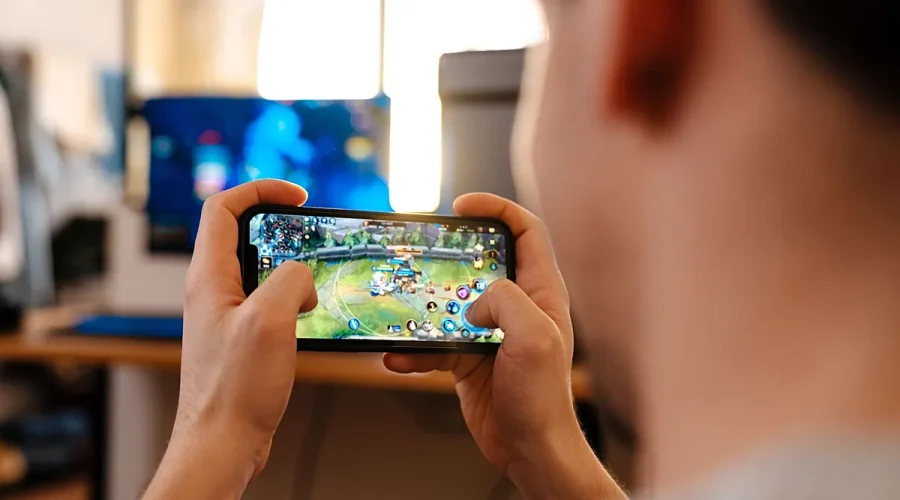
Phone in hand, pain in the elbow: the hidden physical cost of mobile gaming
Usagevpn.com – For millions of young adults, the smartphone has become both a study companion and a primary entertainment device. Hours spent thumbing through game menus, gripping a screen at awkward angles, and keeping the neck locked in a downward tilt are now woven into daily routines across the globe. A new body of research emerging from Jordan suggests that this routine is exacting a measurable physical price — one that shows up most sharply in the neck, upper back, elbows, and wrists of those who game compulsively.
The study behind the numbers
Researchers examined 364 medical students enrolled at universities in Jordan, probing whether a pattern of problematic mobile gaming behaviour correlated with musculoskeletal complaints. Using established diagnostic criteria, the team identified roughly 9% of the sample — 34 individuals — as meeting the threshold for mobile gaming addiction. The remaining participants served as a comparison group who played but did not display addictive patterns.
The choice of medical students as subjects is notable. These are young adults already trained to recognise bodily symptoms, yet they were not immune to the ergonomic hazards of prolonged handheld-device use. Their findings therefore carry particular weight: even individuals with formal health knowledge were reporting significant discomfort tied to their gaming habits.
Where the pain concentrates
The disparities between the two groups were most pronounced in the anatomical regions most directly stressed by sustained phone-holding. Neck pain was reported by 85.3% of students classified as addicted, against 65% of those who were not. Upper-back discomfort appeared in 64.7% of the addicted cohort versus 55% of their peers.
The elbow told the starkest story. Forty-one point two percent of addicted students reported elbow pain, while only 12.5% of non-addicted students experienced the same complaint — a gap of nearly threefold. Wrist and hand pain, though less dramatic in relative terms, still ran higher among the addicted group at 41.2% compared with 34%.
These figures align with what ergonomists have long understood about repetitive-strain mechanics. Holding a phone for extended sessions demands a sustained grip, locks the forearm and neck into fixed postures, and introduces small but constant repetitive micro-movements. Over weeks and months, that cumulative load translates into inflammation, muscular fatigue, and joint irritation in precisely the structures the study flagged.
Beyond the numbers: daily-life disruption
The research did not stop at symptom prevalence. Students with addictive gaming patterns were significantly more likely to state that their musculoskeletal problems interfered with ordinary activities — studying, pursuing hobbies, and performing routine tasks. A subset also reported having sought medical attention specifically for pain affecting the wrists and hands, as well as for hip and knee discomfort, suggesting the problem radiates beyond the upper extremities when posture compensates over time.
For a medical student, a stiff elbow or a throbbing wrist is not merely an inconvenience; it can undermine the very academic performance the student is training to deliver. The intersection of gaming behaviour and occupational readiness makes the finding especially relevant to universities that rely on long hours of screen-based study.
Reframing the conversation
The authors push back against a narrow framing that treats mobile gaming exclusively as a question of screen time or psychological wellbeing. In their view, the physical dimension deserves equal attention in public-health discourse. They call for greater awareness of what they term “digital health,” alongside ergonomic education, structured posture training, and deliberate behavioural modifications among student populations.
Gaming should not be viewed solely as a question of screen time or psychological wellbeing.
Practically, the researchers suggest that universities embed concrete guidance into existing student-health programmes: scheduled micro-breaks during long study or gaming sessions, instruction on neutral device positioning, and coaching on healthy gaming habits. The emphasis falls particularly on groups already spending extended periods in front of screens — precisely the demographic most exposed to the ergonomic risks outlined above.
Why this matters now
Mobile gaming has shifted from a niche hobby to a default leisure activity for a generation that grew up with smartphones as primary computing devices. Industry data consistently shows that smartphone-based titles now rival or exceed console and PC gaming in total playtime among under-25 users. As the behaviour normalises, the cumulative ergonomic load accumulates silently — no single session feels injurious, but the aggregate does.
The Jordan-based findings do not condemn mobile gaming. They simply make visible a cost that was already being paid, often without the player’s conscious awareness. A few additional breaks, a conscious adjustment of grip and posture, and institutional nudges toward healthier device use could, the researchers argue, protect both physical health and digital wellbeing without stripping away the entertainment itself. The question is no longer whether mobile gaming will remain central to young people’s lives; it is whether the surrounding infrastructure of education, workplace design, and public-health messaging will evolve quickly enough to keep pace with the habit.
Related Reading
Frequently Asked Questions
What is Back or elbow pain You might?
Back or elbow pain You might is the main topic of this guide. The article explains the context, practical details, and next steps readers should understand.
Why does Back or elbow pain You might matter?
Back or elbow pain You might matters because readers are looking for a useful answer, not just a short summary. Good content should match search intent and help them decide what to do next.