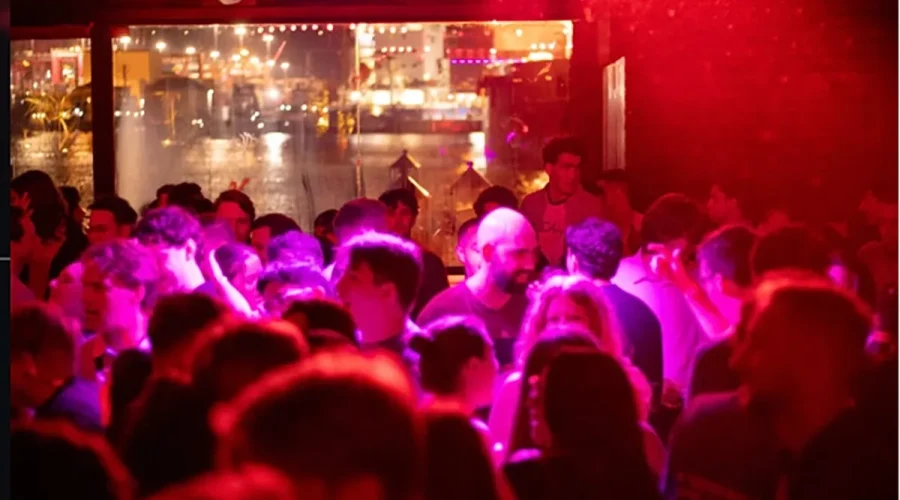
Viral Video Sparks Outrage Over Alleged Racial Snubbing at Lisbon’s K Urban Beach
Usagevpn.com – A short clip posted by a New York-based photographer and videographer under the handle nyc.buddha ignited a wave of online reaction after documenting what he described as a racially motivated refusal of entry at K Urban Beach, one of the most prominent nightclubs along the Tagus River in Lisbon. The 30-year-old American said the episode, which unfolded in the small hours of a Friday morning, was “the most racist moment I have ever experienced in my entire life.” The video, shared on Friday, quickly racked up substantial view counts and engagement before being taken down from the platform.
The Confrontation at the Door
In the footage, the young man recounts how he and his brother were turned away from the venue’s entrance. The pair had been told they needed to pay 250 euros for admission — a figure the American found absurd given that other patrons were strolling in without any such charge.
“You’re joking, aren’t you?”
he asked the security guard on duty. The guard’s reply, audible in the recording, was blunt:
“No, this is my decision, it’s my job.”
Rather than accept the explanation, the two brothers stepped away and purchased tickets through the club’s online booking system, paying roughly 32 euros combined for that night’s entry. When they returned to the entrance, a woman standing beside the guard told them the venue was at capacity and that their money would be refunded. Undeterred, the pair pressed the guard directly, asking why their “skin colour and hair” seemed to be the deciding factor.
The Exchange That Went Viral
The guard’s response, captured on camera, became the clip’s most widely shared moment. Pointing at a colleague standing next to him — a Black man — he said, in English and what appeared to be an ironic tone:
“Yeah, I don’t like black people.”
The American pressed further:
“So what is he then?”
“He’s my bro!”
The young man then delivered a line that stopped many viewers mid-scroll:
“And to you, what am I? A nigga?”
The guard confirmed: “You are a nigga.”
In American English, the full form “nigger” carries deep historical weight as a slur rooted in centuries of racial oppression. The shortened variant “nigga” is sometimes used within Black communities as a term of familiarity, yet it remains context-dependent and can still wound when used by outsiders. The guard’s casual deployment of the word in front of a Black colleague made the moment land with particular force for viewers familiar with that linguistic history.
A Pattern Stretching Back Over a Decade
The incident did not arrive in a vacuum. José Falcão, founder and director of the Portuguese anti-discrimination NGO SOS Racismo, told Euronews that his organisation has been fielding complaints about K Urban Beach “at least since 2013.” The club, perched on the Tagus waterfront and long regarded as a flagship destination for nightlife in the capital, has accumulated a troubling record of allegations linking its door staff to racial profiling and physical aggression.
Nelson Évora, 2014
The most publicly visible episode before the current one involved Olympic sprinter Nelson Évora. Writing on his Facebook page in April 2014, the athlete recounted how friends had surprised him with a night out at Urban Beach. The group numbered 16, all holding pre-booked tables.
“On the night of 19 April, my friends surprised me and took me to Urban Beach. There were 16 of us with pre-booked tables and suddenly we were the ones being ‘surprised’ by the managers. Why? Too many black people in the group!”
The “Ruben Case,” 2017
Three years later, a near-identical scenario unfolded for Ruben, a young Black Frenchman visiting the club. The doorman demanded 250 euros from him alone, while the rest of his companions — all white — were waved through without any surcharge. When Ruben challenged the guard, a physical altercation broke out between the security team and members of the group. The episode became widely known in Portugal as the “Ruben case” and drew sustained media attention.
Reviews, Police Inaction, and a Brief Closure
Online review platforms continue to echo the same narrative. Comments on Tripadvisor and similar sites describe Black patrons being singled out for inflated door charges or subjected to hostile treatment. Several entries reference violent scuffles outside the venue. One comment posted in June 2025 described “a woman hit on the head” and, like numerous others, accused local police of failing to intervene.
The cumulative weight of complaints eventually moved the public prosecutor’s office to seek a temporary shutdown of the club. K Urban Beach was ordered closed between November 2017 and January 2018. Yet the problems did not end with the reopening; the pattern of allegations persisted, and the latest viral video suggests the underlying tensions at the door remain unresolved.
For visitors to Lisbon’s nightlife scene, the episode underscores a broader question about how entertainment venues in tourist-heavy cities police their entrances, and whether a single viral clip is enough to shift institutional behaviour — or merely resets the cycle of complaint, outrage, and quiet repetition.
Related Reading
Frequently Asked Questions
What is Social media reacts?
Social media reacts is the main topic of this guide. The article explains the context, practical details, and next steps readers should understand.
Why does Social media reacts matter?
Social media reacts matters because readers are looking for a useful answer, not just a short summary. Good content should match search intent and help them decide what to do next.