All Members of Venezuelan Nu-Metal Band Van Der Dijs Confirmed Dead in Devastating Earthquakes
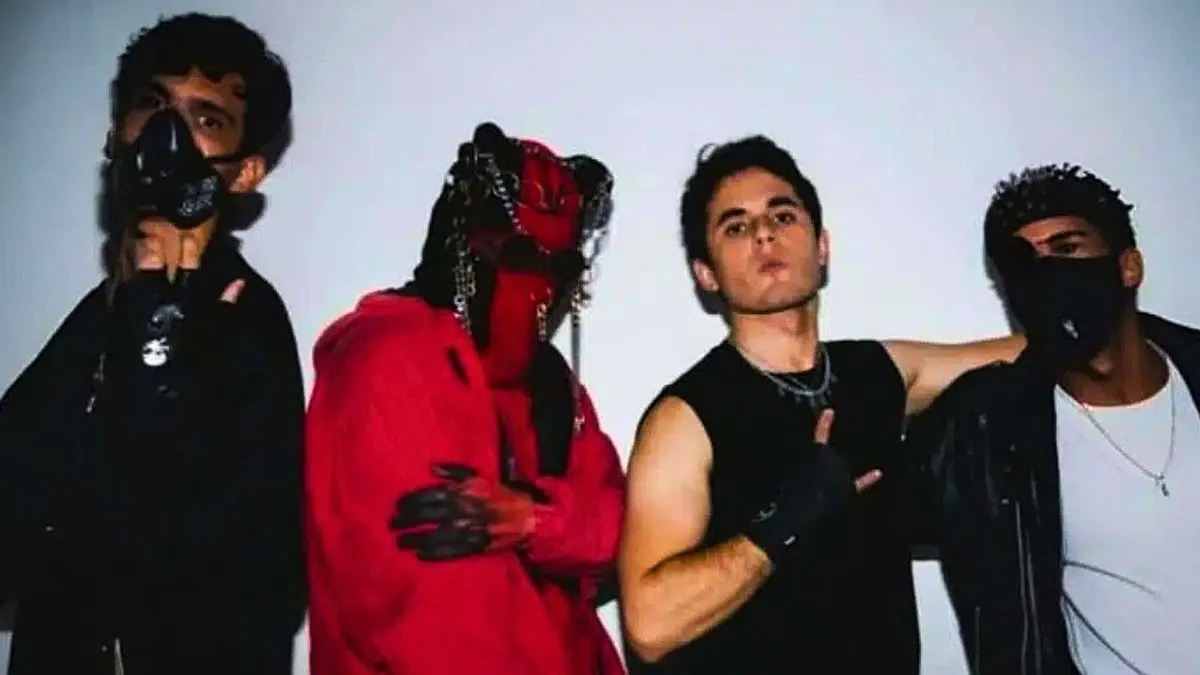
All members of Venezuelan nu metal – The recent earthquakes that shook Venezuela on 24 June have claimed the lives of all four members of the nu-metal band Van Der Dijs. The tragedy unfolded when the Costamar II building, where the group was rehearsing in the coastal state of La Guaira, collapsed, trapping the musicians inside. According to reports from Venezuelan news outlet Últimas Noticias, the band’s vocalist Manuel van Der Dijs, guitarist Gabriel Gómez, bassist Xander Hernández, and drummer Abraham Foucault were among the victims. Rescue teams later recovered their bodies from the rubble, marking a somber chapter for the country’s rock music community.
The Band’s Journey and Rising Fame
Van Der Dijs, a relatively new act in Venezuela’s underground music scene, was formed in 2024 and quickly gained traction with their debut single, ‘Nemesis,’ which was released the same year. The band’s sound, blending heavy guitar riffs with aggressive rhythms, resonated with fans eager for fresh energy in the nu-metal genre. Their music often reflected themes of resilience and social turmoil, which mirrored the challenges faced by Venezuelans in recent years. By 2025, they had expanded their discography, releasing additional singles that showcased their evolving style and dedication to their craft.
Just one month before the disaster, the band dropped their latest single, ’15 Minutos,’ which became an instant hit. The track’s title, a reference to the fleeting nature of life, seemed eerily prescient given the events that followed. The group had also been actively promoting their upcoming tour, including a sold-out performance at the Centro de Arte Moderno in La Castellana, Caracas, on 19 June. Fans had gathered in large numbers to see the band live, unaware that their next show would be their final one. The official Instagram page of Van Der Dijs was still active, with posts highlighting dates in various cities across the country, underscoring their growing popularity.
The Earthquakes: A Double-Shock Disaster
The earthquakes that struck Venezuela on 24 June were among the most severe in the nation’s history. Two powerful tremors, measuring 7.2 and 7.5 on the Richter scale, devastated multiple regions, particularly in the coastal state of La Guaira. This area, already vulnerable due to its geographical features, faced catastrophic damage as the Costamar II building, a structure known for housing local artists and musicians, collapsed under the weight of the shaking ground. The band’s rehearsal space became a symbol of the disaster’s indiscriminate reach, claiming lives in a single, tragic moment.
Authorities have confirmed that the earthquakes caused widespread destruction, from collapsing infrastructure to disrupted transportation networks. La Guaira, which lies near the capital, Caracas, experienced some of the highest casualties and most severe structural damage. The disaster has left communities in chaos, with many families still searching for missing loved ones. The collapse of the Costamar II building not only destroyed the band’s equipment but also erased their presence from the city’s cultural landscape, leaving fans in disbelief.
Humanitarian Crisis and Ongoing Efforts
As the dust settles, Venezuela is grappling with a major humanitarian crisis. Over 2,290 people have been confirmed dead, with thousands more injured and many still unaccounted for. Hospitals across the country are overwhelmed, struggling to accommodate the influx of patients. Rescue teams continue their relentless efforts to locate survivors in the ruins of collapsed buildings, including the Costamar II site. The tragedy has sparked a wave of solidarity, with volunteers and organizations working tirelessly to aid affected communities.
The impact of the earthquakes extends beyond the immediate loss of life. Entire neighborhoods have been reduced to rubble, displacing hundreds of residents and disrupting daily routines. The collapse of the Costamar II building, which housed not only the band but also local businesses and cultural spaces, has become a focal point of the disaster. The building’s destruction has prompted discussions about urban safety and the need for stricter building codes, especially in regions prone to seismic activity.
Van Der Dijs’s demise has sent shockwaves through Venezuela’s music industry. The band, though still emerging, represented a new wave of nu-metal in the country, blending regional influences with global trends. Their loss is a blow to the genre’s growth and a reminder of the fragility of artistic expression in times of crisis. Fans and fellow musicians have taken to social media to mourn the tragedy, sharing memories of the band’s performances and their impact on the local scene. The band’s recent single, ’15 Minutos,’ has been reinterpreted as a poignant tribute to their short but impactful career.
A Legacy in the Midst of Chaos
While the focus remains on rescue operations and recovery efforts, the legacy of Van Der Dijs continues to echo. Their music, which often captured the spirit of a nation in flux, has become a symbol of hope and resistance for many Venezuelans. The band’s story is now intertwined with the broader narrative of the country’s struggles, serving as a reminder of the human cost of natural disasters. The four members, who had dedicated their lives to creating art in a challenging environment, will be remembered not only for their talent but also for their contribution to Venezuela’s cultural identity.
In the days following the disaster, the band’s final performance and the collapse of their rehearsal space have been widely discussed in both local and international media. The tragedy has highlighted the interconnectedness of Venezuela’s artistic and social landscapes, as music and culture often act as lifelines in times of crisis. As the nation begins to rebuild, the memory of Van Der Dijs will serve as a lasting testament to the power of music to inspire and unite, even in the face of devastation.
The earthquakes have not only tested Venezuela’s infrastructure but also its resilience as a people. The loss of Van Der Dijs underscores the vulnerability of those who create and perform, especially in a country where resources are often stretched thin. Their story is now a part of Venezuela’s collective history, a reminder of how quickly life can change and how deeply art can resonate in the hearts of those who cherish it. As rescue teams work tirelessly to uncover more stories of survival and loss, the band’s legacy will endure, echoing through the music they left behind and the memories they shared with their fans.