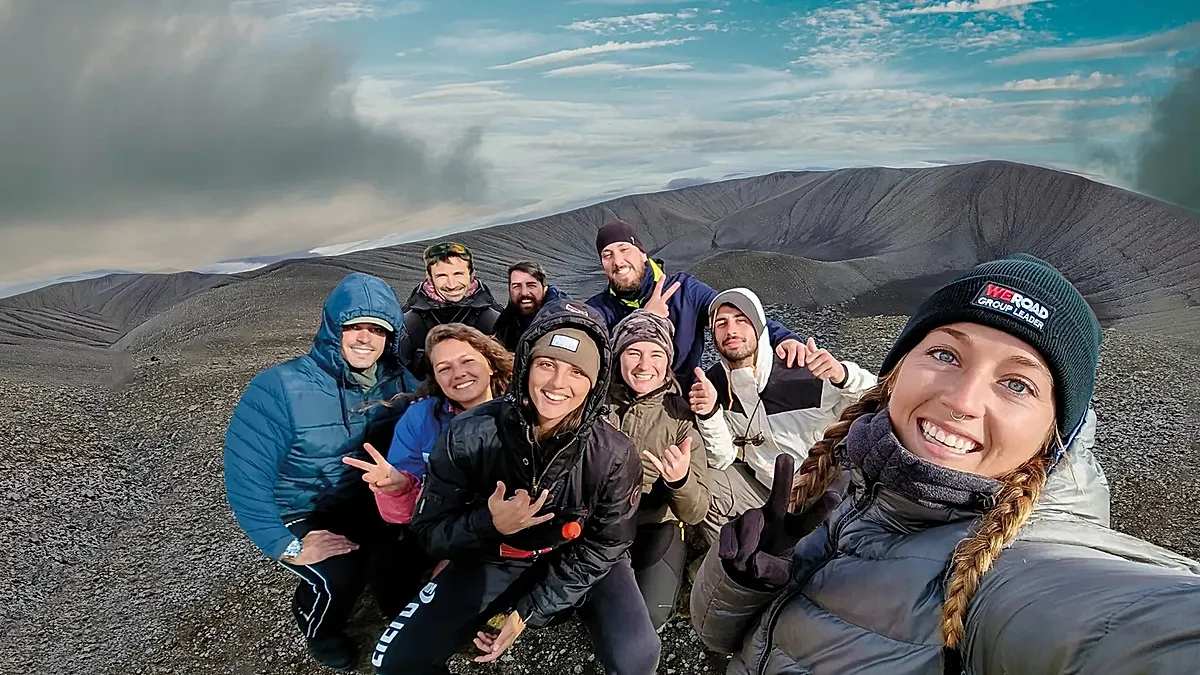
Can Travel Solve the Loneliness Epidemic? Fabio Bin, WeRoad Co-Founder, Believes So
The Loneliness Crisis
Can travel solve the loneliness epidemic – Loneliness has surged as a major issue in modern society, driven by fast-paced lifestyles, remote work, and fragmented social networks. With digital interactions replacing face-to-face conversations, the World Health Organization (WHO) labeled loneliness a global public health concern in 2023, noting that about 16% of people worldwide experience it. This growing challenge has prompted innovative thinkers like Fabio Bin to explore solutions. Bin, co-founder of WeRoad, argues that travel can play a pivotal role in combating loneliness. “Travel doesn’t just offer escape—it creates opportunities for connection that are often missing in daily life,” he says.
How WeRoad Bridges the Gap
WeRoad was born from Bin’s personal struggle to find travel companions during his late 30s. He and his partner faced mismatched schedules and divergent interests, making it hard to align with friends. For example, one might seek mountain hikes, while another prefers coastal retreats. This disconnect, combined with the fading role of university as a social anchor, inspired the platform. “After graduation, forming genuine friendships becomes harder,” Bin explains. “At work, people often avoid socializing, and even vacation preferences can differ.”
“The real need isn’t just companionship—it’s deep, meaningful connection,” Bin adds. “When you spend ten days with strangers, something transformative happens. Initially, it feels awkward, but by the second or third day, it’s like you’ve known them forever.”
WeRoad’s model centers on building community through shared travel experiences. The platform organizes small groups of 15 to 50 strangers, curated by age range to foster common ground. By grouping people with similar life stages, such as 25-35 or 35-49, the platform creates an environment where friendships can develop organically. “You pick a destination—whether it’s Indonesia, Peru, or Iceland—and meet others from your own country,” Bin notes. “The shared experience of traveling together becomes the foundation for lasting bonds.”
Language and Cultural Synergy
Cultural familiarity is a key component of WeRoad’s strategy. French travelers join French-speaking groups, while Spanish-speaking participants connect with others from Latin America or Spain. This approach enhances comfort and deepens authenticity in interactions. “Speaking the same language makes it easier to open up and build trust,” Bin says. “It’s about creating a shared rhythm that helps people feel at home in new environments.”
The English-speaking market also plays a significant role in WeRoad’s expansion. Though the platform originated in the UK, it now operates across Europe and is entering the U.S. market. This global reach allows users to engage with diverse cultures while maintaining a sense of connection. “Language isn’t just a tool—it’s a bridge to understanding,” Bin explains. “It helps people form bonds during travel, even in unfamiliar places.”
Unexpected Connections in Travel
Bin highlights that serendipity is central to WeRoad’s success. While the platform groups travelers by age and interests, the unpredictable nature of encounters drives deeper relationships. “People often ask why we don’t use algorithms for matching,” he says. “But the most powerful part of our model is the randomness of chance interactions. Even within age brackets, the destination itself becomes the catalyst for meaningful relationships.”
This element of spontaneity is crucial in breaking social isolation. In a world where screens dominate conversations, being physically present with fellow travelers fosters real-time engagement. “There’s no time for distractions, so people naturally open up,” Bin explains. This dynamic has led to long-term friendships, with many returning for repeat trips or seeking new companions. WeRoad’s mission continues to evolve, emphasizing how travel can solve loneliness by creating spaces for genuine human connection.