Evening Access to Italy’s Icons: Extended Hours Pilot Launches This Summer
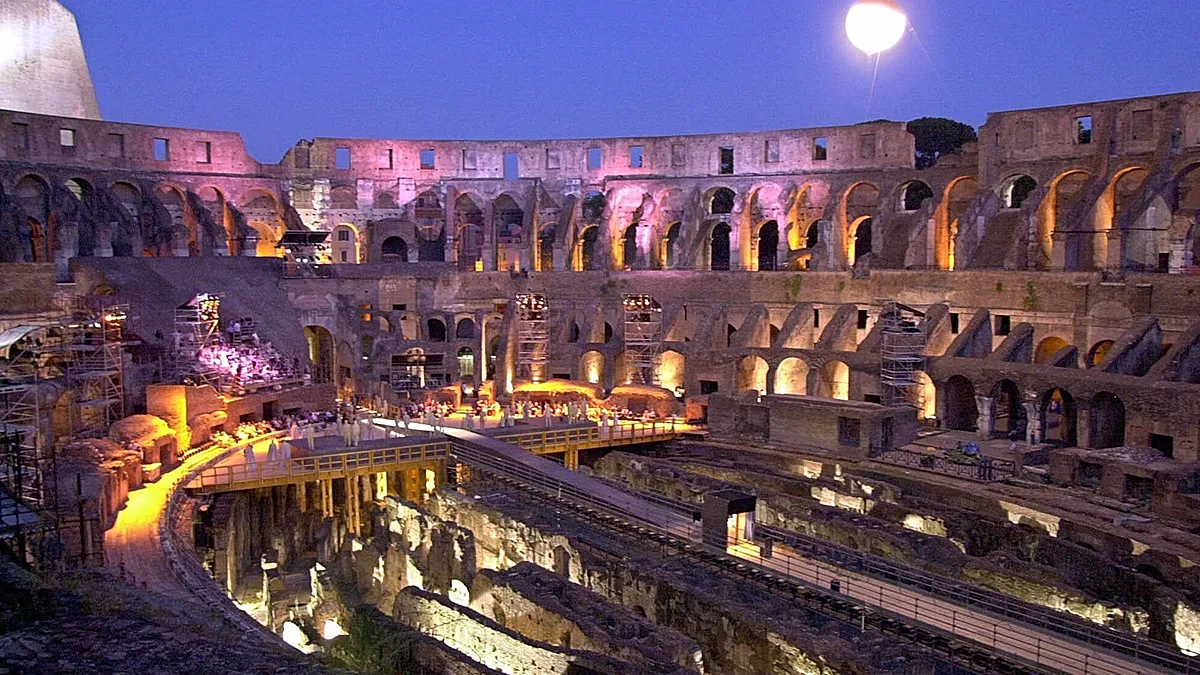
Usagevpn.com – Rome and Milan are testing a new approach to managing summer tourism by keeping their most celebrated monuments open later into the evening. The month-long initiative, which began in August, allows visitors to experience world-famous sites when temperatures drop and crowds thin out. This trial represents a strategic effort to improve the visitor experience while gathering data on whether extended hours could become a permanent feature at Italy’s heritage locations.
Three Landmarks Join the Trial
The pilot program encompasses three significant cultural landmarks across two major Italian cities. In Rome, the Colosseum and the Pantheon will offer additional evening access. Meanwhile, Milan’s Castello Sforzesco will extend its daily closing time by two hours beyond its standard schedule. The Colosseum opens its gates to evening visitors on Friday and Saturday evenings, welcoming guests from 19:45 until 23:30. The Pantheon follows a slightly different schedule, remaining accessible from 19:00 to 23:00 every day except Thursday. In Milan, Castello Sforzesco extends its daily operations until 19:30, providing visitors with more time to explore the medieval fortress and its collections.
Addressing Summer Tourism Challenges
Italy’s peak tourist season brings intense heat and overwhelming crowds to its most popular destinations. The extended hours initiative addresses both issues simultaneously. Evening visits allow travelers to explore monuments during cooler temperatures while avoiding the midday rush that characterizes summer tourism in Rome and Milan. The pilot program was launched collaboratively by the Ministry of Culture, the Ministry of Tourism, and the City of Milan. Officials view this as more than a simple scheduling adjustment. The trial aims to distribute visitor traffic more evenly throughout the day, reducing bottlenecks at entrance points and improving overall satisfaction.
A Broader Vision for Cultural Tourism
Culture Minister Alessandro Giuli emphasized that the initiative extends beyond mere scheduling changes. He described the evening openings as an opportunity to experience Italy’s most recognizable monuments in a different light, quite literally. The extended hours make these sites more accessible to visitors who might otherwise struggle with daytime crowds or heat. The timing of this pilot reflects a significant shift in how Italians and international travelers view cultural destinations. Tourism Minister Gianmarco Mazzi highlighted that cultural experiences have overtaken traditional motivations for visiting Italy.
According to ISNART (the National Institute for Tourism Research), culture has become the leading reason for travelling to Italy since 2026, rising from seventh to first place in just ten years. That is why we are giving the highest priority to cultural tourism and exploring the growth potential of a sector that already contributes €58 billion in visitor spending to the national economy.
This transformation in travel motivations underscores the importance of initiatives like the extended hours pilot. As cultural tourism becomes Italy’s primary draw, finding ways to accommodate growing demand while preserving the quality of the visitor experience becomes essential.
Milan’s Museum Renaissance
The extended hours at Castello Sforzesco build upon a broader trend of increasing museum attendance in Milan. The fortress welcomed approximately half a million visitors over the past year, demonstrating strong public interest in cultural institutions. Across Milan’s civic museums, annual visits have grown from 1.3 million in 2019 to 1.7 million, reflecting a sustained upward trajectory. Throughout August, visitors can take advantage of reduced-price tickets for several attractions. These include the Museum of Ancient Art, Michelangelo’s Rondanini Pietà, and the Passione e Disegno exhibition. The latter brings together works spanning from Leonardo da Vinci to Keith Haring, offering a comprehensive view of artistic evolution across centuries.
Looking Toward the Future
If the August trial demonstrates success, the model could expand to other major heritage sites across Italy. This would represent a significant shift in how the country manages access to its cultural treasures. Balancing visitor demand with preservation needs has long been a challenge for Italian heritage sites, and extended evening hours offer one potential solution. The pilot also provides valuable data for future planning. Officials will assess whether later opening hours can serve as a longer-term tool for managing tourism at Italy’s busiest locations. The results could influence scheduling decisions at monuments throughout the country, potentially transforming how visitors experience Italy’s rich cultural landscape. For travelers planning summer visits, the extended hours provide additional flexibility. Evening access allows for more relaxed exploration, photography opportunities in softer light, and the chance to experience these iconic sites when they are less crowded. Whether this becomes a permanent feature remains to be seen, but the August trial offers a promising glimpse into the future of cultural tourism in Italy.
Related Reading
Frequently Asked Questions
What is Dreaming of seeing the Colosseum after?
Dreaming of seeing the Colosseum after is the main topic of this guide. The article explains the context, practical details, and next steps readers should understand.
Why does Dreaming of seeing the Colosseum after matter?
Dreaming of seeing the Colosseum after matters because readers are looking for a useful answer, not just a short summary. Good content should match search intent and help them decide what to do next.