Gulf Investors Join BP in Venezuela’s Energy Renaissance
Usagevpn.com – Venezuela’s energy sector is experiencing a transformative moment as international capital flows back into the country following political changes. The latest development involves BP teaming up with two major Gulf energy players to secure rights to one of the nation’s most promising offshore gas fields. This partnership signals accelerating momentum in Venezuela’s post-Maduro economic opening.
A Tripartite Agreement for Loran Phase Two
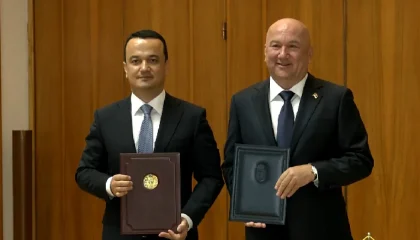
The deal finalized in Caracas on Thursday establishes BP as the operating partner for Loran phase two, an offshore natural gas project containing over four trillion cubic feet of confirmed gas reserves. Abu Dhabi’s XRG and Qatar’s UCC Oil and Gas Holding have each secured equal ownership positions alongside BP. This arrangement represents the most definitive indication yet that Venezuela’s energy sector is rapidly welcoming foreign investment following the removal of Nicolás Maduro from power.
All three participating companies will maintain equal working interests in the project, with BP serving as the designated operator. The license remains contingent upon receiving final regulatory approvals from Venezuelan authorities. PDVSA Gas, the state oil company’s natural gas subsidiary, transferred a portion of its stake to XRG, which functions as the international investment arm of Abu Dhabi’s ADNOC energy conglomerate.
For both XRG and UCC, this agreement marks their inaugural entry into the Venezuelan market. The Loran field constitutes the Venezuelan segment of the broader Loran-Manatee accumulation, a geological formation that crosses the maritime boundary separating Venezuela from Trinidad and Tobago. This combined reservoir contains approximately ten trillion cubic feet of recoverable natural gas.
Parallel Development and Regional Expansion
Shell secured the license for Loran’s first phase in June and is concurrently developing the Manatee portion on the Trinidadian side of the accumulation. First gas production from the Trinidadian operations is anticipated next year. BP has announced that both Venezuelan phases will now proceed with parallel development strategies. The company also signed an additional memorandum of understanding addressing exploration activities at the Carúpano East Block.
The agreements were finalized during a visit to Caracas by BP CEO Meg O’Neill and David Campbell, the company’s senior vice president responsible for Latin America and the Caribbean region.
Political Shifts Drive Energy Opening
These licenses emerged from a diplomatic arrangement between Caracas and Washington. Following Maduro’s capture by US forces in January, interim president Delcy Rodríguez undertook a comprehensive rewrite of the country’s energy legislation at the Trump administration’s recommendation. This legal overhaul opened the world’s largest proven oil reserves to international companies seeking investment opportunities.
In exchange for these domestic reforms, the United States eased sanctions that had previously frozen most Western investment in Venezuela. This included licenses that Washington had revoked from BP, Shell, and Chevron in 2025. Eni, Repsol, and Shell have all executed agreements since the sanctions relaxation began.
The licensing process experienced a significant interruption following devastating earthquakes on June 24 that claimed more than 6,300 lives. Award ceremonies and permit issuances resumed only on Thursday, coinciding with the distribution of three Loran permits and the signing of corresponding agreements.
Strategic Importance of Natural Gas
“I have a special interest in gas to promote national development,” Rodríguez stated during the ceremony, which received coverage on state television. Her emphasis on natural gas reflects a broader strategy to diversify Venezuela’s energy portfolio beyond crude oil production.
BP brings considerable experience to this venture, having previously held a license for the Cocuina field starting in 2024. That permission was subsequently withdrawn by Washington before being restored through the new sanctions framework. The company’s return to Venezuela demonstrates confidence in the country’s long-term energy potential and the stability of the current political arrangement.
Implications for Global Energy Markets
The participation of Gulf investors alongside BP carries particular significance for regional energy dynamics. XRG and UCC represent substantial financial resources and technical expertise from the Middle East. Their entry into Venezuela complements existing Western investment and suggests a multi-polar approach to developing the country’s resources.
The Loran-Manatee accumulation’s location near Trinidad and Tobago positions it strategically for regional gas distribution. With Shell already developing the Trinidadian portion and BP advancing both Venezuelan phases, the area could become a significant natural gas hub for Caribbean and South American markets.
The timing of these developments coincides with broader global energy transitions. Natural gas is increasingly viewed as a bridge fuel in the move toward cleaner energy sources. Venezuela’s substantial gas reserves, previously underutilized due to political and economic challenges, now offer opportunities for international companies seeking long-term supply security.
The earthquake recovery efforts have also created additional momentum for infrastructure investment. The resumption of licensing activities suggests that both domestic and international stakeholders view the current window as favorable for committing capital to Venezuela’s energy sector. As regulatory approvals continue, more projects may follow the Loran precedent, potentially transforming Venezuela from an isolated energy producer into an integrated participant in global markets.
Related Reading
Frequently Asked Questions
What is BP returns to Venezuela with Gulf?
BP returns to Venezuela with Gulf is the main topic of this guide. The article explains the context, practical details, and next steps readers should understand.
Why does BP returns to Venezuela with Gulf matter?
BP returns to Venezuela with Gulf matters because readers are looking for a useful answer, not just a short summary. Good content should match search intent and help them decide what to do next.