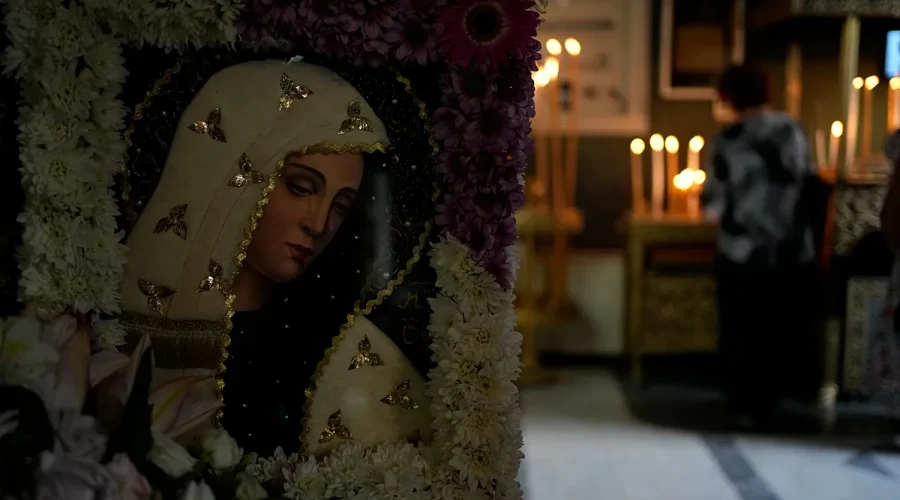
Assumption Day: Greece Celebrates Summer ‘Easter’ with Ancient Traditions
Usagevpn.com – Assumption Day arrives this weekend as Greece prepares to honor one of its most cherished religious celebrations. The Feast of the Dormition of the Virgin Mary, observed on August 15, transforms the nation from coastal islands to mountain villages into a landscape of faith and festivity. This sacred occasion draws millions of Greeks into a shared experience where centuries-old traditions blend with vibrant community gatherings. Assumption Day stands as a cornerstone of Greek Orthodox identity, uniting believers in both spiritual devotion and cultural celebration.
Pilgrimage and Devotion on Assumption Day
For Greeks living abroad or in bustling cities, Assumption Day marks a time of return to ancestral homes. The weekend journey represents more than attending church services—it embodies a deep cultural tradition of reconnecting with family roots and spiritual heritage. Tinos island becomes the focal point of this pilgrimage, welcoming thousands of devotees who travel to honor the Virgin Mary at the Church of Panagia Evangelistria. Many pilgrims fulfill personal vows made during times of hardship, demonstrating the profound significance of Assumption Day in Greek religious life.
The moving image of worshippers crawling on their knees toward the church has become an iconic symbol of Greek devotion during this feast. Some undertake this physical journey as gratitude for answered prayers, while others seek divine blessings for challenges ahead. This practice reveals how Assumption Day fosters a deeply personal relationship between individual believers and the sacred, weaving personal stories into a collective spiritual tapestry.
Island Traditions and Local Customs
Every region adds its unique character to the Assumption Day celebration. In Kefalonia’s villages of Markopoulo and Arginia, visitors witness something extraordinary: small snakes that appear within churches during the feast. Locals regard these creatures as blessed messengers, affectionately calling them the “little snakes of the Virgin Mary.” Their presence during Assumption Day signals good fortune and divine protection for the year ahead, a custom passed through generations that demonstrates how Greek traditions harmonize nature with spirituality.
Astypalaia island transforms the religious occasion into a lively community carnival. The “Koukania” celebrations in Pera Gialos feature games and competitions that delight both locals and visitors. Among the most entertaining contests involves participants attempting to feed each other yoghurt while blindfolded—a joyful moment that reminds everyone that faith and fun coexist beautifully on Assumption Day.
Horsemen, Feasts, and Community Spirit
In Siatista, the celebration moves to the roads with spectacular horseback processions. Riders adorned in traditional attire guide their decorated horses toward the Mikrokastro monastery, creating a moving display of color and devotion. When the procession returns to town, the atmosphere shifts from solemn reverence to exuberant celebration. Brass bands fill the air with music while dancers fill the streets, marking the transition from religious ceremony to communal party on this special day.
Palaiopyrgos in the Ioannina region showcases another dimension of Greek hospitality through the “Ntolia” tradition. At the heart of this gathering sits the “archontas,” or master of the feast, who holds symbolic authority over the communal table. The ritual exchange of glasses between diners serves as both celebration starter and reconciliation gesture, helping participants set aside past disagreements and embrace unity during Assumption Day festivities.
Why Assumption Day Matters Today
What makes Assumption Day particularly special in Greece is how seamlessly it bridges generations and social boundaries. After morning church services, public squares transform into open-air dining halls where tables stretch across cobblestone streets. Young people encounter customs their grandparents practiced, while elders find renewed purpose as keepers of living heritage. The celebration reflects broader patterns in Greek society, where religious identity and social cohesion remain intertwined.
Summer gatherings provide opportunities for diaspora Greeks to reconnect with their roots, for urban residents to experience rural traditions, and for communities to reaffirm their collective identity through shared ritual and feasting. As evening falls and fires are lit across villages, the celebration continues well into the night. Music echoes through mountain valleys while families share meals and stories under starlit skies.
The Feast of the Dormition represents not merely a religious observance but a cultural moment where faith, family, and community converge in celebration of both spiritual devotion and human connection.
This enduring tradition, maintained through centuries of change, continues to demonstrate how ancient practices can remain vibrant and relevant in modern life. Assumption Day stands as a testament to the resilience of Greek culture and the power of shared belief.
Frequently Asked Questions About Assumption Day
When is Assumption Day celebrated in Greece? Assumption Day is observed on August 15 each year, marking the Feast of the Dormition of the Virgin Mary in the Greek Orthodox calendar.
What makes Assumption Day special for Greeks? Assumption Day combines religious observance with cultural celebration, featuring pilgrimages, traditional foods, horseback processions, and community gatherings that unite families and communities.
Where is the main pilgrimage site for Assumption Day? Tinos island is the primary pilgrimage destination, where thousands travel to honor the Virgin Mary at the Church of Panagia Evangelistria during Assumption Day celebrations.
What unusual tradition occurs in Kefalonia during Assumption Day? Small snakes appear within churches in Kefalonia’s villages during the feast, and locals view them as blessed messengers bringing good fortune and divine protection.
How do Greeks celebrate Assumption Day beyond church services? Greeks celebrate with communal feasts, traditional games, horseback processions, and open-air dining in public squares, creating a blend of spiritual devotion and social festivity.