Soaring Stingray Numbers Off California Drive Record Beach Injuries
Usagevpn.com – Soaring stingray numbers off California beaches have created an unprecedented situation for swimmers and beachgoers this year. Official records are being shattered as marine scientists document a dramatic increase in encounters along the Southern California coastline. The phenomenon is particularly concentrated around Seal Beach, a coastal community approximately 45 kilometers southeast of downtown Los Angeles, where researchers have been tracking the extraordinary gathering of these marine creatures.
Tracking the Stingray Population Boom
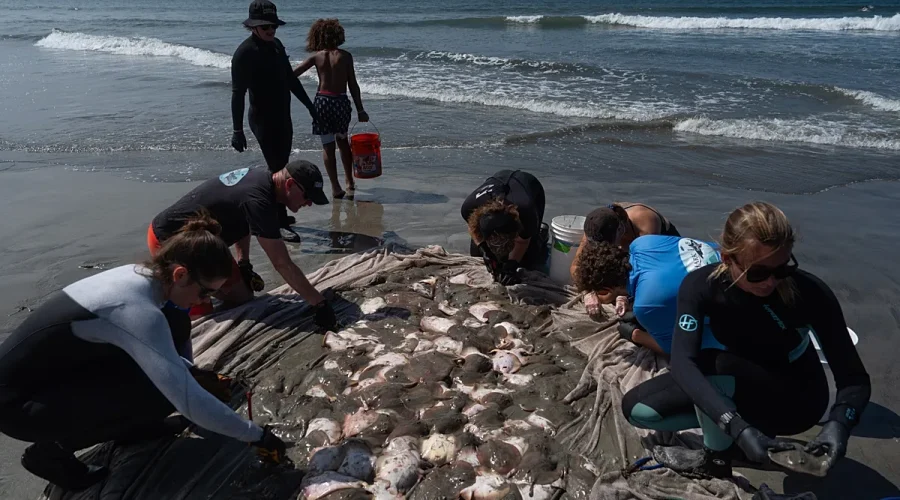
Researcher Chris Lowe has been leading comprehensive field studies in the area, working with his team to capture, measure, and tag numerous stingrays before releasing them back into their natural habitat. Their observations reveal remarkable density: Lowe estimates that more than 16,000 individual stingrays can congregate within an area roughly equivalent to a football field during a single day.
This concentration is not a recent development. The species has maintained a presence at this particular site for at least six decades, with environmental conditions playing a crucial role. Warm water discharged from a nearby power plant creates an ideal thermal environment, while the fine sediments on the ocean floor provide suitable habitat for these bottom-dwelling creatures to bury themselves and feed.
Record-Breaking Injury Statistics
The surge in stingray populations is directly impacting beachgoers across the region. Two state beaches located near Huntington Beach have documented over 3,100 sting incidents through 2026 alone. This figure represents approximately double the total number of injuries recorded across the entire previous year.
Chris Lowe notes that Southern California experiences the highest number of stingray injuries, largely because round stingrays bury themselves in the sand and may strike when people step on them.
The injuries typically occur when swimmers and waders inadvertently step on these camouflaged creatures. Unlike some other marine animals that flee when approached, stingrays often remain hidden beneath the sand, making them particularly prone to causing injuries when stepped upon by unsuspecting beach visitors.
Climate Patterns Amplify the Trend
Looking ahead, scientists anticipate even greater numbers of encounters. Lowe expects incidents to increase as El Niño patterns warm coastal waters and bring additional subtropical rays northward from Baja California. This climate-driven migration is expected to intensify the already significant presence of stingrays along the California coast.
The National Oceanic and Atmospheric Administration has documented that a marine heatwave has already persisted off portions of the United States West Coast for an unusually extended period. This prolonged warming trend creates favorable conditions for both resident stingray populations and those migrating from warmer southern waters.
What Visitors Need to Know
The stingray surge carries implications beyond individual injuries. Tourism operators, beach management authorities, and local healthcare facilities are all adjusting to the new reality. Beach safety programs are expanding their educational outreach, teaching visitors how to shuffle their feet when wading in shallow waters—a technique that alerts stingrays to approaching humans and allows them to move away.
The economic impact extends to local businesses as well. While the increased visibility of marine life attracts nature enthusiasts and photographers, it also means more swimmers may experience injuries requiring medical attention. Emergency rooms in coastal counties report handling a higher volume of stingray-related cases during peak summer months.
Frequently Asked Questions
Why are stingray numbers increasing off California? Scientists attribute the rise to multiple factors including warm water discharge from power plants, favorable sediment conditions, and climate-driven migration patterns bringing additional rays from Baja California.
How can I protect myself from stingray injuries? The recommended technique is to shuffle your feet when wading in shallow waters. This creates vibrations that alert stingrays to your presence, allowing them to move away before you step on them.
Are stingray injuries dangerous? While painful, most stingray injuries are not life-threatening. They typically require cleaning and medical attention, with emergency rooms in coastal counties reporting increased case volumes during summer months.
When are stingray encounters most common? Peak encounter periods coincide with warmer months when El Niño patterns warm coastal waters and attract additional subtropical species to the region.
Environmental scientists view the phenomenon as a complex indicator of changing ocean conditions. The combination of power plant discharge, sediment composition, warming waters, and climate patterns creates ideal circumstances for stingray population growth. As these environmental factors continue to evolve, coastal communities must adapt to what may become a permanent feature of Southern California beach life.