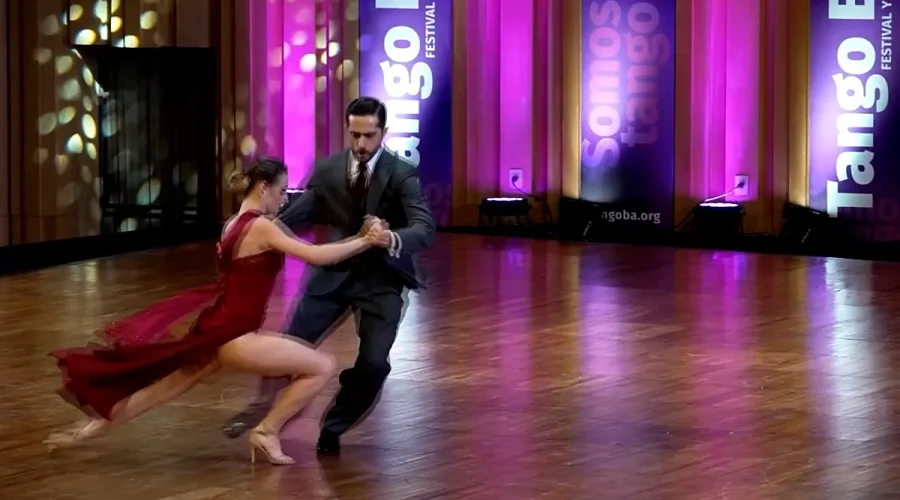
Buen Aires Becomes the Global Capital of Tango as 800 Couples Converge for the World Championship
Usagevpn.com – The streets of Buenos Aires have long pulsed to the rhythm of the bandoneón, but this September the Argentine capital is absorbing a tidal wave of dancers unlike anything the city has hosted before. Eight hundred couples representing 47 nations have descended on the metropolis to compete in what is widely regarded as the most prestigious tango tournament on the planet. The event, now in its 24th edition, transforms the city into a sprawling stage where competition, spectacle, and cultural heritage collide in an unprecedented concentration of movement and music.
A Festival That Outgrows a Single Venue
The 24th Tango BA Festival is not a single show or a single contest. It is a city-wide phenomenon scheduled to run through 2 September, distributing its programming across roughly 50 venues scattered throughout Buenos Aires. More than 2,000 artists participate in the broader festival framework, which encompasses approximately 150 concerts, exhibitions, dance workshops, and milongas — the informal social gatherings where tango is danced in circles, partner after partner, in the tradition that gave the dance its communal roots.
The sheer geographic spread of the event means that a visitor can attend a classical tango orchestra concert in the morning, take a beginner’s class in a neighborhood studio by afternoon, and end the evening at a milonga where the music shifts from the restrained phrasing of a milonga to the driving pulse of a vals. The festival deliberately mirrors the way tango has always lived in Buenos Aires: not locked behind a prosccenium arch, but woven through cafés, plazas, and late-night dance halls.
The Competitive Structure: Two Disciplines, One Dance
At the heart of the festival sits the World Championship, and its format reflects a fundamental distinction within tango culture. Sixty couples have advanced to the decisive stages of competition, split into two categories that test different facets of the art form.
Forty couples compete in Tango de Pista, the “floor” style. This is the social tango as it exists in the milonga: close embrace, continuous movement, improvisation within a shared musical phrase, and an emphasis on connection between partners rather than choreographed spectacle. Judges in this category look for musicality, embrace quality, and the ability to lead and follow with fluidity across an open floor.
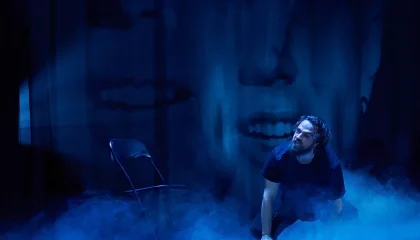
Twenty couples compete in Tango Escenario, the “stage” style. Here the dance is performed for an audience with choreographic intention, theatrical dynamics, and a narrative arc. The embrace may open and close; the dancers may separate, spin, and project. It is tango as performance art, closer in spirit to what a viewer might encounter in a concert hall or a televised dance competition.
The distinction matters because tango in Buenos Aires has always existed in both registers simultaneously. The same dancer who leads a partner through a quiet, intimate milonga on a Saturday night may step onto a stage the following week and execute a scored piece with dramatic flair. The festival’s dual-category structure honors that duality rather than forcing the dance into a single competitive mold.
The Finals at Teatro Gran Rex
The championship will reach its climax on 1 and 2 September at the Teatro Gran Rex, a landmark venue in the San Telmo district that has hosted tango performances for decades. The Gran Rex, with its ornate balconies and intimate sightlines, provides a setting where the audience sits close enough to feel the breath of the dancers and the vibration of the bandoneón in the chest. For two nights, the building becomes the single most important room in the global tango world, as the final couples from each category attempt to claim the title.
Why Buenos Aires, Why Now
Tango was born in the working-class neighborhoods along the Río de la Plata in the late nineteenth century, a hybrid of African, European, and criollo musical traditions. For much of the twentieth century it remained a local dance, associated with port districts and neighborhood clubs. Its global explosion came in the 1990s and 2000s, when choreographers and musicians began exporting the form to stages in Paris, London, New York, and Tokyo. Today, tango is taught in studios on every continent, and competitions draw participants from dozens of countries.
Yet Buenos Aires retains a gravitational pull that no other city can replicate. The city produces the music, the dance vocabulary, and the social infrastructure — the milongas, the orchestras, the teachers — that define the form. When 800 couples from 47 countries arrive for a single festival, they are not merely competing; they are returning to the source. The event functions as both a tournament and a pilgrimage, a moment where the global diaspora of tango converges on the place where the dance was invented.
For viewers who have encountered tango only through television dance shows or brief festival appearances, the scale of this gathering offers a different picture. What unfolds over the coming days is not a polished spectacle designed for a camera but a living ecosystem: workshops where beginners stumble through their first ocho, concerts where veteran orchestras play pieces written decades ago, and late-night milongas where the line between performer and participant dissolves entirely. The festival’s true subject is not a trophy. It is the continuation of a dance that has survived prohibition, stigma, and decades of obscurity to become, once again, the heartbeat of a city.
Related Reading
Frequently Asked Questions
What is Buenos Aires welcomes 800 couples for Tango?
Buenos Aires welcomes 800 couples for Tango is the main topic of this guide. The article explains the context, practical details, and next steps readers should understand.
Why does Buenos Aires welcomes 800 couples for Tango matter?
Buenos Aires welcomes 800 couples for Tango matters because readers are looking for a useful answer, not just a short summary. Good content should match search intent and help them decide what to do next.