EU Migration Chief Urges Parliament to Break Deadlock on Anti-Smuggling Legislation
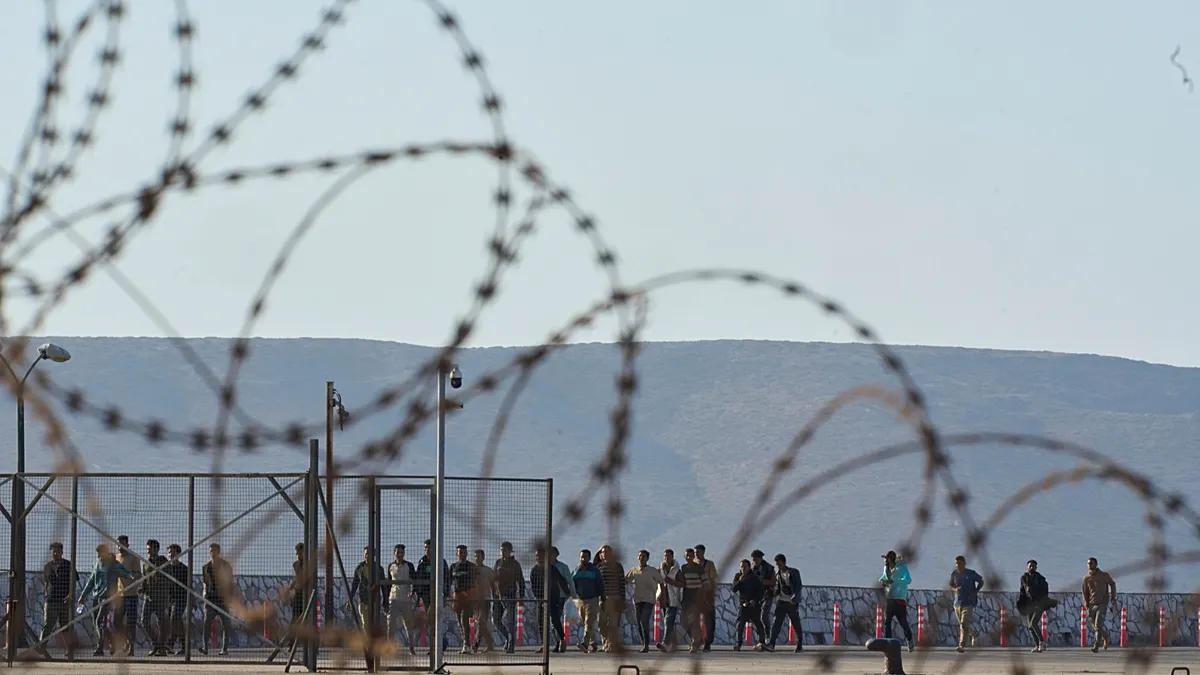
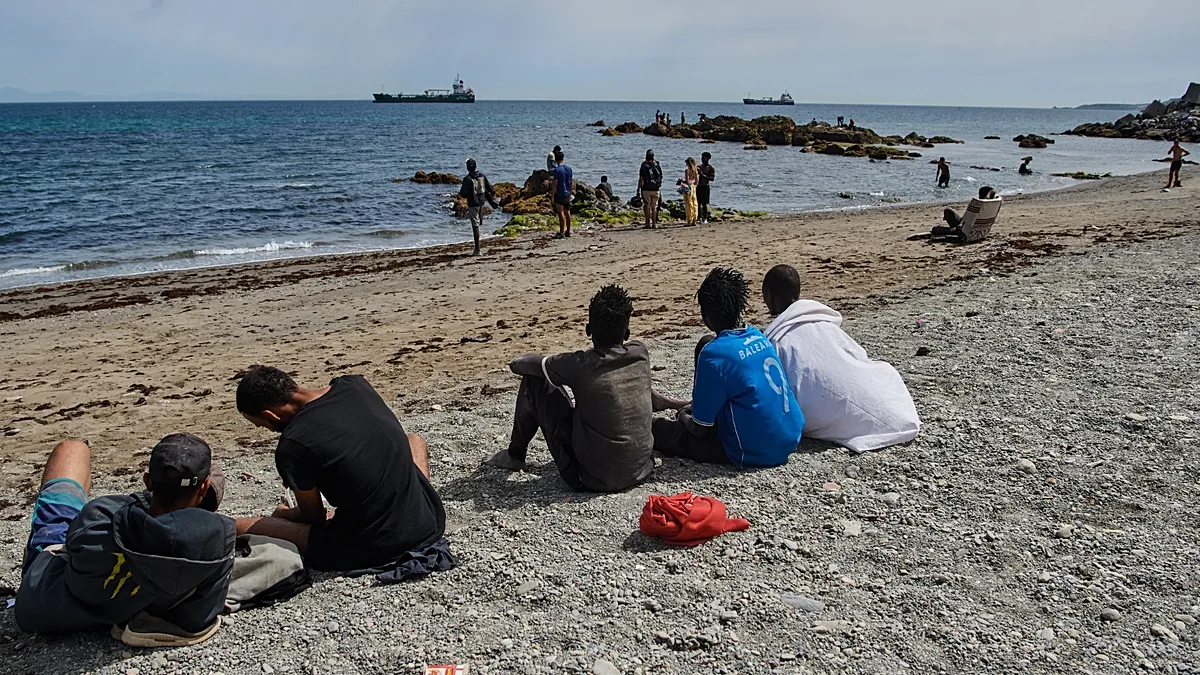
Usagevpn.com – European Union migration authority head Magnus Brunner has issued a direct appeal to Members of the European Parliament, pressing them to finally approve legislation that has remained dormant for nearly three years. The proposed directive addresses the growing challenge of people smuggling across European borders, with Brunner pointing to recent events in the Spanish enclave of Ceuta as urgent proof that action is needed. The incident, which saw more than 70,000 non-EU nationals cross into the territory within a single day, has reignited debates about border security and criminal networks operating across continents.
The Ceuta Crisis and Its Implications
The extraordinary parliamentary committee meeting convened in Brussels on Thursday brought together key figures to examine what has become one of the most significant migration events in recent European history. Alongside Brunner, Juan Jesús Vivas Lara, the Mayor-President of Ceuta, participated in discussions aimed at understanding the root causes of the massive crossing. While investigations continue, Spanish Prime Minister Pedro Sánchez has placed substantial blame on people smugglers, characterizing their operations as deceptive practices that endanger vulnerable populations.
“Smugglers deceive so many young people and ultimately lead many of them to their deaths,” Sánchez stated during his remarks last Friday, emphasizing the human cost of these cross-border operations.
The scale of the Ceuta incident has prompted Brunner to highlight the dual threat posed by smuggling networks: both to individual lives and to the broader security architecture of the European Union. He noted that the events demonstrated clear disregard for human safety by certain actors, while simultaneously exposing weaknesses in border integrity that require immediate legislative response.
Understanding Migrant Smuggling Operations
Migrant smuggling encompasses the illegal facilitation of border crossings conducted primarily for financial gain. This phenomenon typically emerges when individuals cannot access conventional migration pathways, creating lucrative opportunities for both independent operators and organized criminal groups. While the core activity involves international border crossings, it is important to distinguish smuggling from human trafficking, though the two can intersect when smuggled migrants subsequently face exploitation through deception, coercion, or forced labor within destination countries.
Smuggling networks exhibit considerable variation in structure, ranging from loose, informal arrangements to sophisticated hierarchical organizations. This diversity is particularly evident in regions such as North Africa, where operations span multiple jurisdictions and involve complex coordination. The profitability of these enterprises stems largely from the relatively low risk of detection and prosecution that operators face, especially when organizers maintain distance from direct involvement and operate from countries separate from the routes they manage.
Legal Framework and Enforcement Challenges
Current anti-smuggling regulations remain predominantly established at the national level, creating inconsistencies that complicate cross-border enforcement. Smugglers frequently exploit these jurisdictional gaps by operating across both EU and non-EU territories, making prosecution of entire networks inefficient and fragmented. The Italian government has attempted to address this by focusing prosecutions on boat pilots arriving in Italian waters, arguing these individuals represent integral components of larger smuggling operations. However, civil society organizations have consistently challenged this approach, noting that boat crews are often migrants themselves who have been compelled to navigate vessels by smugglers unwilling to undertake the journey personally.
“I call on the Parliament to adopt its position on the anti-smuggling directive proposed by the European Commission almost three years ago,” Brunner declared during his address to the committee.
Enforcement mechanisms vary considerably across member states. In France, for instance, human smugglers face potential imprisonment of up to five years alongside fines reaching €30,000, with harsher penalties applicable when organized crime connections or violence are involved. Eurostat data reveals that 2,599 smugglers received convictions across Europe in 2024, though experts acknowledge this figure likely represents only a fraction of actual offenders given the challenges of detection and charging.
The Stalled Facilitation Directive
The European Commission’s November 2023 proposal represents a comprehensive effort to modernize EU rules governing irregular migration facilitation. This initiative forms part of a broader anti-smuggling package designed to strengthen the operational capacity of EU agencies, particularly Europol, within police coordination efforts. The proposed reforms seek to achieve multiple objectives: prosecuting criminal networks more effectively, harmonizing penalty structures across member states, expanding jurisdictional authority, and enhancing data collection and reporting mechanisms.
Member states have already finalized their positions on the so-called Facilitation Directive, with proposals suggesting maximum prison sentences of three years for primary offenses, escalating to ten years when individuals face serious endangerment or death. These provisions address concerns about inconsistent punishment across the Union while acknowledging the severity of cases involving vulnerable populations.
Regional Connections and Ongoing Investigations
Particularly in non-EU countries, people smugglers and traffickers frequently maintain connections with government authorities, a phenomenon well-documented in North African nations including Libya. This relationship between criminal operators and state institutions complicates enforcement efforts and contributes to the persistence of smuggling routes. Recent interviews conducted by the New York Times with migrants in Ceuta revealed allegations that Moroccan authorities actively encouraged border crossings into the Spanish enclave, though these claims remain under investigation.
The political dimension of EU migration policy continues to evolve as member states balance security concerns with humanitarian obligations. Brunner’s intervention underscores the urgency of resolving legislative stagnation, arguing that the impact of criminal smuggling networks extends beyond individual cases to affect the fundamental security of the Union. As investigations into the Ceuta incident proceed, the outcome will likely influence not only immediate border management strategies but also the broader trajectory of EU migration governance in the coming years.
Related Reading
Frequently Asked Questions
What is Explainer?
Explainer is the main topic of this guide. The article explains the context, practical details, and next steps readers should understand.
Why does Explainer matter?
Explainer matters because readers are looking for a useful answer, not just a short summary. Good content should match search intent and help them decide what to do next.