Brussels Channels €1.4 Billion in Frozen Asset Returns to Support Ukraine’s Defense
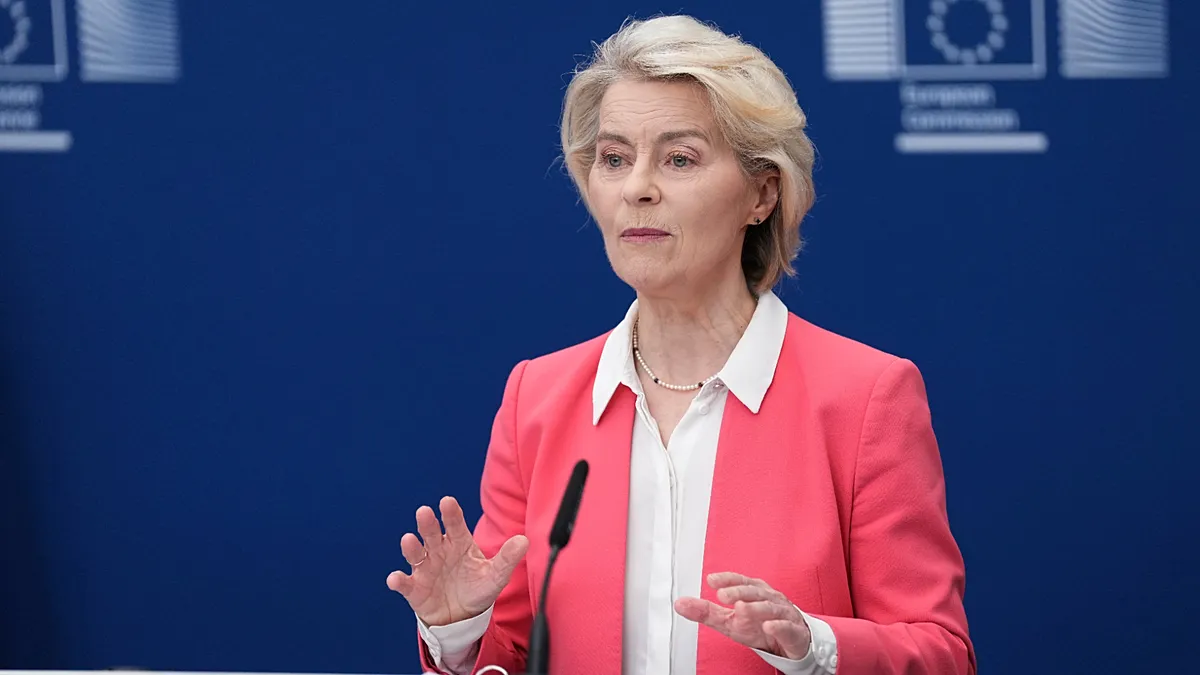
Usagevpn.com – The European Union has committed an additional €1.4 billion in financial assistance to Kyiv, drawing directly from the profits accumulated on Russian assets that were immobilized following Moscow’s full-scale invasion. European Commission President Ursula von der Leyen unveiled this funding package on social media platform X, positioning it as a crucial component in sustaining Ukraine’s military and economic resilience amid escalating Russian aggression.
The announcement came swiftly after devastating overnight strikes on the Ukrainian capital. Russian ballistic missiles and unmanned aerial vehicles targeted Kyiv, resulting in the deaths of at least seventeen civilians. These attacks represent a significant escalation in Moscow’s campaign against Ukrainian infrastructure and population centers over recent weeks. Von der Leyen expressed profound condemnation of what she described as “horrible atrocities” committed through Russia’s aerial bombardments.
“Once again we wake up to the news of horrible atrocities by Russia through its aerial attacks on Ukraine. Russia must pay for the destruction it has caused,” von der Leyen stated in her public message.
The financial mechanism behind this latest tranche of support traces back to 2022, when the European Union implemented comprehensive sanctions that froze Russian Central Bank holdings within its jurisdiction. While the principal assets remain locked in place, the interest and returns generated by these immobilized funds have been systematically redirected to aid Ukraine. The European Commission has calculated that these frozen assets have produced approximately €8 billion in cumulative windfall profits since the sanctions were first imposed.
Strategic Allocation of Financial Resources
Although the headline figure of €1.4 billion captures attention, the distribution of these funds reveals a nuanced approach to supporting Ukraine’s multifaceted needs. The vast majority of this tranche—representing 95 percent or €1.33 billion—will flow through the Ukraine Loan Cooperation Mechanism rather than serving as direct military assistance. This mechanism enables the EU to help Kyiv service existing loans that were extended under coordinated G7 and European Union initiatives.
This financial structure proves particularly significant given Ukraine’s broader economic challenges. By utilizing asset profits to manage debt obligations, Brussels ensures that Ukraine can maintain fiscal stability while continuing to receive essential military support. The remaining €70 million will be distributed through the European Peace Facility, an instrument specifically designed to finance defense-related expenditures for Ukrainian forces.
Von der Leyen emphasized that the €1.4 billion allocation would “support Ukraine’s continued resistance against Russia’s illegal war.”
Broader Implications for European Security
The decision to channel funds through loan cooperation mechanisms rather than direct military aid reflects a strategic calculation by European leaders. This approach allows the EU to strengthen Ukraine’s long-term economic foundations while simultaneously addressing immediate defense requirements. The European Peace Facility’s military assistance component complements this strategy by providing targeted support for weapons procurement and operational capabilities.
Russia’s intensification of attacks on civilian targets has underscored the urgency of sustained international support. The timing of von der Leyen’s announcement—just one day after the deadly Kyiv strikes—demonstrates the EU’s commitment to responding rapidly to emerging threats. By leveraging the €8 billion in accumulated profits, Brussels has created a sustainable funding stream that can continue to support Ukraine even as geopolitical dynamics evolve.
The frozen asset mechanism has proven particularly valuable as a financial tool. Rather than depleting existing EU budgets, the system generates new resources from assets that would otherwise remain idle. This innovation in international finance has positioned the EU as a leader in utilizing economic instruments to address security challenges. As Russia continues its military campaign, the steady flow of €1.4 billion in fresh funding provides Kyiv with critical resources to maintain its defensive posture and pursue its strategic objectives.
The combination of military assistance through the European Peace Facility and economic support through the loan cooperation mechanism creates a comprehensive framework for Ukrainian resilience. This dual approach addresses both immediate battlefield needs and longer-term economic sustainability, ensuring that Ukraine can withstand continued Russian pressure while building toward a stable future. The €1.4 billion tranche represents not merely a financial transfer, but a demonstration of European solidarity in the face of aggression.
Related Reading
Frequently Asked Questions
What is EU releases 1 4 Billion to Ukraine?
EU releases 1 4 Billion to Ukraine is the main topic of this guide. The article explains the context, practical details, and next steps readers should understand.
Why does EU releases 1 4 Billion to Ukraine matter?
EU releases 1 4 Billion to Ukraine matters because readers are looking for a useful answer, not just a short summary. Good content should match search intent and help them decide what to do next.