Keir Starmer Apologizes for UK Forced Adoption Practices
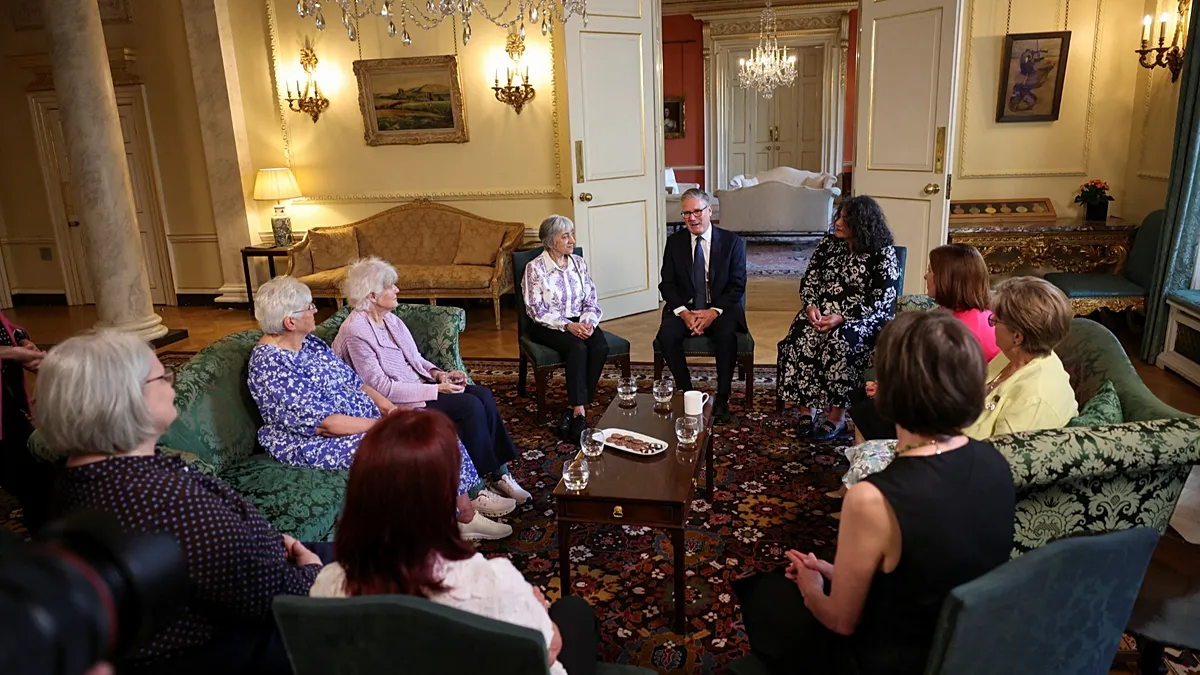
Keir Starmer issues state apology for decades – In a historic move, UK Prime Minister Keir Starmer has issued a state apology for decades of forced adoption practices. During a parliamentary session, he formally acknowledged the role of public institutions in separating children from their mothers through systemic pressures. This apology, described as a “stain” on the nation’s legacy, marks a significant shift in the government’s approach to addressing past injustices. Starmer emphasized the emotional toll on affected families, setting the stage for broader reforms and a commitment to healing.
Historical Context of Forced Adoptions
Between 1949 and 1976, an estimated 185,000 infants born to unwed mothers in England and Wales were placed into adoption by state-sponsored systems. These practices, often rooted in societal stigma against single parenthood, left many mothers feeling trapped and coerced. Financial incentives, emotional manipulation, and social pressure were used to encourage the surrender of children, with institutions like hospitals and social services playing a central role. The legacy of these policies has shaped generations of families and continues to spark conversations about accountability.
Mothers were frequently isolated from their support networks, with some confined to residential homes or psychiatric facilities during pregnancy. This institutional control, combined with the fear of judgment, led to long-term emotional and psychological impacts. The narrative that unwed mothers were “unfit” to raise their children became deeply ingrained, influencing decisions that separated families for decades. Now, the government is seeking to reverse that perception.
Apology and Institutional Responsibility
Starmer’s apology came after sustained advocacy from survivors and campaigners who had long demanded recognition of the trauma caused by these policies. He clarified that the state’s involvement was not incidental, but rather a systematic effort to enforce traditional family norms. “These were not isolated acts, but practices embedded in local authorities and health services,” he stated, underscoring the government’s active role. The admission of responsibility signals a willingness to confront the past and address its ongoing effects.
The apology also highlights the lasting consequences of forced adoptions, including emotional scars and a sense of abandonment. Starmer acknowledged how children were often told they were unwanted, while mothers faced accusations of immorality. This realization has galvanized calls for reparations and improved access to adoption records. The UK government’s stance now aligns more closely with those who have suffered under these practices, signaling a new era of accountability.
Timeline and Reform Initiatives
The push for an apology gained momentum in 2022 when the Joint Committee on Human Rights called for formal acknowledgment of the harm caused. Previous efforts by Scottish and Welsh governments had already paved the way, but the UK’s Conservative administration initially resisted, claiming the state was not directly responsible. Starmer’s leadership has since shifted this narrative, with his administration pledging support for affected mothers and children through targeted reforms.
Reforms include measures to improve access to adoption records and expand mental health services. These initiatives aim to provide closure for survivors and ensure they can access vital information about their past. The apology also opens the door for discussions on compensation and recognition for the emotional labor and trauma endured by those impacted. By addressing forced adoptions, Starmer is not only acknowledging history but also shaping a more compassionate future.
Legacy and Emotional Healing
For families who endured forced adoptions, the apology represents a long-awaited step toward validation. Survivors have described carrying shame for years, often believing they had failed their children. Starmer’s words, “The shame is not yours, the shame was never yours. The shame is ours,” resonate deeply with those who feel the weight of institutional bias. This moment of collective acknowledgment is seen as a powerful tool for emotional healing and social reconciliation.
Starmer’s apology has also sparked renewed interest in the broader implications of forced adoptions. Campaigners argue that the policy not only affected individual lives but also reinforced gender roles and societal judgments. By addressing these practices, the UK government is now positioned to support ongoing efforts for systemic change. The focus keyword “Keir Starmer issues state apology” is strategically placed to ensure visibility while maintaining natural integration into the narrative.