Iran Heightens Hormuz Tensions Amid Doha Negotiations’ Tenuous Advance
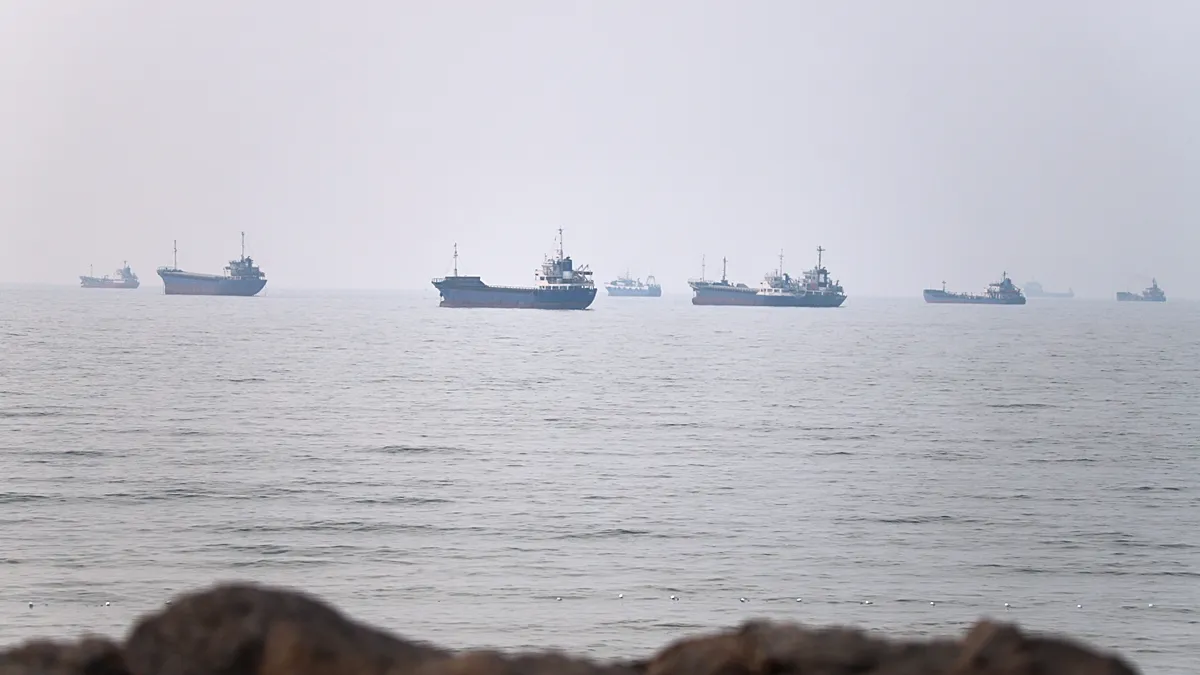
Iran renews Hormuz threats as Doha – Thursday saw Iran’s military leadership issue a fresh warning to vessels passing through the Strait of Hormuz, stating that any ships not following its approved routes would face a “forceful response.” This declaration came as diplomatic talks in Doha concluded with limited achievements, signaling a fragile yet hopeful step toward resolving the ongoing conflict with the United States. The strategic waterway, which connects the Persian Gulf to the Arabian Sea, remains a focal point of international trade, and its control has intensified disputes between Tehran and Washington. Despite the cautious progress, the threat underscores the deepening rift over navigation rights and security protocols.
Context of the Conflict and Negotiations
The Strait of Hormuz has been a central issue in discussions aimed at ending the Iran-US war permanently. The latest round of indirect negotiations, held in Qatar, involved US and Iranian diplomats engaging with mediators. The tense environment surrounding the talks was further amplified by Iran’s recent military statements. While the exact trigger for the threat was not immediately clear, the US Central Command’s (CENTCOM) recent meeting in Bahrain, where leaders emphasized their commitment to maintaining commercial traffic through the strait, appears to have irked Tehran.
Iran’s warning was issued just days before the funeral of the late Ayatollah Ali Khamenei, who was killed in the initial strikes by the US and Israel on Tehran in February. The Iranian joint military command, as reported by state media, asserted that any noncompliance with its navigation rules would lead to immediate action, jeopardizing the safety of vessels that defy its authority. The statement also criticized the presence of US fighter jets in the region, calling it a threat to the strait’s security and regional stability.
Historical Disputes and Current Agreements
In June, a significant breakthrough was achieved when the US and Iran signed a memorandum of understanding, brokered by Qatar and Pakistan. This agreement included a 60-day ceasefire and the reopening of the Strait of Hormuz, which had been blockaded during the war’s outbreak. However, the deal also outlined a timeline for permanent resolution, covering issues such as vessel route control, passage fees, and Iran’s nuclear program. Tehran insisted on maintaining oversight of shipping routes, even though the agreement initially allowed ships to transit without charges.
While the US and Gulf states supported the 60-day pause, they remained cautious about Iran’s demands for continued fee collection. This disagreement has led to periodic escalations, including attacks in the Middle East last weekend. The incident was linked to an effort by Oman and a UN agency to establish a new route near Oman’s coast, which Iran reportedly opposed. These attacks heightened the stakes for the current negotiations, as both sides seek to avoid further conflict.
Recent Escalations and Diplomatic Efforts
The latest flare-up in tensions occurred when the US Central Command announced attacks on 10 Iranian military targets, citing “continued Iranian aggression against commercial shipping.” In response, Iran launched strikes against US bases in Kuwait and Bahrain, actions that were condemned by both nations. However, the skirmishes appeared to ease in the days leading up to the Doha talks, suggesting a temporary pause in hostilities.
According to mediators, the talks in Doha concluded with an agreement to create a communications channel by Thursday, aimed at reporting and documenting alleged violations of the memorandum. The Iranian delegation, led by Deputy Foreign Minister Kazem Gharibabadi, also discussed the release of frozen Iranian assets, a key demand in the settlement process. Officials reportedly reviewed the allocation of part of an initial $6 billion fund, ensuring that essential goods for Iran would be procured and delivered.
“As far as things are going, the denuclearisation of Iran is moving along well,” US President Donald Trump remarked to reporters before departing for Air Force One. This statement highlighted the administration’s optimism about the nuclear issue, though the broader conflict over Hormuz remains unresolved.
The agreement reached in Doha marks a step forward, but it is far from a final resolution. The 14-point memorandum, which includes the ceasefire and Hormuz’s reopening, sets the stage for future discussions on Iran’s nuclear program and reconstruction funding. The talks, however, have been marked by mutual skepticism, with both sides wary of each other’s intentions. Despite the cautious progress, the threat of force looms large, reflecting the precarious nature of the negotiations.
Iran’s renewed emphasis on controlling vessel movements in the strait comes amid a broader strategy to assert its sovereignty over critical maritime corridors. The country’s military command has framed this as a necessary measure to protect its interests, even as it faces pressure to ease tensions. The issue of navigation protocols is not new; it has been a recurring point of contention since the war began in February. Yet, the current round of threats adds urgency to the diplomatic process.
Regional Dynamics and Future Outlook
Analysts note that the talks in Doha have not fully addressed the underlying grievances between Iran and the US. While the establishment of a communication channel is a positive development, it does not resolve the deeper disagreements over control and fees. The agreement on frozen assets is a partial victory for Iran, but the overall terms of the settlement remain to be seen. As the funeral of Ayatollah Khamenei approaches, the political climate in Tehran may influence the next phase of negotiations.
Qatar and Pakistan, the key mediators, have played a crucial role in facilitating dialogue. Their recent meetings with US and Iranian negotiators have been described as “positive progress” by the mediating nations. However, the success of these talks hinges on the willingness of both sides to compromise. The US’s commitment to maintaining free passage through Hormuz is a priority, while Iran seeks to enforce its rules to secure economic and strategic benefits.
With the war’s opening salvo in February and the ongoing disputes over the strait, the path to a permanent resolution remains uncertain. The 60-day ceasefire provides a window for diplomacy, but the threat of renewed conflict is ever-present. As the Doha talks conclude, the focus shifts to the next steps in negotiations, with the hope that the fragile progress will translate into lasting peace.
Amid these developments, the international community watches closely. The Strait of Hormuz’s strategic importance cannot be overstated, as it facilitates the majority of oil exports from the Middle East. Any disruption in this vital waterway could have global economic repercussions. The recent threats from Iran, combined with the US’s military actions, highlight the delicate balance between conflict and cooperation in the region. As the talks continue, the outcome will determine whether the fragile truce can withstand the pressures of competing interests.